




Creating products and solutions that are good for the wearer, the planet, and our business.
MAS is an apparel manufacturer putting sustainability at the heart of our business. Through Our Plan for Change we are on a mission to drive 50% of apparel revenue from sustainable products by 2025. We believe that sustainable products are those that are good for the wearer, good for the planet and good for our business. To achieve this ambitious goal, we partner with prominent brands and innovative enterprises that are at the forefront of sustainable fashion. Together, we are pioneering solutions that are revolutionising the way our industry operates.

As a leader in sustainable manufacturing, we recognise the importance of adopting a clear definition for sustainable products that is driving the industry forward, and aligned with the needs of our stakeholders, including customers and consumers.
In an industry where the definition of sustainable products and the boundaries of technology and innovation are constantly evolving; we have set objectively verifiable criteria to define sustainable products, set ambitious targets, and transparently measure our progress. The criteria are closely monitored, on a monthly basis by the central team, and cascaded to all product design and merchandising teams at divisional level. Furthermore, we continually review, refresh, and update these criteria to reflect the latest advancements and industry trends – new MAS defines sustainable products through a detailed criteria based on the 4 categories outlined on the right
MAS defines sustainable product based on a detailed criteria designed to push the boundary & drive sustainability across the Company.




Building on our commitment to sustainability, we established stringent criteria for 2023 with new standards to be implemented in 2024, considering areas such as regenerative cotton that are emerging as the next frontier in sustainable cotton production – regenerative cotton is set to positively benefit farmers, and most importantly the soil health. Criteria specifying utilisation of synthetics from recycled ocean plastic was removed, as we updated the scale to reflect evolution and discontinuation of different solutions. In light of the prevalence of recycled synthetic content in the industry, we assigned staggered tiers that better represent overall sustainability of the product and technological readiness of solutions.
A detailed breakdown of the MAS Sustainable Product Criteria is available below:
RATING CONVENTION
Silver and Gold are only considered for the KPI but Bronze will continue to be tracked.
COTTON
NATURAL MATERIAL ALTERNATIVES
SYNTHETICS
RECYCLED/NATURAL ALTERNATIVES
WOOLS
BIODEGRADABLE
BIO-BASED
RAW MATERIAL SOURCING
ENGINEERED KNIT
DESIGN FOR LONG LIFE
*Does not include bactericidal finishes/yarns*
COMPOSTABLE PACKAGING
RECYCLED PACKAGING
PAPER-BASED
DESIGN FOR REUSE
DYEING AND FINISHING
POST-CONSUMER WASTE
DESIGN FOR POST-CONSUMER
PRE-CONSUMER
SOCIAL WELL-BEING
EMPOWERMENT
Our sustainable product commitments reflect MAS’ scale and capacity. With a revenue-based target to guide us, we are working to ensure business growth is directly linked to, and does not mitigate any advances in, the sustainable product space. Our three areas of focus, all contribute to achieving this overarching target.
Innovate and Disrupt
Innovating the way products are made so they can last longer, be good for the wearer, use less resources, and be recycled after use.
Source Sustainably
Partnering across the supply chain to responsibly source and develop organic, regenerative, natural, and recycled raw materials.
Post-Consumer & Pre-Consumer Waste
Closing the loop by using post-consumer waste to make new products.
The consumer focus on sustainable fashion is greater than ever, as people are increasingly aware and concerned about what clothing is made of and how it is manufactured. At the same time, the global scale and reach of fashion necessitates a rethinking of how the industry can answer the climate challenge, protect and preserve natural resources, and contribute to building a stronger society.
Our customers represent some of the world’s leading brands responding to the challenge and looking towards sustainable alternatives to transform the world of fashion.
Since the launch of Our Plan for Change in 2020, MAS has made tremendous progress. For the past three years, our teams have been diligently building capabilities, processes, and optimal partnerships to deliver on our 2025 goal.
We track our progress through annual goals and interim targets. In 2023, we aimed to generate 32% of revenue from sustainable products, but surpassed this mark, achieving 34%. This progressive climb was driven primarily by the use of sustainable raw materials, followed by strong social indicators, manufacturing processes, and finally, innovative design and merchandising.
Our results not only reflect the impact of MAS’ dedication to sustainability but also highlight the commitment of our brands in offering more sustainable options to their customers.
Several factors give us confidence in achieving our 2025 goal and pursuing targets beyond. We continue to increase awareness and knowledge of sustainable products across our enterprise; from product design teams to customer-facing units, merchants, and partners. Our innovation and product sustainability teams are consistently pursuing new and improved solutions. Actions in 2023 focused on the cotton, polyester, and nylon spaces.
Polyester: After extensive evaluation and collaboration with a number of partners, we are looking at working with Ambercycle, which is a Los Angeles-based start-up with a presence in the United States and Asia. We are currently finalising technical validation and onboarding the rest of our supply chain to pave the way for signing agreements in the coming year.
Cotton: We are exploring partnerships that offer promising technologies to enable high-quality cotton waste recycling.
Nylon: We are actively engaged in discussions and technical validations with potential partners.
Additionally, we are improving transparency across the supply chain with more suppliers, partners, and brands committing to sustainability goals and targets. To stay ahead of the curve in a rapidly evolving industry, we are listening to the voice of our stakeholders: partners, regulators, customers, and consumers who are at the heart of growing demand for sustainable apparel.
However our journey to create sustainable products is not without challenges. Climate change, extreme weather events, political instability, and economic uncertainty are potent global forces that introduce volatility into our supply chain. Lead times for change are daunting and technologies required for new sustainable models are still evolving; demanding significant investment, planning, and foresight. While competition in the sustainability space intensifies, navigating changing regulations and cultural considerations adds further complexity and cost. Ultimately, the pressure to meet evolving consumer preferences while remaining cost-competitive requires constant scaling, adaptation, and rethinking of current supply chain economics.
Innovating the way products are made so they can last longer, be good for the wearer, use less resources, and be recycled after use.

From sourcing, to design, merchandising, and manufacturing; innovations enable MAS to deliver on commitments to develop sustainable products and contribute to a circular economy.
This year has been a significant one for MAS in the arena of sustainable products. We have made groundbreaking achievements, including the first-ever investment in our region into HeiQ AeoniQ, a new-age yarn that presents a revolutionary solution – non-valourised feedstock ranging from wood pulp to recycled cotton to algae and other natural renewable waste sources. Additionally, The Infini Project is working towards the scaling and further commercialisation of an innovative engineered material bra cup. In the area of manufacturing innovation, the Planetones initiative is a pioneering natural dyeing solution for fabrics. During the year, our home-grown solution to adaptive design, craft, and finishing, LABLE, also supported Sri Lanka’s national Paralympics team with a range of adaptive wear solutions.
MAS HEIQ: INVESTING IN A NEW INNOVATIVE CIRCULAR CELLULOSIC YARN
 The Challenge: Today, the apparel industry relies heavily on synthetic materials like polyester, polyamide (nylon), acrylic, and elastane. They account for approximately 64% of global textiles – with around 61 million tons produced annually, and the number expected to more than double by 2030. Derived from fossil fuels, they are virtually non-recyclable, take between 350 to 1,000 years to degrade in nature, and shed microfibres during their life cycle contributing to 35% of microplastics found in our oceans today.
 A Potential Solution: Switzerland
based materials innovator, HeiQ, developed AeoniQ™ – a climate-positive cellulosic yarn. HeiQ’s proprietary manufacturing process utilises a wide range of non-valourised feedstock
(such as algae, sugar cane, straw, hemp, nutshells, cigarette butts, and even coffee grounds). It delivers a yarn
with performance characteristics
similar to polyester, with potential for reduced chemical use in processing
and dyeing, and biodegradability in around 12 weeks.
A Potential Solution: Switzerland
based materials innovator, HeiQ, developed AeoniQ™ – a climate-positive cellulosic yarn. HeiQ’s proprietary manufacturing process utilises a wide range of non-valourised feedstock
(such as algae, sugar cane, straw, hemp, nutshells, cigarette butts, and even coffee grounds). It delivers a yarn
with performance characteristics
similar to polyester, with potential for reduced chemical use in processing
and dyeing, and biodegradability in around 12 weeks.
 Roadmap for Scale: Our pursuit of new materials of the future, which are sustainably sourced and technically
able to perform like synthetics, led to MAS investing in AeoniQ, in 2023. We have also committed to purchasing around 23,000 tons of the yarn during
a 5-year offtake period.
Roadmap for Scale: Our pursuit of new materials of the future, which are sustainably sourced and technically
able to perform like synthetics, led to MAS investing in AeoniQ, in 2023. We have also committed to purchasing around 23,000 tons of the yarn during
a 5-year offtake period.
As the first manufacturer to partner with HeiQ AeoniQ, our commitment valued at over USD 100 Mn. provides crucial backing to scale production and commercialise this revolutionary new material.
The Big Picture: MAS’s investment in AeoniQ is a bold move, and one that is sustainability-led. Brands are planning their product evolution for the next 5-10 years, and setting ambitious sustainability goals, as the industry comes under increased scrutiny for its environmental impact. In this climate, AeoniQ has immense potential for impact reduction. By locking down volumes, we can confidently approach giant global brands, support their emissions targets, and collaborate for greater sustainability in the apparel industry.
PLANETONES: NATURE’S SOLUTIONS FOR THE ENVIRONMENT
The Challenge: The apparel industry has a significant environmental footprint, with traditional dyeing and treatment processes contributing heavily to water consumption and wastewater generation. Estimates indicate this currently makes up around 20% of wastewater worldwide. Chemicals related to the dyeing process; predominantly fossil fuel based synthetic dyes that make up more than 90% of usage in the industry, present additional environmental challenges
to control. Synthetic dyes are highly stable by design, which results in very low biodegradability, thereby necessitating energy and emission-intensive dye wastewater treatment.
The Innovation: Noyon Lanka, a leading lace manufacturer and MAS subsidiary, introduced Planetones –
a revolutionary natural dye solution
that presents a truly viable alternative
to synthetic dyes; boasting vibrant colours, high colour repeatability
and fastness, and versatility for application on a variety of materials.
When introduced in 2022, this breakthrough technology was the first in the world to be certified with an Eco Dye Standard by the Control Union. In addition, it promised to reduce water usage by an estimated 30%, and energy consumption by 15%. Today, having unlocked Planetones for synthetics, we are developing solutions for cellulosic fabrics and pioneering innovations for low water dyeing.
Collaboration for Scale: Noyon
Lanka is working toward the idea of
the world’s first entirely naturally
dyed garment, at workable commercial
scale and cost. While Planetones uses Noyon’s proprietary technology, they
are collaborating with industry leaders in MAS’ supply chain to also offer elastics, accessories, and fabric with certified eco dye. By revisiting nature’s own solutions, and re-engineering production to be more sustainable, this high-performing natural dye solution holds immense potential for brands and consumers looking to reduce their environmental footprint.

LABLE BY MAS: INCLUSIVITY THROUGH COLLABORATION & INNOVATION
The Challenge: Over a billion people with disabilities around the globe, face daily challenges with something considered fundamental: clothing.
The act of wearing everyday clothing is difficult. Having to rely on assistance, or lacking appropriate options altogether, they encounter challenges that impact their independence, confidence, and ability to participate fully in daily activities.
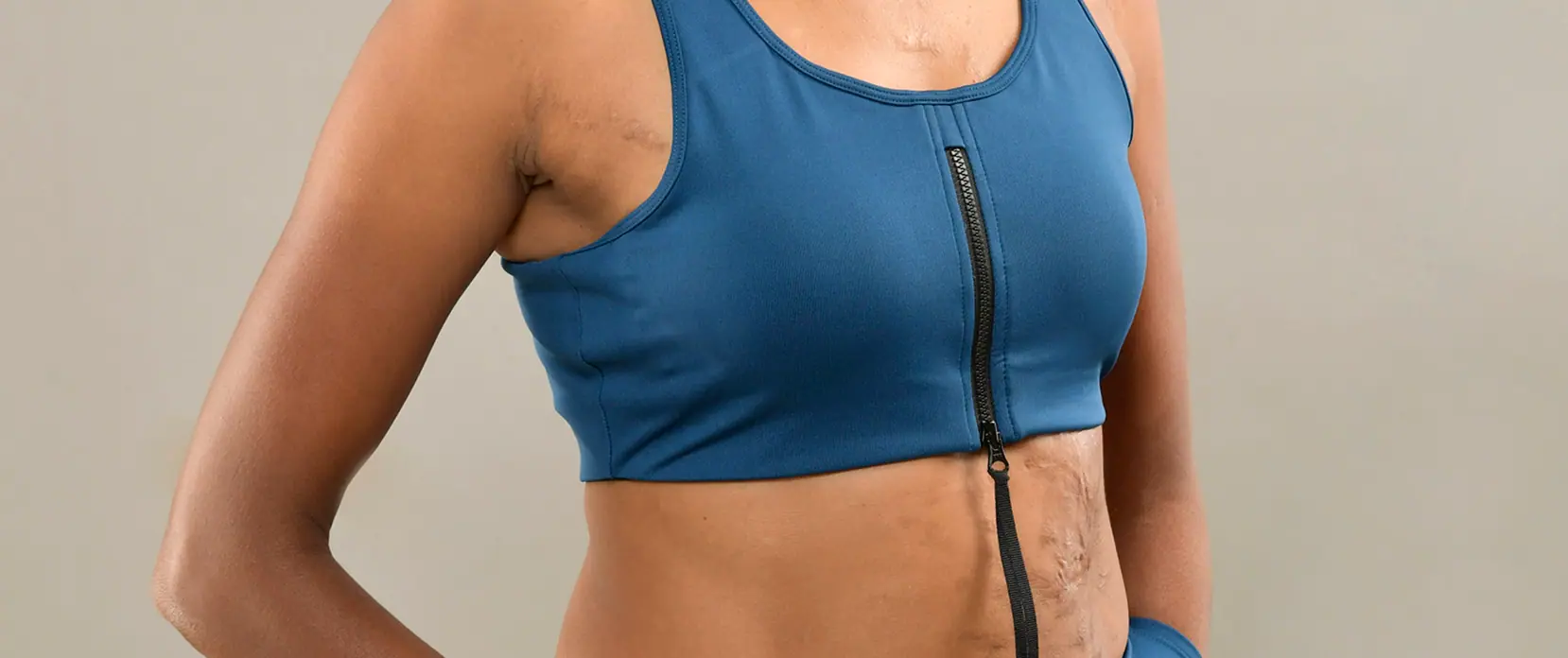
Vision for Adaptive Clothing: Our answer, a dedicated brand – Lable (easy on-off), focused on essential categories of clothing where people with disabilities often lack appropriate options. Building on years of work in this space, we built out an Adaptive Centre of Excellence (CoE) and formally launched Lable in 2022; developing products and solutions for essential categories like intimates, activewear, and swimwear. Lable incorporates universal design principles, specialised garment construction, and strategic fastener placements. The extensive MAS ecosystem allowed us to create adaptive clothing from concept to store, at commercial scale; offering a comprehensive solution for brands looking to explore clothing that is inclusive and accessible.
From extensive research behind the scenes, to partnerships with para-athletes, extensive wearer-testing, and active engagement with advocates and the disability community; our vision for adaptive clothing is collaborative and innovation-driven.
Co-creating the Future: While adaptive clothing has enormous commercial potential, MAS is also working towards a larger vision for the segment: celebrating the ability of clothing to make a transformative impact in the lives of people with disabilities. Our solutions are user-centred and functional; co-created
with the disability community to ensure products meet real-world needs.
Worn and tested by a select group of persons with disabilities employed at MAS, consumers in our target markets, and the Sri Lankan Paralympic Team; Lable is tuned to meet both every-day requirements and the rigorous demands of peak-performance.
In 2023, we built on MAS’ long-standing partnership with Sri Lanka National Paralympic Committee (NPC) to felicitate the achievements of Sri Lanka’s Paralympians and roll out a range of innovative adaptive sportswear: addressing needs like wider leg openings for athletes with leg braces, special designs for wheelchair tennis athletes, and personalisation required to accommodate variation in leg sizes due to muscle atrophy.
INFINI: CIRCULARITY THROUGH MONO-MATERIALS
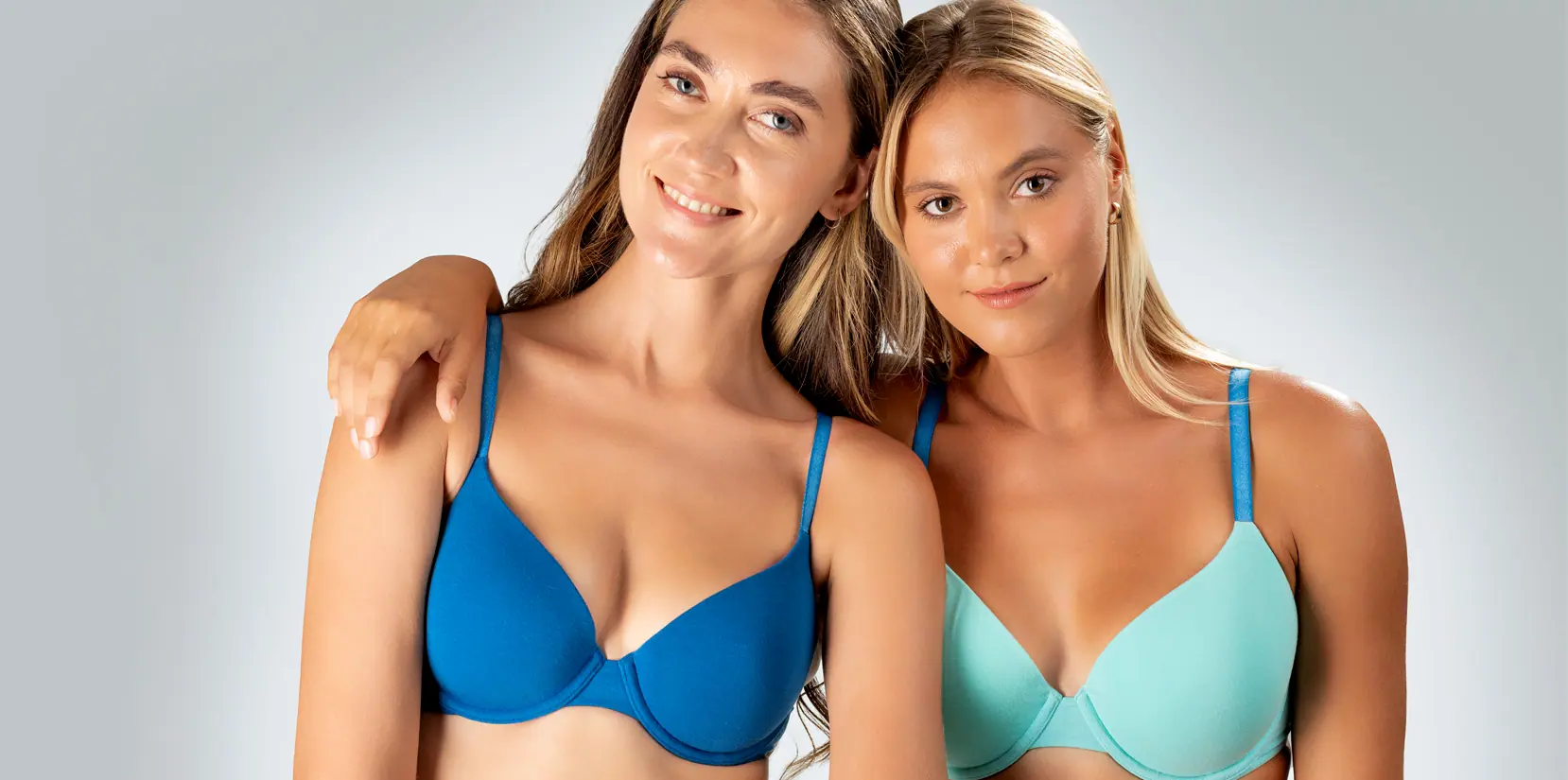
The Challenge: Traditional padded bras often rely on polyurethane (PU) foam cups. While offering comfort and shape, PU takes years to degrade and can release toxic substances if burned, creating a significant waste problem.
Our Solution: MAS’ Project Infini utilises a knitted mono-material composite that replicates the functionality of PU cups while being fully recyclable. The project brought together several MAS teams: Twinery, Silueta, MAS Matrix, MAS Intimates, and MAS Ayathi, in a collaborative effort to develop the world’s first recyclable bra cup. A breakthrough innovation that has the potential to disrupt the padded bra market.
The Future: Infini began a foray into the intimate-wear market with the first commercial delivery to a key customer in February 2023. Continued cross-functional and cross-divisional collaboration by MAS teams and further partnerships with the intention of scaling Infini, have the potential to drive widespread adoption and create a significant positive impact on the environment.
Partnering across the supply chain to responsibly source and develop organic, natural, and recycled raw materials.
We recognise that sustainable sourcing is a crucial element that enables us to deliver on our promise of Products Changed for Good. As consumers and brands increasingly prioritise sustainability, circularity, functionality, adaptability, and traceability; we take up the challenge of exploring new solutions and alternatives by expanding our reach and empowering our suppliers across the textile and apparel value-chain. This ongoing effort has translated into the expansion of sustainable, recycled, and Environmentally Preferred Materials (EPM) across our product lines; including organic and regenerative cotton, recycled polyester, and eco-friendly dyes.
While MAS vertical integration enables some sourcing from subsidiaries and internal operations, the largest share of RM spend relates to materials sourced from external suppliers. The majority of fabric and lace are obtained from external suppliers, as are almost all our packaging and labelling materials associated with upstream delivery. Chemicals and dyes that are a vital component of the production process are also sourced externally.
These primary input materials, production chemicals, and packaging elements are fundamental to our sustainable offering; contributing to the criticality of sourcing practices, supplier management, and compliance across the supply chain. This necessitates our constant engage and diligent monitoring of an extensive supply chain spread throughout the globe. The section on our supply chain commitment details our efforts to manage, empower, and ensure compliance amongst our supplier network.
Continuous collaboration with customers, coordination with suppliers, and partnership with innovative raw material producers has enabled MAS to continually increase the share of renewable materials in production processes.

MAS utilises the Textile Exchange’s Materials Terminology Guide to define Priority Raw Materials (PRM) that make up a significant share of the raw materials in our products. Sustainable sourcing of some of these raw materials, such as cotton, also pose material risks to our business and the value chain through their potential impact on ecosystems and communities. In order to sustainably manage such impacts and business risks, we have management strategies in place for each PRM.
| Priority raw material | Environmental or social factors | Business risks or opportunities | Management strategy |
| Cotton/ Cellulosic materials | Climate change, water usage, land use, land degradation, material sourcing from places of conflict | Impact to the availability of cotton, volatility in pricing | Source regenerative cotton, switch to more sustainable and traceable cotton, purchase man-made cellulosic fibres (MMCF) from closed-loop sources, source natural materials with traceability and certification |
| Synthetic materials | Climate change, emissions, and environmental impact of non-renewable fossil fuels, potential for micro-plastic pollution | Change in the product mix and orders from customer due to change in customer demands Increase use of sustainable natural materials Changes in regulations with regard to the fossil fuel industry and with regard to synthetics due to micro-plastics Higher prices of synthetics, which are now some of the lowest cost fibres for textile manufacture | Invest in materials of the future, seek out natural alternatives to synthetics, explore partnerships to access to recycled synthetics |
The apparel industry is seeing a shift away from traditional and non-renewable materials; towards responsibly sourced, renewable, recycled, or sustainable materials that minimise negative social and environmental impacts. At MAS, we recognise this urgency and are working with our stakeholders to embrace sustainable materials throughout our operations.
Based on the MAS product sustainability criteria, recycled input materials constituted slightly more than 25% of our primary products in 2023. Reliable third-party certification of sourced raw materials is part of our compliance efforts, and integral to pursuing our goal of producing sustainable products.
Initiatives during 2023, such as our collaboration with Renewcell and joining the CIRCULOSE Supplier Network (CSN), are part of MAS’ efforts to ensure a consistent supply of sustainable raw materials and scale our delivery of sustainable products. We are also actively exploring alternatives to traditional synthetics, with one approach involving plant-based polyesters that enable apparels to move beyond recycled polyethylene terephthalate (PET) and away from fossil-fuel based sources to explore renewable resources like wood pulp.
Consumers and regulators alike are demanding accountability and traceability from the fashion industry, with greater emphasis placed on identifying and mitigating the environmental and social impact of apparels. In the face of increased scrutiny, independently verifiable certifications and accreditations for sustainable materials play a crucial role in building trust and upholding the transparency of sustainability efforts.
MAS has systems and networks in place to offer products and solutions that adhere to globally accepted sustainability and traceability standards, based on brand requirements. These certifications are widely used across the industry, address environmental and social factors, and employ stringent thresholds for traceability.




| Priority raw material (Name) | Share of input RM purchased (%) | Amount certified, by standard | |
| Certification/Standard | Amount certified (%) | ||
| Cotton | 49% |
|
Significant portion of purchased raw materials are certified. A variety of standards are utilised in order to meet customer and product-specific requirements. |
| Polyester | 31% |
|
Significant portion of purchased raw- materials are certified |
| Nylon | 20% |
|
|
In a competitive industry, certifications and sustainability standards have grown to become a business necessity for retailers, apparel manufacturers, and raw material processors and producers alike.
Our efforts to source certified raw materials contribute to management and mitigation of business risks. Since certified materials often come with assurances of quality, safety, and compliance with environmental and social standards, ensuring certification can mitigate risks associated with potentially negative environmental or social impacts. It also supports compliance with regulatory requirements and reputation management by mitigating non-compliance risk, reputational risk, and related fines and legal disputes.
Certifications often involve traceability and transparency mechanisms that allow MAS to track the origin and journey of materials throughout the supply chain. This transparency helps identify and address any issues or risks related to raw material sourcing, such as environmental degradation, deforestation, or human rights violations.
Our sustainable products and solutions utilising certified raw materials serve as a differentiator: setting MAS products apart and creating access to new markets and customers that prioritise sustainability.
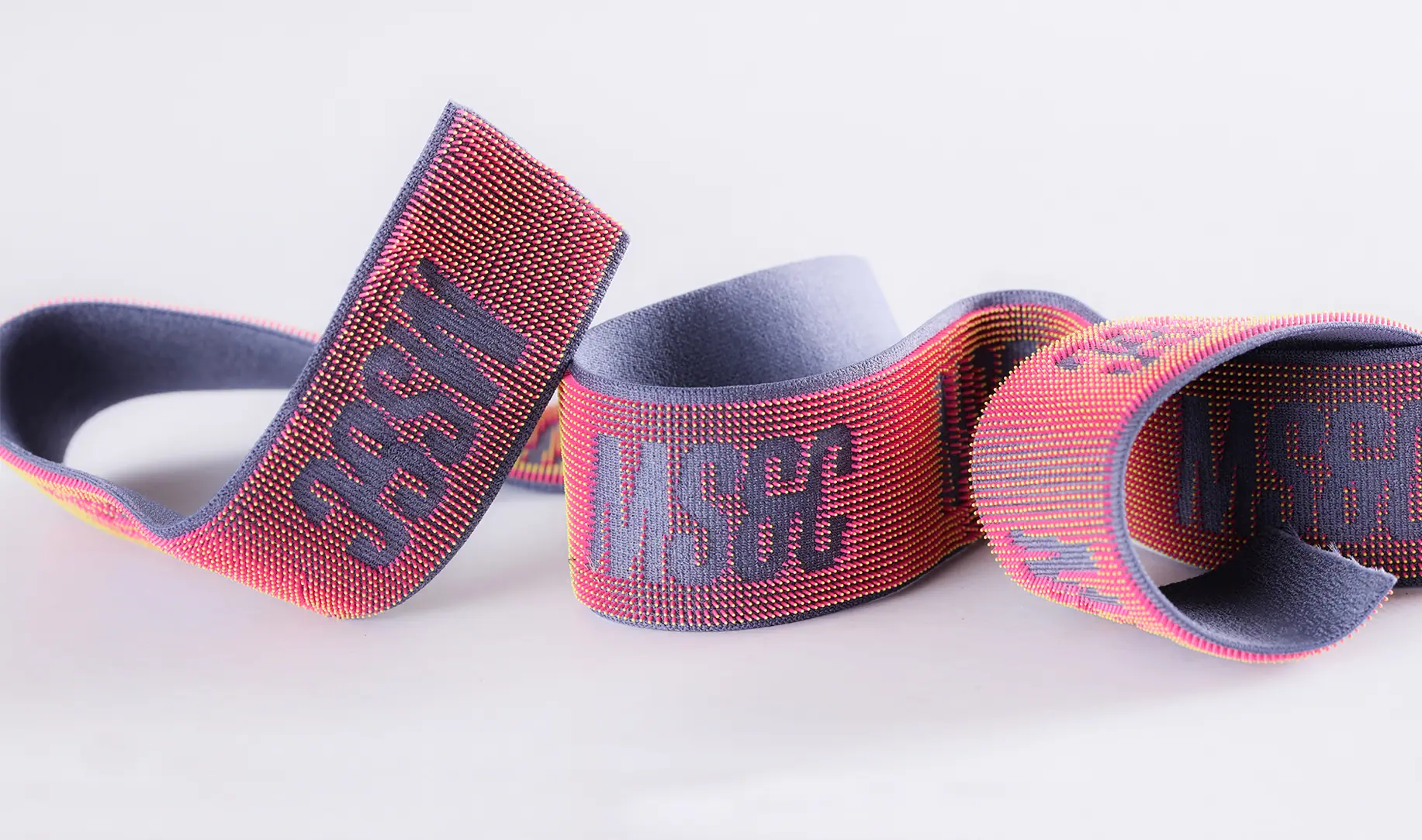
With an extensive supply chain spread across the globe, we depend on a large number of suppliers to deliver on our overall sustainable product strategy. Supplier best practices also plays a vital role in achieving environmental and social objectives for manufacturers and retailers alike.
At the same time, regulators and consumers are pushing for increased accountability, transparency, and traceability; leading to greater scrutiny on the supply chain. Environmental compliance and efficiency improvements across the apparel supply chain can result in significant reduction in waste generation, chemical discharge, energy use, and emissions. We believe that developing a sustainable and ethical supply chain is a robust and viable way to drive adoption of sustainable products.
MAS is committed to building a strong and transparent supply chain that prioritises sustainability. We actively engage with our suppliers to pursue sourcing of sustainable raw materials; ensure environmental compliance, including the phasing out hazardous chemicals and restricted substances; encourage energy efficiency and emissions reduction; and promote social compliance and ethical business practices. Our commitment to empowering the textile and apparel supply chain continues to deliver positive outcomes for individuals, communities, and the planet, while minimising the risk of negative impacts.
Including human rights and trade compliance
Including anti-bribery, anti-corruption, and fair competition
Including data protection and product safety
Including environmental protection and performance
Including labour practices and health and safety standards
The MAS Vendor Code of Conduct (VCC) serves as a binding agreement between MAS and its suppliers, going hand in hand with a supplier agreement. All onboarded suppliers are required to sign and agree to comply with the Code.
Beyond requiring suppliers to comply with all applicable national laws and regulations, the Code outlines a number of requirements, standards, and best practices, and sets
out a guideline for greater transparency
and traceability across the supply chain.
These standards guide engagement between
MAS and suppliers, and the interactions
of suppliers with their own stakeholders.
 Our complete Vendor Code of Conduct
is available.
Our complete Vendor Code of Conduct
is available.
We are making progress in mapping networks and partners to promote circularity, and are extending our engagement beyond immediate (Tier 1 suppliers) to include Tier 2 and Tier 3 suppliers.
Meeting traceability and transparency requirements, we exercise due diligence in screening and onboarding new suppliers, while continuing to monitor and empower existing suppliers through a variety of assessments, audits, and other activities. Vendor onboarding includes standard Mill Evaluation visits and signing of MAS’ Vendor Code of Conduct.

During the year 2023, we onboarded a number of new Raw Material (RM) suppliers and service suppliers. The top 80% of new MAS vendors by spend had signed our Vendor Code of Conduct, by the end of the year.
While selection, onboarding, and allocation of suppliers is closely tied to the needs and standards of customers and particulars of specific products, we employ a comprehensive sourcing and procurement strategy that ensures fair, equitable, and sustainable supply chain management. The strategy prioritises the needs of our business and customers, aligns with our growth strategies, provides suppliers with essential and streamlined management support, and delivers outstanding value to cultivate a best-in-class supplier base. Digitalisation is a key tool in our arsenal for increased efficiency, integration, and data analysis that supports decision-making.
Our operations in 15 countries interact with a robust and rapidly expanding supplier ecosystem, which requires diligent management to ensure procurement competitiveness, security of supply, and sourcing agility; all while upholding the highest environmental, social, and ethical standards. This is achieved through proactive supplier relationship management complemented by ironclad due diligence, continuous assessment, and stringent controls.
MAS’ supplier management strategy and cascaded sectoral action-plans provide a clear roadmap for our teams to follow. The strategy prioritises strategic sourcing, aligns with national imperatives, and emphasises proximity sourcing to foster strong local relationships. This commitment to local suppliers has yielded multiple benefits, including increased operational efficiency, stronger relationships, and positive impact on local communities, industries, and value chains.
Through continuous engagement with our supply chain and improvements to transparency and traceability, MAS offers customers a wide range of ethically sourced, sustainable, certified and verified products. These include organic or regenerative cotton, recycled cotton, recycled synthetics, and man-made cellulosic fibres (MMCF). We retain our focus on collaborating with suppliers to source or develop new products and sustainable alternatives to traditional materials. The following section on efforts to Pioneer Circularity at Scale details metrics pertaining to raw materials used.
The landscape of sustainable raw materials has several potential solutions but many remain in early development stages, which limits their application to capsule collections. To truly make an impact, we need to transform our core programmes. However, bringing the use of these raw materials to a commercial scale is a long-term effort that can take multiple years.
Other factors such as premium pricing and price fluctuations can affect consistency in supply. Ethical considerations like respecting indigenous rights and cultural heritage also growing in prominence when ensuring responsible sourcing practices. The severity of climate change, sociopolitical instability on a global scale, and developments in the regulatory regime have necessitated building resilient strategies that are adaptable to potential disruptions in agricultural practices, production, and raw material availability.
From a market perspective, while consumer interest in sustainable apparel is growing, there is still a gap between aspiration and action. Limited awareness or misconceptions about sustainability can hinder widespread adoption, making companies hesitant to invest heavily in sustainable sourcing efforts.
Transparency and traceability are expected to become critical factors in the coming years, driven by emerging regulations and legislation. Recognising this trend, we are proactively implementing and improving transparency and traceability measures across the apparel value chain. Active collaboration with industry partners to improve compliance and adoption of certification are increasing upstream supply chain visibility while broadening the base of sustainable raw materials available to our customers.


Going beyond initial due diligence and screening of suppliers, we engage with suppliers across the value chain to enhance their commitment to ethical business practices. These include anti-bribery and anti-corruption practices, non-solicitation, and other standards for business dealings that align with our procurement practices.
Our commitment to sourcing sustainably and empowering the apparel sector involves a multipronged approach to manage environmental impacts across the supply chain.
MAS sets stringent requirements including minimum standards and controls in line with national regulations, customer requirements, and industry best practices.
We utilise the Higg Facility Environmental Module (FEM) tool from the Sustainable Apparel Coalition (now Cascale) to assess environmental management standards, ensure national and industry regulations are met, and facilities are in compliance with industry standards. Suppliers representing 75% of our RM spend-base adopted the Higg FEM platform and carried out self-assessments during the year, with the majority verified by independent third-parties and on-site assessments.
For chemical management, we ensure suppliers comply with Zero Discharge of Hazardous Chemicals (ZDHC) standards and guidelines. Assessments and inventory checks through the ZDHC gateway ensure ongoing compliance of suppliers.
100% of our subcontracting wet operations are compliant with local discharge regulations and the ZDHC Wastewater Guidelines (WWG) through annual testing. Extending our efforts to Tier 2 suppliers supplying wet raw materials, we monitored vendors comprising the top 80% of our spend-base and in terms of wet operations we screened 43% of our spend-base who had generated ClearStream reports through the ZDHC Gateway. Our Planet Changed for Good – Responsible Chemical Use presents further information on supplier compliance with ZDHC guidelines.
Going a step further, we work with our suppliers to improve their environmental performance – through energy efficiency, emissions reduction, and other improvements that benefit suppliers and the environment.
Taking the lead in driving climate ambitions, our commitment to the Science-Based Targets initiative (SBTi), and the ambitious target of reducing emissions by 25% by 2025 serves as a catalyst for climate response across the supply chain. We work with our key suppliers to adopt SBTi and establish clear and measurable targets for emissions reduction. These efforts are in line with our commitment to ensure 85% of our suppliers by spend and 100% of joint ventures in Scope 3 investments will have science-based targets by 2025.
In 2023, suppliers comprising 50% of our RM spend-base have made SBTi commitments for absolute emissions reduction within the next 5 to 7 years. This builds on the success of the previous year, which saw 36% committing to science-based targets.
| Percentage of spend represented | |
| Higg FEM | 75% |
| ZDHC (input and output compliance) | 42% |
| SBTi | 50% |
MAS’ Vendor Code of Conduct sets out highly detailed standards for social and labour compliance that encompass fair treatment; recruitment and employment contracts; working hours, leave, and wages; benefits and compensation; health and safety; and effective grievance-handling. The Code also upholds freedom of association and collective bargaining to ensure worker voices are heard and involvement is ensured.
Social and labour compliance across the textile and apparel supply chain is a topic that has seen renewed interest in the recent years. Well-known brands and regional supply chains have faced growing risk from poor labour conditions and non-compliance in the supply chain, as calls have grown for increased transparency and greater disclosure of sustainability-related risks.
Suppliers were encouraged to adopt compliance tools such as the Higg Facility Social and Labour Module (FSLM), which utilises assessment tools and processes outlined by the Social and Labour Convergence Programme (SLCP). In addition to suppliers onboarded to Higg FSLM, some of MAS’ divisions also conduct audits of labour practices.
Our diligent efforts to assess and engage with suppliers has enabled MAS to uphold an outstanding record with regard to prohibiting underage or child labour and forced or compulsory labour. These essential elements of sustainable sourcing are also further upheld through a Vendor Code of Conduct where more than 80% of our Direct Raw Material Vendor base is signed up to deliver through the overarching MAS Supply Chain ESG strategy.
MAS’ commitment to eliminating hazardous chemicals and restricted substances extends to the supply chain. Our processes to ensure produce safety and stewardship through responsible chemical use, and the performance of our supplier facilities, is detailed in the section Our Planet Changed for Good – Responsible Chemical Use.
To ensure product commitments are met, we closely track several operational metrics impacting quality, reliability, and efficiency. Some of the KPIs measured include First Time Through (FTT) and On-Time Delivery (OTD).

Closing the loop by using post-consumer waste to make new products.
Consumers, retailers, manufacturers, and regulators around the world have come to realise that the apparel industry’s traditionally linear model – manufacture, sell, discard – is unsustainable. Recognising this shift towards circularity, where materials are kept in use and waste is minimised, we have actively explored circularity in our operations since launching the MAS Plan for Change.
Wherever possible, we work with customers and design products to be reused and/or recyclable. Our circularity network spans a number of geographies and includes multiple supply chain stakeholders: recyclers, sorters, solutions providers, innovators, reverse-logistics partners and more.
Our approach to circularity is driven by a dedicated Circularity Team consisting of specialists in fabric technology, waste management, partnerships, and business development. From sourcing to design, merchandising, manufacturing, and transforming waste; we mainstream circular concepts and principles across our operations. Partnering and collaboration is an integral component of ensuring scalability. MAS works with partners across the entire value chain, as well as start-ups around the globe, to develop and scale circular solutions. Our circularity partner network spans different geographies and establishes a strong logistical pathway to structure the reverse supply chain.

We work with customers who are leading the charge for circularity in fashion. Wherever possible, we incorporate circularity considerations at every stage of product manufacturing. Refer our approach to sustainable products for more details.
1. Sourcing of recycled and regenerative input material for products
2. Supporting design of products that are made to last, adapt, reuse, and recycle
3. Selecting sustainable packaging
With a global production footprint and almost all packaging materials sourced externally, our experienced merchandisers and customer-facing teams play a key role in ensuring packaging is sustainable. While customer-nomination is the primary driver behind selection of packaging materials, the majority of our packaging products come from sustainable certified sources and we work with customers and suppliers to source reclaimed and/or recycled materials wherever possible.
A fundamental component of our efforts to circularity across the value chain is the establishing of a circularity partner network in 2022. This network serves as the foundation for a robust reverse supply chain for efficient movement of materials back into the production cycle.
In 2023, we continued to explore scalability and maturity of ongoing efforts while launching a number of new circularity initiatives. Our teams are adopting to new ways of thinking and internal systems and processes are becoming more robust to operate in a circular model. Similarly, our criteria and rating convention for sustainable products is informed by circularity principles.
New collaborations like the one with CIRCULOSE, an award-winning Swedish textile-to-textile recycling initiative, are scaling access to high-quality recycled materials. Through innovative partnerships and projects such as Cellucycle, we have launched circular material initiatives for specific outerwear categories.
MAS KREEDA Cellucycle: Recycling Fleece for Circularity
With strong support from innovative customers and close partnerships with valued partners within our regional supply chain, MAS launched the Cellucycle project in 2023 – focused on closed-loop recycling of cotton-polyester fleece waste.
Through source separation, the project efficiently captured fleece trimmings at the cutting stage, diverting them from landfills. These recovered materials were then successfully directed to a recycling process, through which it was converted back into yarn. The resulting recycled yarn served as the backing material for knitting new fleece fabric, effectively creating new products from waste.
The project presented an innovative and closed-loop answer to the large amounts of waste generated from cutting fleece materials made of cotton and polyester.
We have begun cotton recycling trials for high-quality yarn production in intimate apparels, establishing networks to convert garment waste into new yarn, and are developing projects to separate and recover Nylon materials for the production of high-performance Nylon 66 yarn. In addition, we are exploring options in the fibre-to-fibre recycling space, across several materials.
Our main focus in the coming years is to continue incorporating sustainable, reusable, and recyclable materials for suitable products and explore circular life cycles for products from all material types.