A Connected Industrial Ecosystem
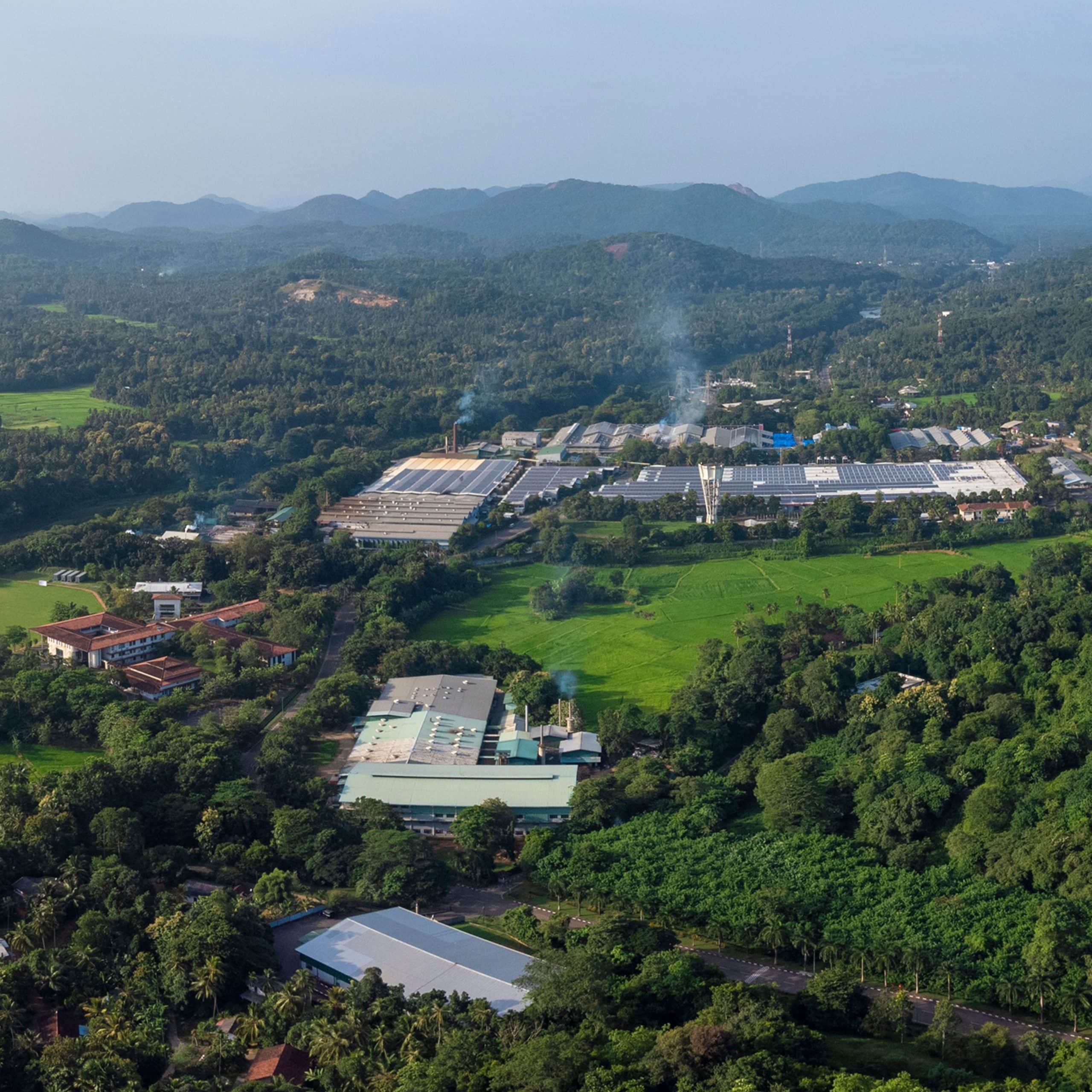
At the heart of the Thulhiriya Industrial Park is a network of integrated services and infrastructure designed to strengthen the way the Park operates. From water management and environmental systems to renewable energy, shared services, and learning spaces, each function has been built to support efficiency, resilience, and responsible growth across the ecosystem. Together, they enable the Park to operate as a connected industrial environment, where production, sustainability and people development work in close alignment.
Hydro & Environment
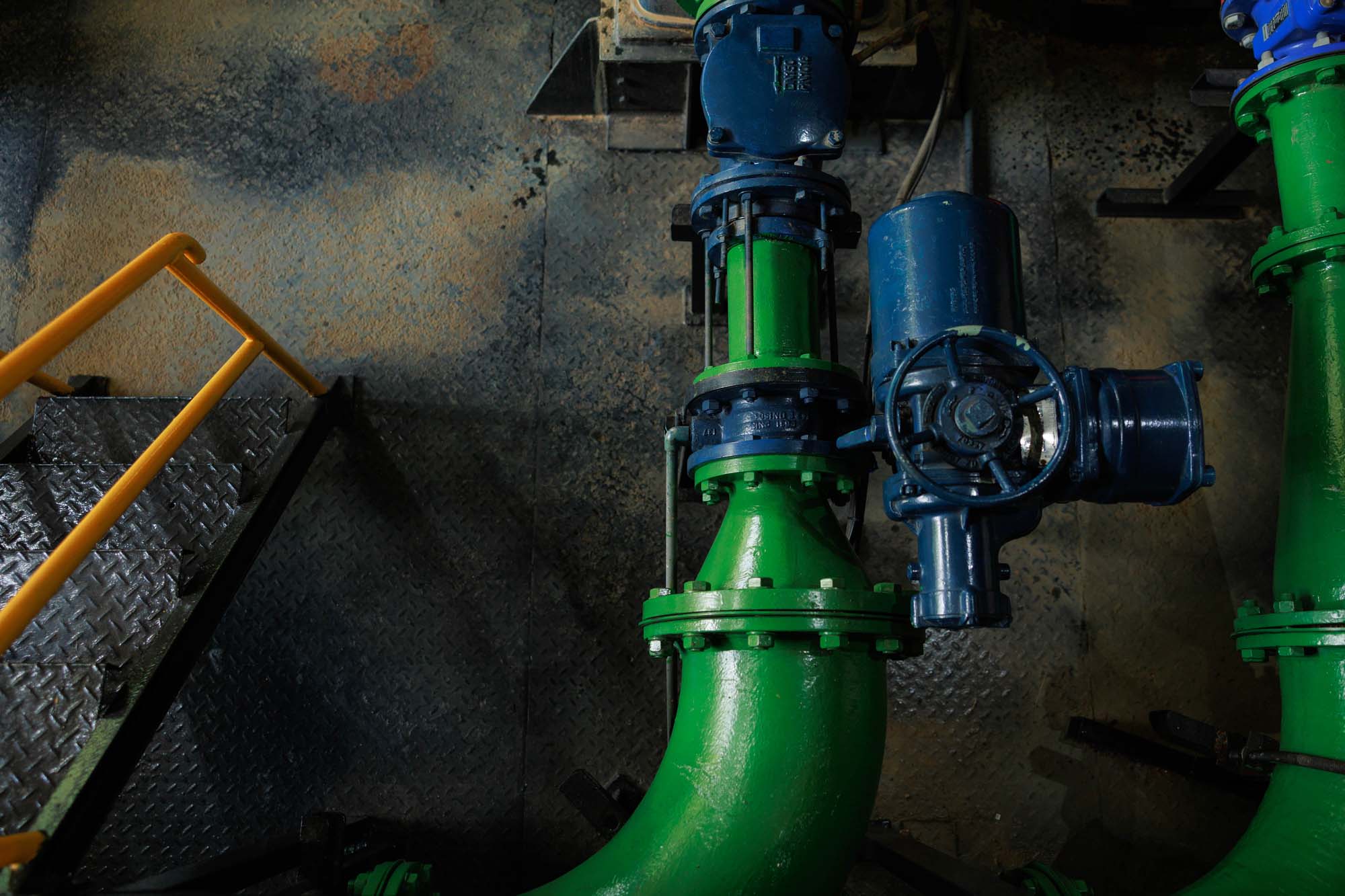
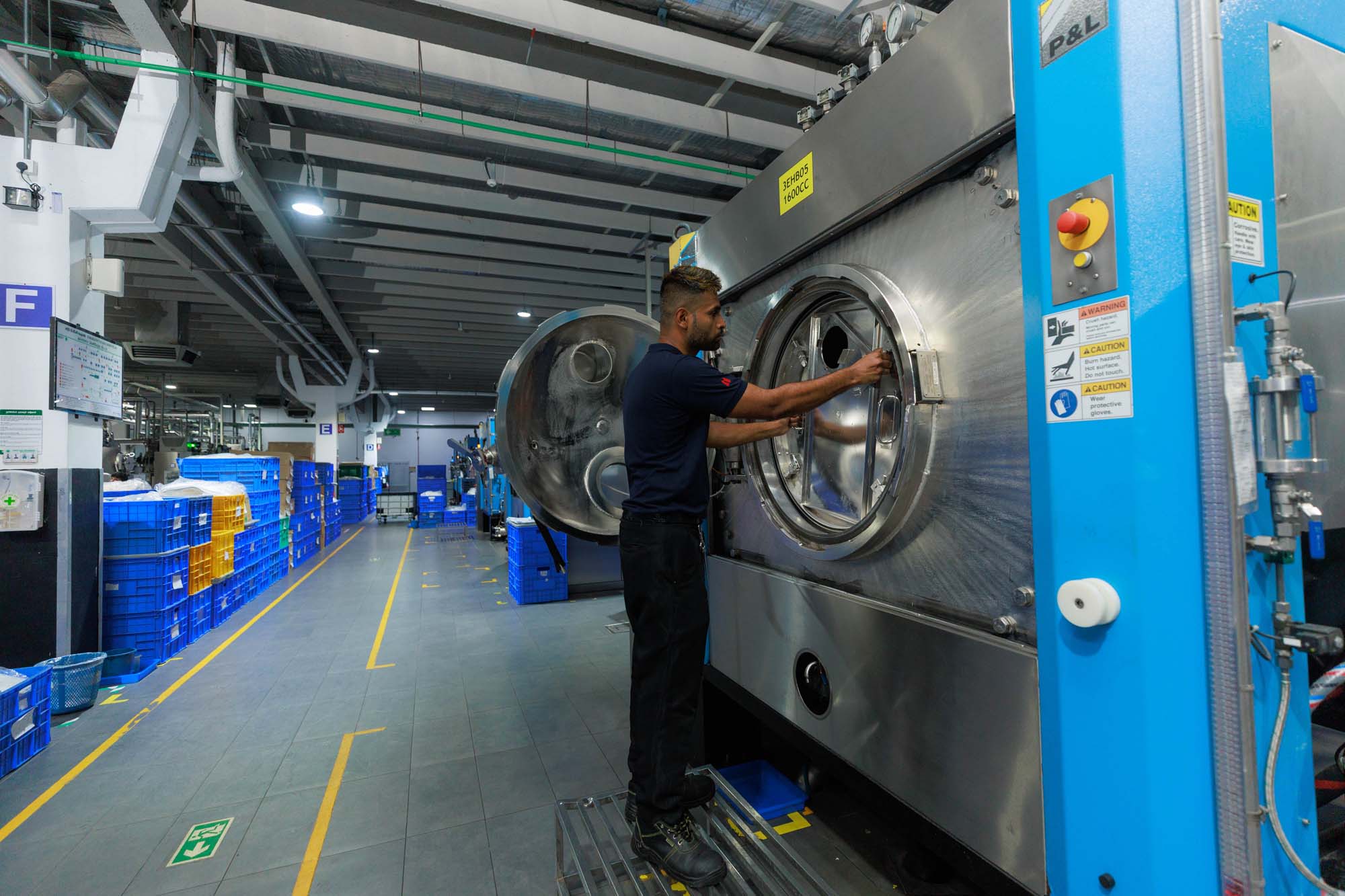
Water and environmental management form a core part of the infrastructure at the Thulhiriya Industrial Park. The Park operates with integrated systems for water purification, effluent treatment, quality testing, sludge reduction and waste reuse, helping support manufacturing activity while managing environmental impact responsibly.
Raw Water Treatment
Water is sourced from Ma-Oya and purified in-house through a dedicated treatment process. The system is designed to meet Sri Lankan and international quality standards, while rainwater harvesting across large rooftops and open areas supports more efficient water use within the Park.
Raw Effluent Treatment
Industrial effluent and sewerage from the Park are managed through a combined chemical and biological treatment process. Final treated discharge is further supported through wetland polishing, helping maintain compliance with national environmental requirements and ZDHC wastewater standards.
Laboratory Services
The Park’s water laboratory supports continuous quality control across drinking water, process water, and treated wastewater. Accredited under ISO/IEC 17025, the lab helps ensure that water and environmental treatment processes are consistently monitored and maintained.
Solar Dryer
Textile wastewater sludge is managed through a solar drying system that uses solar radiation to reduce moisture content in wet waste. This helps reduce the volume of sludge generated by manufacturing operations and supports safer, more sustainable waste handling.
Eco Brick Center
Through the Great Brick of Thulhiriya project, textile sludge is converted into eco-bricks as part of the Park’s approach to reducing landfill dependency. The process turns residual waste from wastewater treatment into a more useful material, reinforcing the Park’s focus on circular resource use.
Sustainable Initiatives
Sustainability at the Thulhiriya Industrial Park is built into the way the Park is developed, maintained, and operated. Its initiatives bring together renewable energy, reforestation, biodiversity restoration, sustainable construction materials, and environmental governance, supporting a manufacturing environment that is designed to reduce impact while strengthening long-term resilience.
Renewable Energy
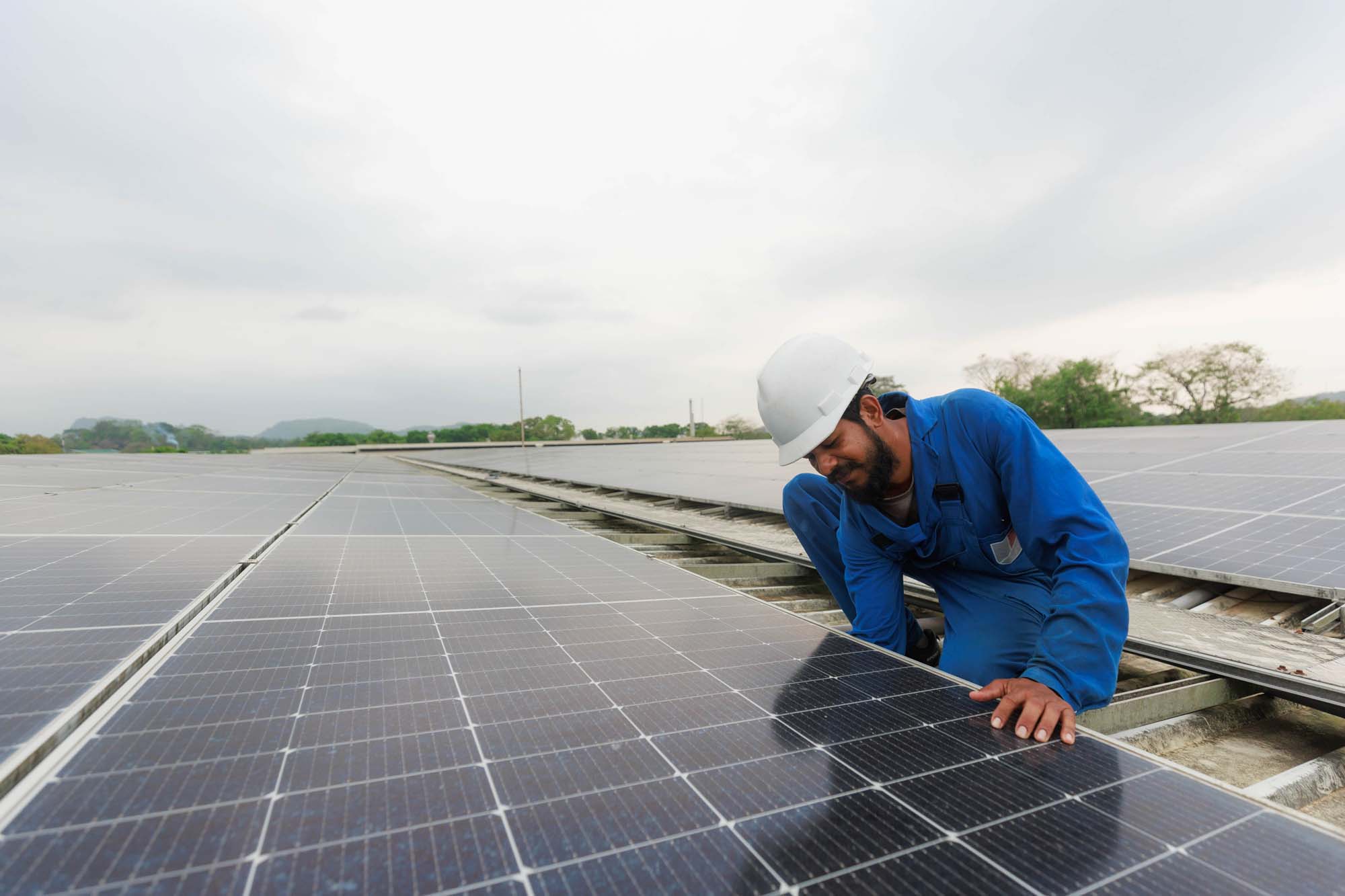
The Park has integrated solar solutions into its manufacturing infrastructure as part of MAS’ wider environmental commitments. At MAS Fabrics Matrix, rooftop solar panels support part of the plant’s energy requirement, reducing reliance on conventional energy sources while contributing to lower carbon emissions.
Thuruwadula Analog Forest
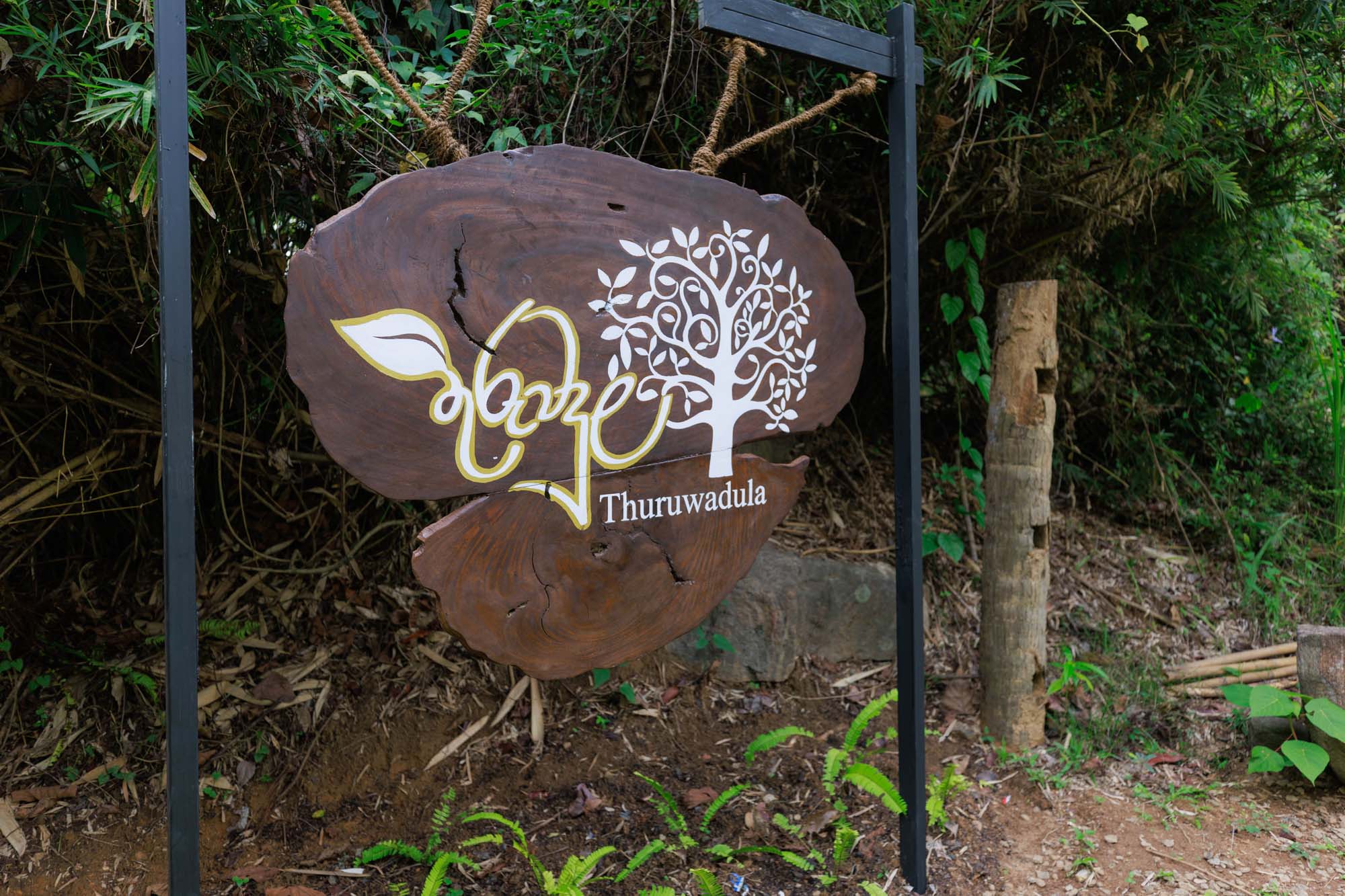
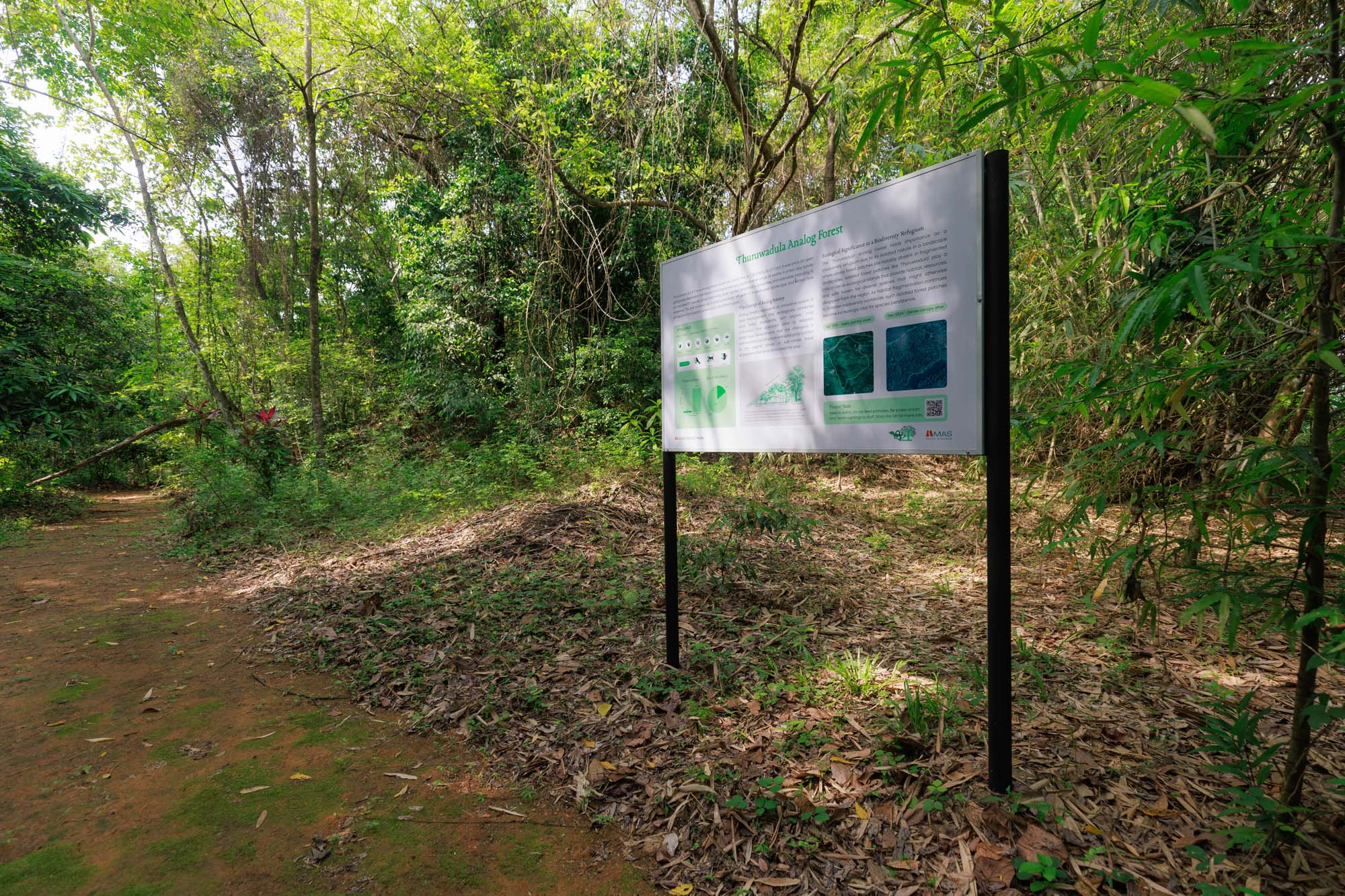
Located within MAS Fabric Park, Thuruwadula is a 9.7-acre analog forest developed to restore a degraded ecosystem and encourage climate resilience. Designed as a replicable model, it brings together native biodiversity, ecological restoration, and community education within the industrial park environment.
The Great Brick of Thulhiriya
The Great Brick of Thulhiriya supports the Park’s approach to sustainable infrastructure by converting waste into useful construction material. The initiative includes eco-bricks and grass block pavers, which help reduce landfill dependency, limit rainwater runoff, and support better groundwater absorption.
Environmental Policy
The Park’s environmental policy guides how its operations manage land, water, air, natural resources, biodiversity, and waste. It reinforces compliance with environmental standards while promoting pollution prevention, resource efficiency, continuous improvement, and environmental awareness across stakeholders within the Park.
Power & Energy
Power and energy infrastructure at the Thulhiriya Industrial Park supports the continuity and efficiency of its manufacturing operations. The Park integrates renewable energy solutions into its wider operating environment, helping reduce dependency on conventional power sources while supporting MAS’ broader commitment to responsible energy use.
Solar Energy Integration
Solar energy forms an important part of the Park’s sustainability approach. Rooftop solar systems have been introduced across selected manufacturing facilities, including MAS Fabrics Matrix, allowing the Park to generate clean energy within its own built environment.
MAS Photon
MAS Photon reflects MAS’ broader move towards renewable energy across its manufacturing network. As part of this initiative, solar rooftop systems have been deployed across multiple MAS locations, including facilities connected to the Thulhiriya Industrial Park, supporting lower carbon emissions and more sustainable energy consumption.
Energy Efficiency
The Park’s energy approach is not limited to generation alone. By combining renewable energy adoption with efficient infrastructure and operational monitoring, the Park works to support reliable production while managing energy consumption more responsibly.
Ancillary Services
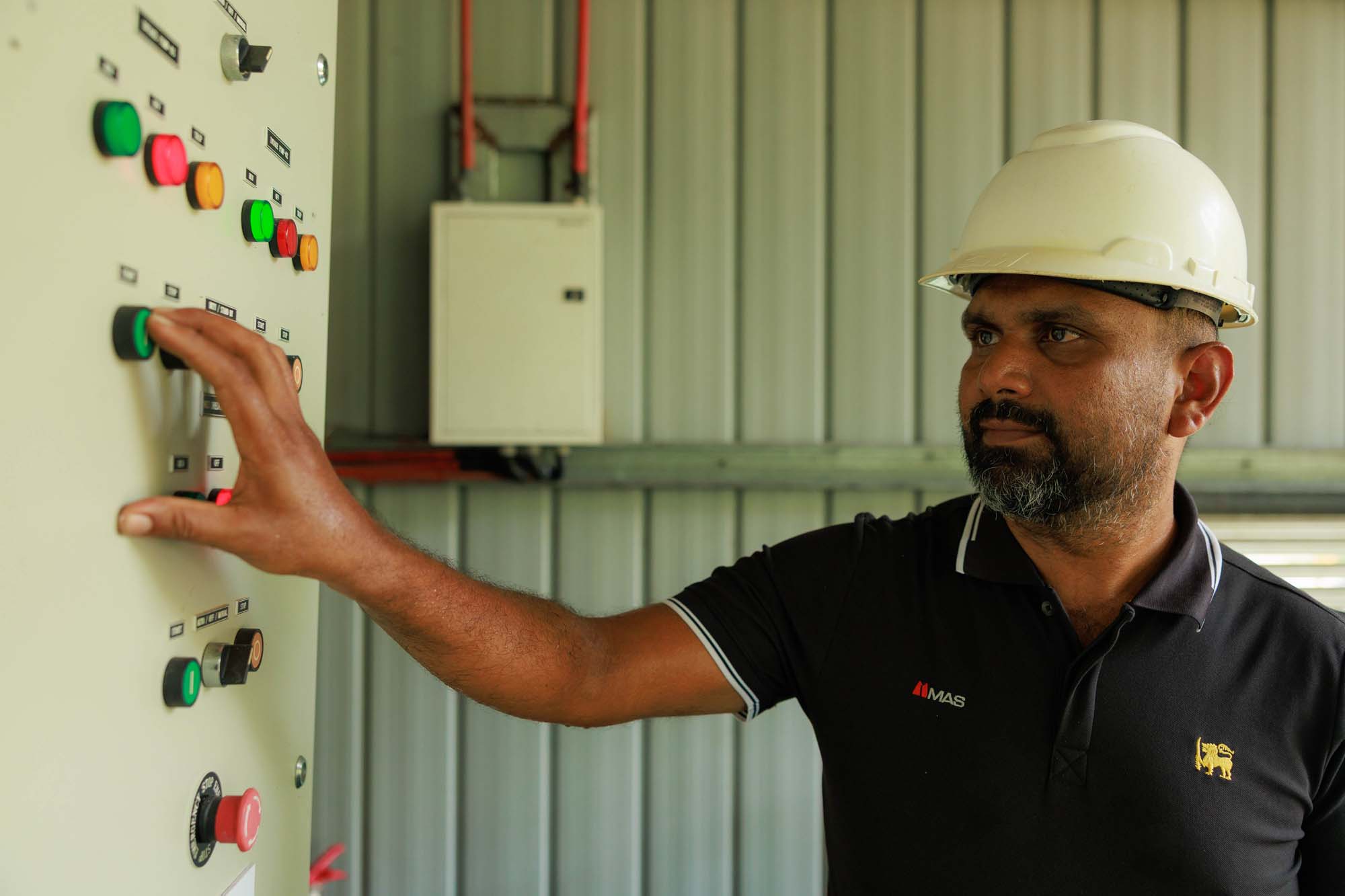
The Thulhiriya Industrial Park is supported by a range of ancillary services that help maintain safe, efficient, and uninterrupted operations across the Park. These services are designed to support the factories, employees, visitors, and service providers who operate within the industrial environment each day.
Centralised Kitchen
The Park operates a centralized kitchen that supports daily food requirements across its facilities. This helps maintain consistency, efficiency, and service reliability for the workforce within the Park.
Fire Protection
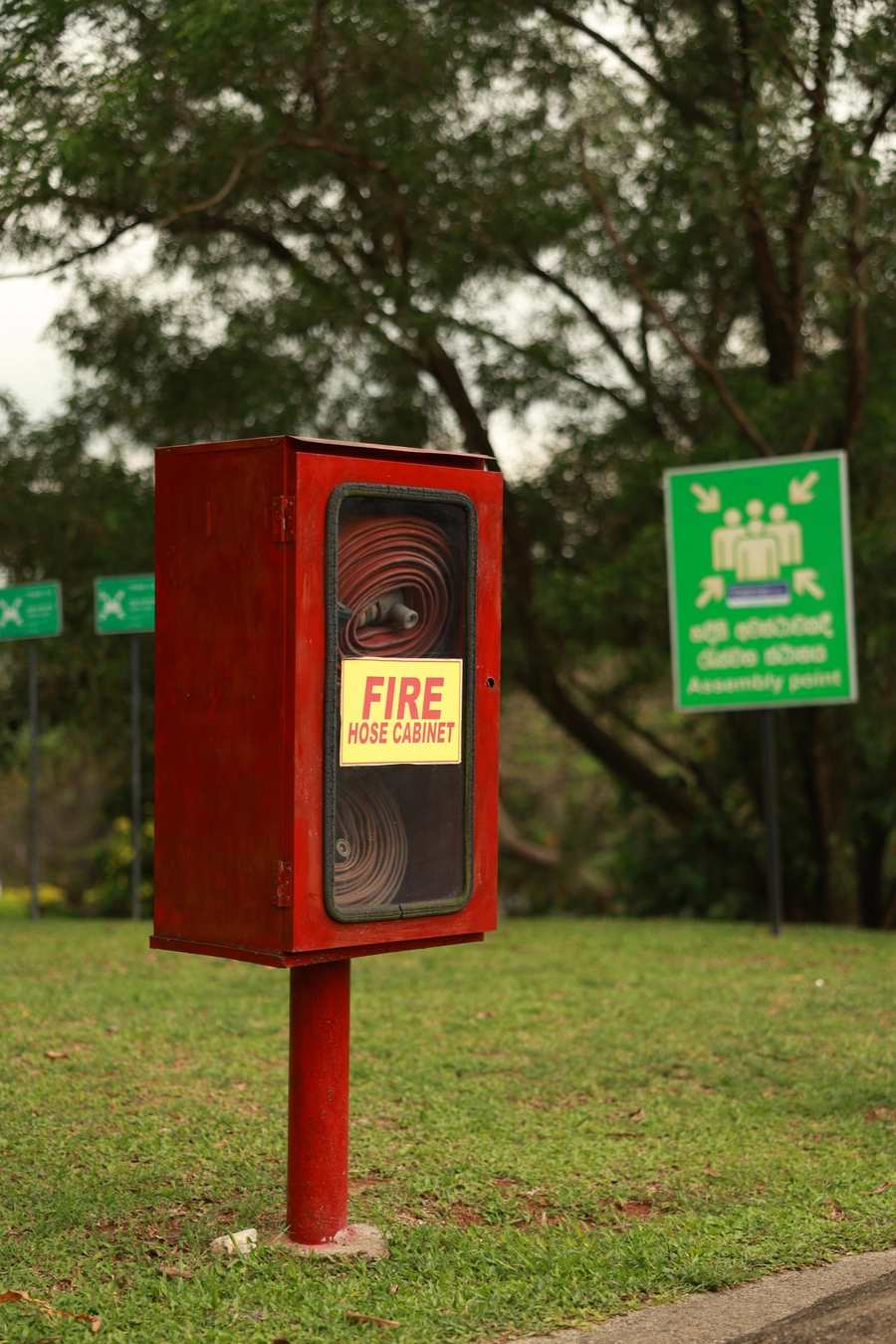
A dedicated fire protection system supports emergency readiness across the Park. This infrastructure helps strengthen workplace safety and ensures that manufacturing operations are supported by essential risk management systems.
Security and Access Control
Security services and access control systems help manage movement within the Park and protect its people, facilities, and operations. This supports a safer and more organised industrial environment.
Solid Waste Management
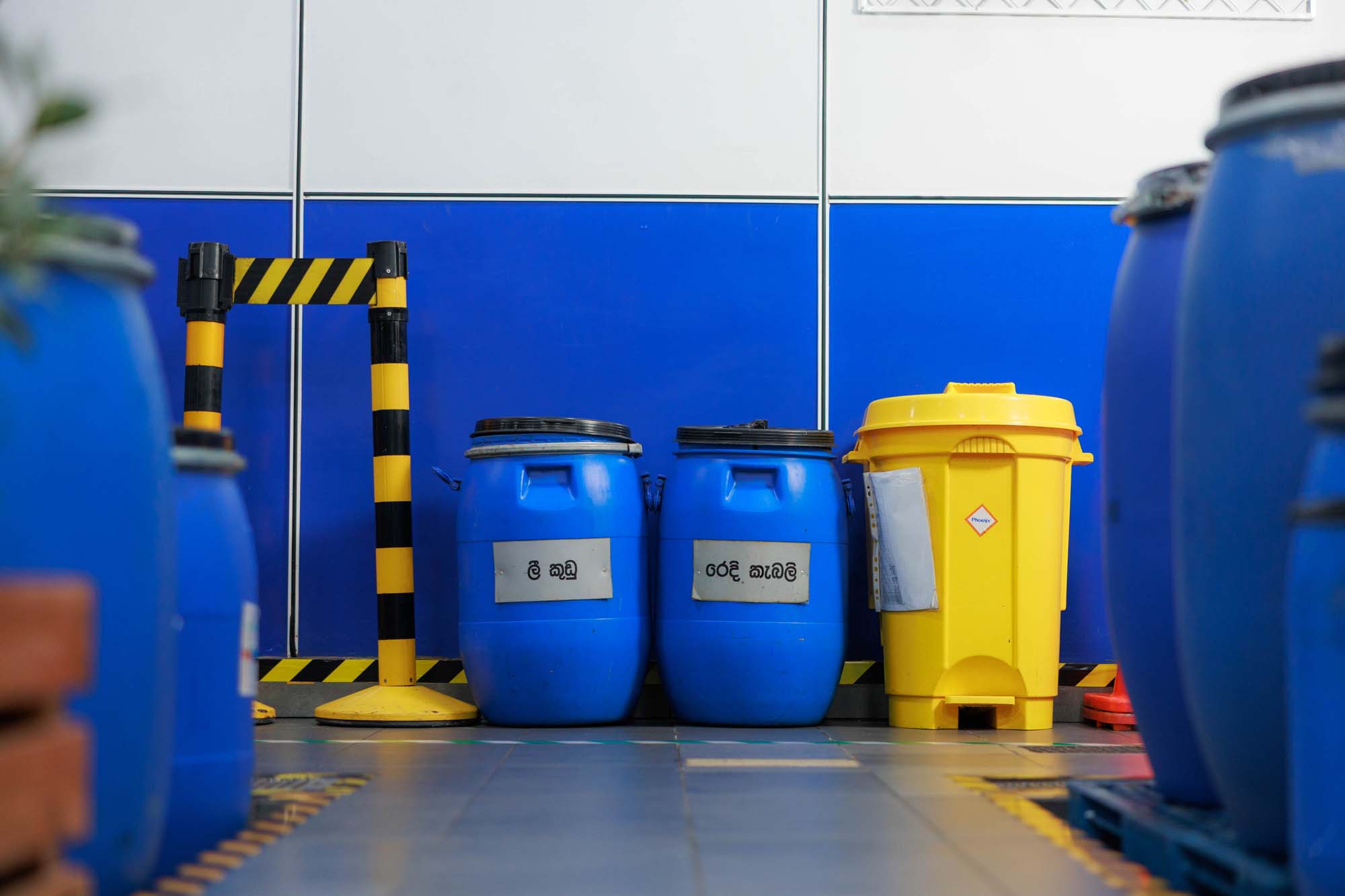
The Park’s solid waste management system supports the collection, segregation, and responsible handling of waste generated across operations. This helps reinforce cleaner manufacturing practices and better resource management.
Banking, Postal, and Medical Services
Essential services such as banking, postal support, and emergency medical care are available within the Park, making the environment more convenient and responsive for those working across its facilities.
MAS Athena
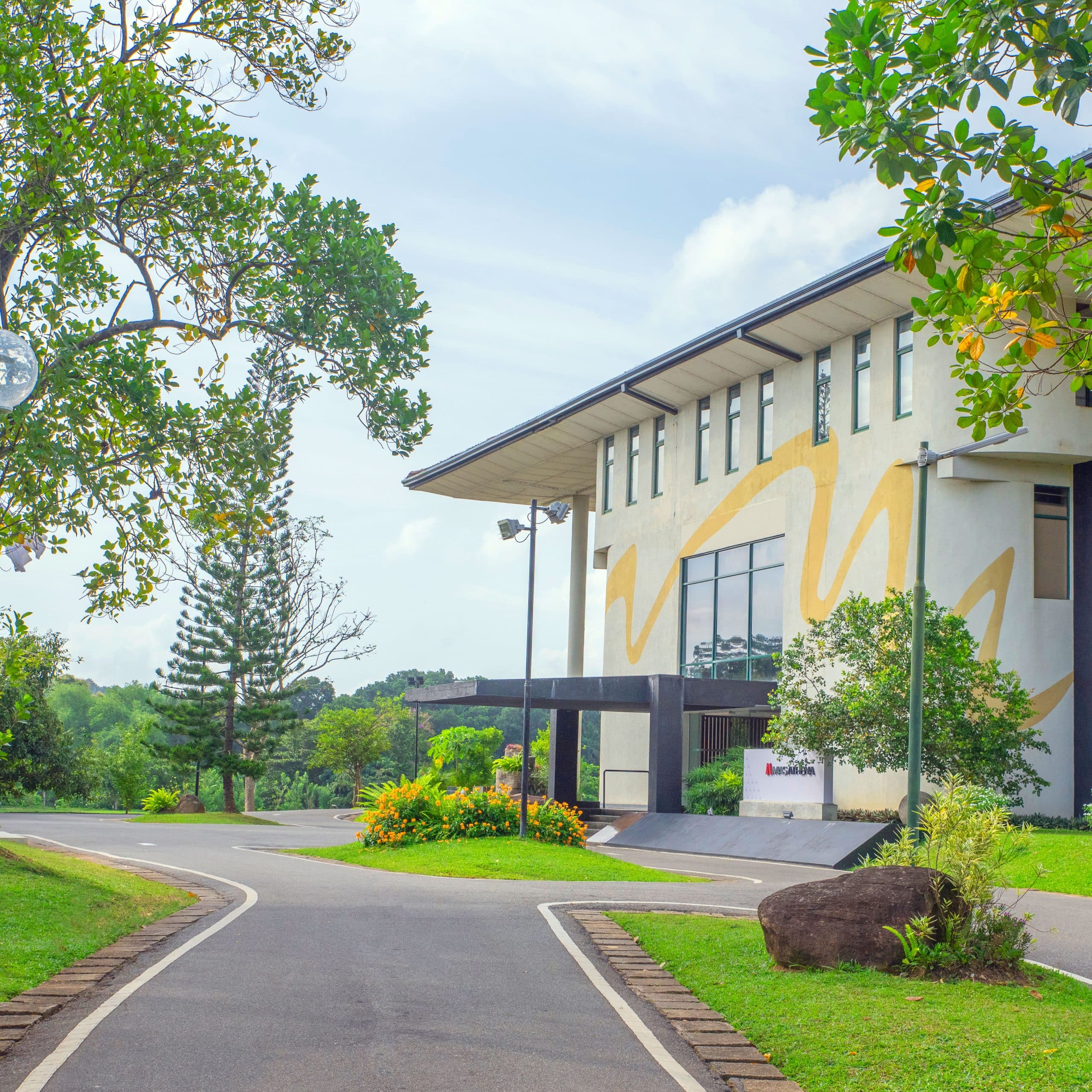
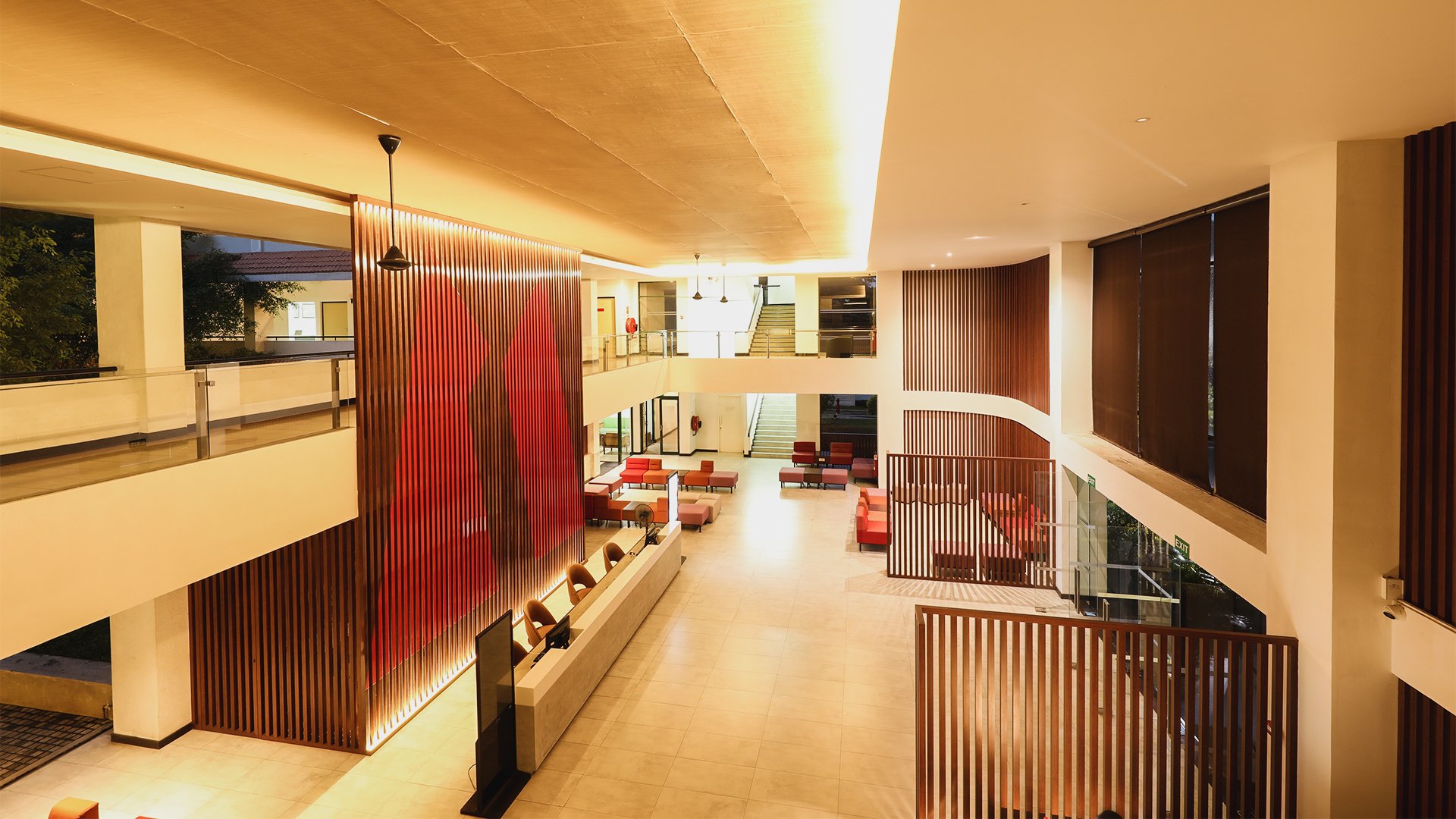
Located within the Thulhiriya Industrial Park, MAS Athena extends the Park’s role beyond manufacturing infrastructure into learning, collaboration, and people development. Designed as a dedicated knowledge and training space, it supports the growth of employees, teams, and partners across the MAS ecosystem.
Learning and Development
MAS Athena provides spaces for training, leadership development, workshops, and knowledge-sharing programmes. Its presence within the Park allows learning to remain closely connected to the manufacturing environment and the people who drive it.
Accommodation and Hospitality
The facility includes accommodation, food and beverage services, and recreational spaces that support participants, visitors, and teams using the centre. This helps create a more complete environment for residential training, meetings, and extended development programmes.
Collaboration Spaces
MAS Athena also functions as a space for dialogue, reflection, and cross-functional collaboration. By bringing people together within the Park, it supports stronger engagement, capability building, and shared learning across the wider MAS network.