
A Business Case for Diversity, Equity & Inclusion
Surein Wijeyeratne, Director - Corporate Communications, MAS Holdings · 24 Apr 2026
At MAS, our commitment is simple: to build a culture where all employees feel they belong and are offered opportunities to flourish - both in work and in life.
A question posed to me recently made me pause and reflect: Amid growing global backlash against diversity, equity and inclusion (DEI), why do companies like MAS continue to invest in it as a strategic priority for 2030?
It’s a fair question - and an important one.
Understanding the Backlash
In some markets, particularly the United States, the DEI landscape has shifted noticeably. Political and legal pressures have introduced new uncertainties, prompting some organisations to scale back or reframe their DEI programmes. At the same time, public discourse has become increasingly polarised, with DEI often mischaracterised as excessive or divisive.
In response, some companies have simplified their language, repositioned their people strategies under broader talent frameworks, or reduced the visibility of their DEI efforts altogether. Others have cited concerns about reputational or financial risk, fearing that strong, explicit commitments could alienate certain stakeholders.
However, it’s equally important to recognise that not all organisations are retreating. Many are adapting - embedding inclusion more deeply into culture, rather than abandoning it. Some have gone further, choosing to publicly reaffirm their commitments, recognising that the long-term value of inclusion far outweighs short-term pressures.

Why MAS Continues to Invest in DEI
At MAS, our perspective is grounded in both principle and performance.
Inclusion is a long-term value driver, not a trend.
DEI is embedded within our 2030 sustainability ambitions and overall business strategy. Our workforce, partners and global customers are inherently diverse. Reflecting that diversity strengthens innovation, sharpens decision-making, and builds resilience. For us, inclusion is not reactive - it is foundational to how we compete and grow.
Our workforce reality demands it.
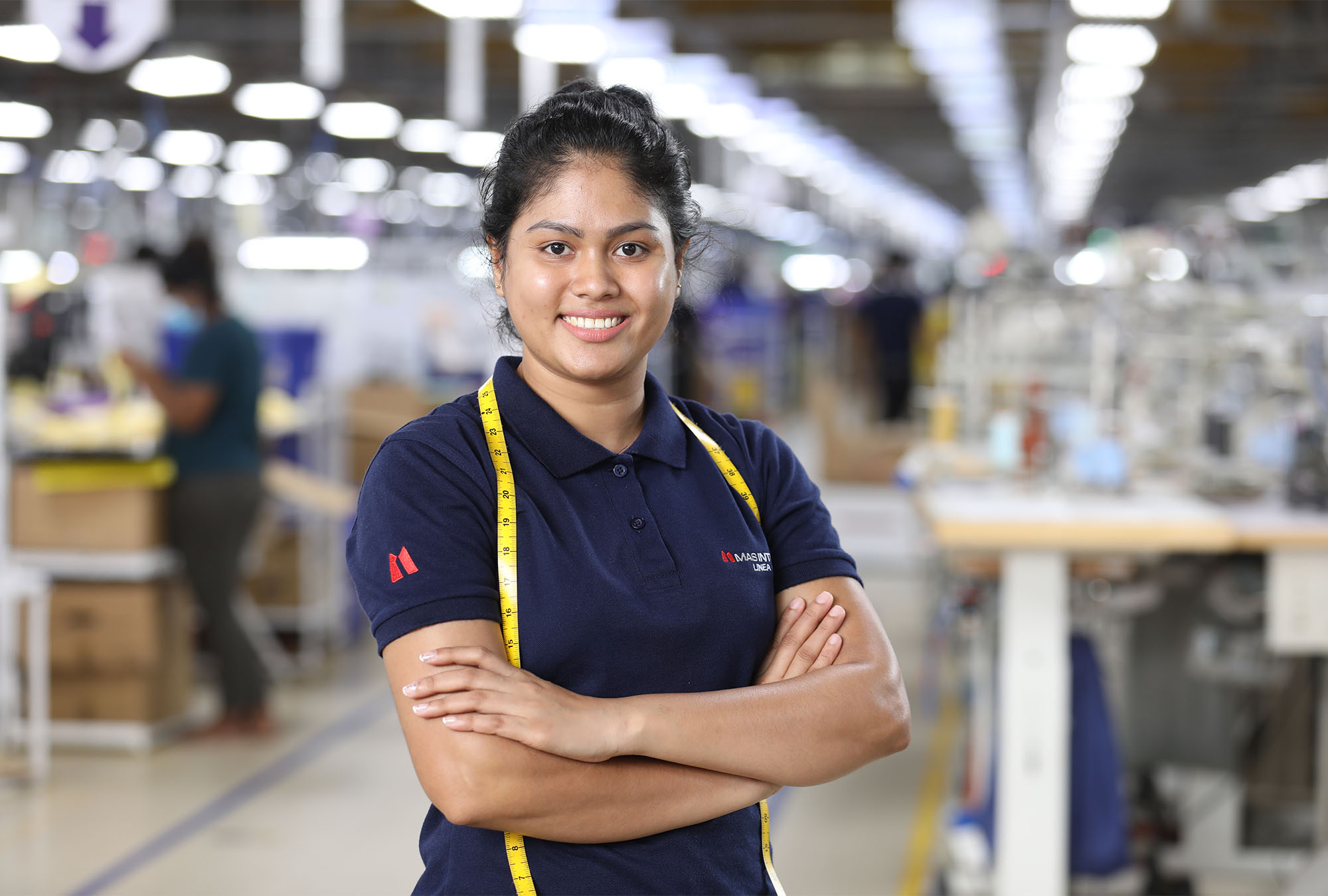
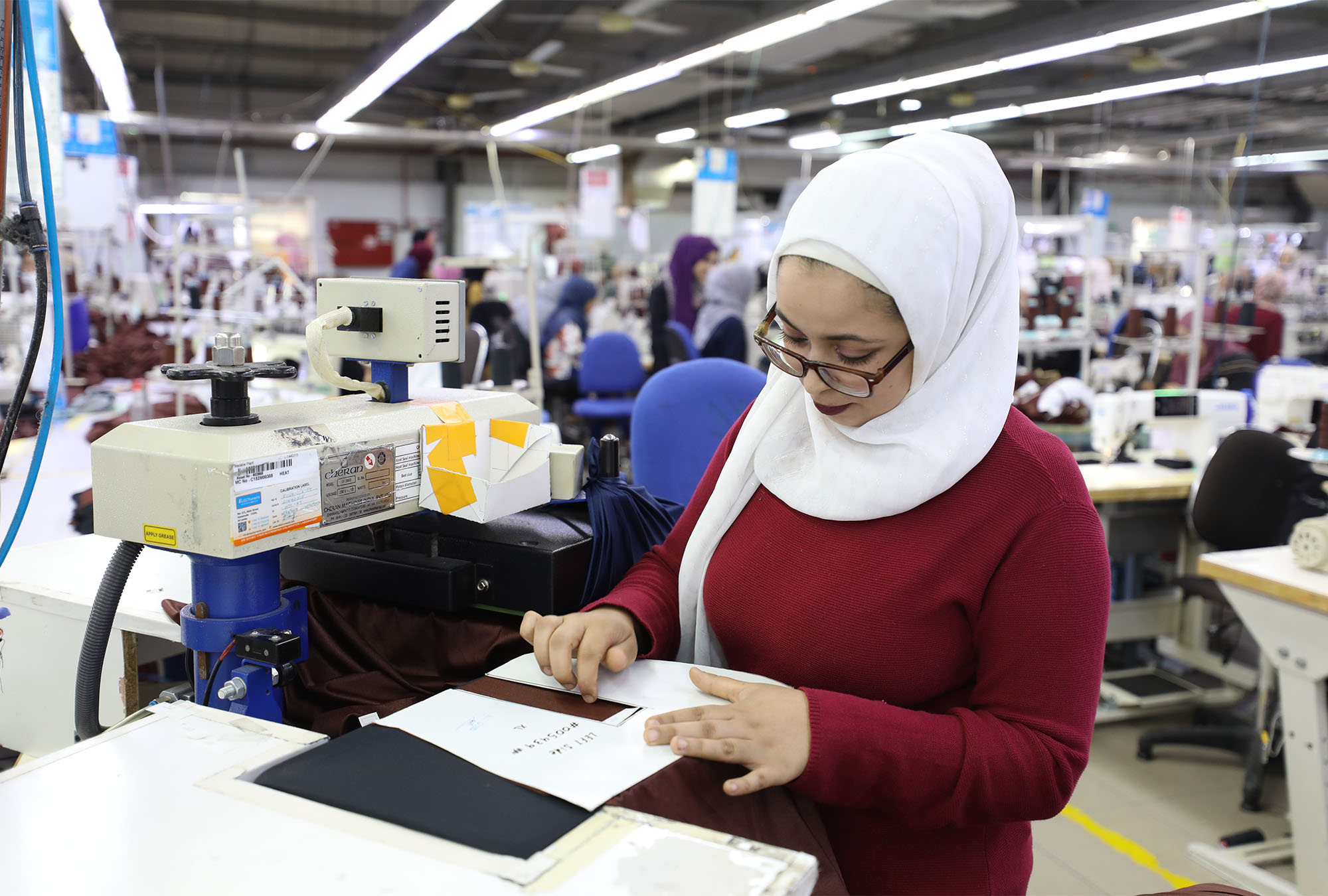
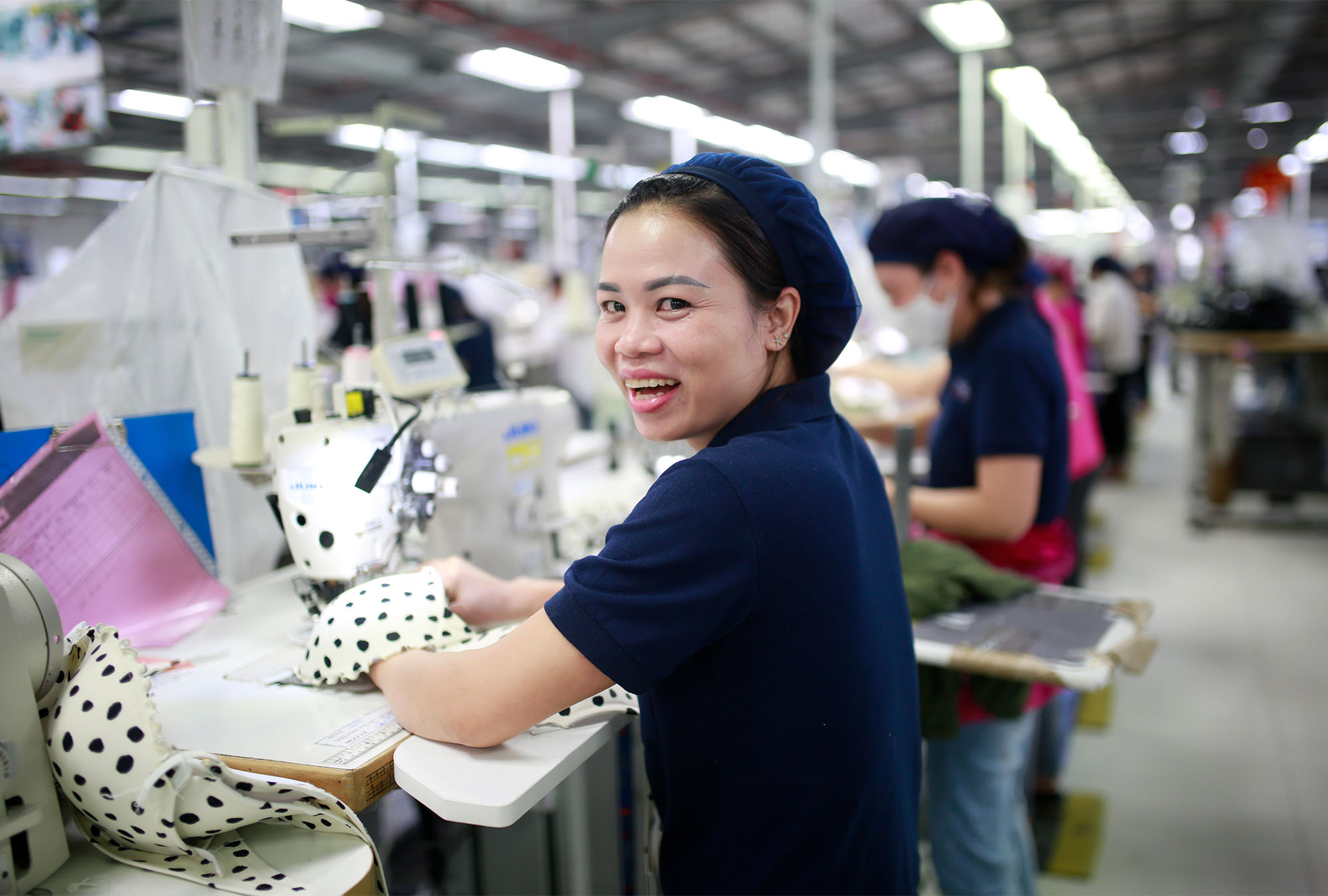
As a company operating across multiple geographies, with a predominantly female workforce, equity is not optional - it is essential. Creating pathways for leadership, expanding access to skills, and ensuring safe and respectful workplaces are core to our operational excellence.
Belonging drives performance.
When people feel safe to contribute, to challenge ideas, and to grow, organisations perform better. Inclusion strengthens engagement, improves retention, and builds robust leadership pipelines - critical in a fast-evolving global industry. And ‘real inclusion’ means challenging stigma and making space for every voice. We believe in amplifying issues affecting communities whose voices are too often unheard, including the LGBTQIA+ community. Breaking stigma and challenging bias helps create a culture where everyone is treated with dignity, equality, and respect.
It reflects who we are.
Long before DEI became a widely used term, these principles shaped how MAS operated. Our commitment to dignity, fairness and opportunity is not driven by external trends, but by deeply held values. Sustained investment in inclusion is simply the right thing to do - and the smart thing to do.
Moving Beyond Optics: From Policy to Practice
One of the most common pitfalls in DEI is the gap between intent and experience. Policies alone do not create belonging - culture does.
For organisations looking to move beyond optics or “DEI washing”, several principles matter:
Embed DEI into strategy and accountability.
At MAS, inclusion is integrated into leadership scorecards and sustainability targets. Progress is measured, and leaders are held accountable - not just for statements, but for outcomes.
Invest in meaningful programmes and infrastructure.
Inclusion must be visible in action. Initiatives such as Women Go Beyond have created millions of opportunities through training, mentoring and wellbeing support. Practical measures - flexible work, parental leave, childcare support, and programmes for individuals of diverse gender identities and abilities - signal commitment in tangible ways.
Measure culture, not just numbers.
Representation matters, but it is not enough. True inclusion is reflected in how people experience the workplace. Combining data with employee feedback helps organisations understand whether individuals feel respected, heard and supported.
Build capability and community.
Inclusion is not a one-time initiative. Continuous learning, awareness-building, and engagement with broader networks help sustain progress and influence industry-wide change.

Whose Responsibility Is Inclusion?
There is often a tendency to view inclusion as the responsibility of governments alone. While public policy plays a critical role in setting standards and protections, workplaces are where inclusion is lived daily.
The private sector has both the proximity and the influence to shape these experiences. Companies cannot outsource culture - they must actively build it.
The business case is clear:
• Talent: Inclusive environments attract and retain diverse talent.
• Innovation: Diverse teams challenge assumptions and generate better solutions.
• Resilience: Organisations that reflect their communities are better equipped to navigate complexity.
Beyond this, inclusion strengthens supply chains and communities. Investing in equitable access to opportunity contributes to more stable, capable ecosystems. This is not philanthropy - it is long-term value creation.
At MAS, we do not see a trade-off between values and performance. When people feel they belong and can speak up, organisations are safer, more ethical, and more innovative. That alignment is what makes inclusion a strategic priority.


A Final Thought
If there is one piece of advice I would offer - to businesses, policymakers and civil society alike - it is this:
If you are seeking innovation, stronger financial performance, greater productivity, and resilience in an increasingly complex world, start by examining the diversity within your teams.
Homogeneity limits perspective. Exclusion limits potential.
And in the long term, both are risks no organisation can afford to carry.