Impact Review · An independent, non-profit entity

MAS Foundation
for Change
Our mandate is to address large-scale environmental challenges beyond our operations through scalable, partnership-led interventions — preventing pollution, restoring ecosystems, and improving access to clean water.
Cleaner Oceans
Life on Our Planet
Access to Water
Our Approach
The MAS Foundation for Change operates as an independent, non-profit entity, delivering environmental impact through partnerships, data, and scalable interventions.
It addresses interconnected challenges including ocean pollution, biodiversity loss, and water contamination across priority ecosystems and communities.
Our approach combines upstream prevention, ecosystem restoration, and system-level engagement, enabling immediate outcomes and long-term resilience.
MAS supports the Foundation through funding, infrastructure, and expertise, ensuring effective delivery and governance.
- 7
- 8
- 9
Extending Impact Beyond Our Operations
The MAS Foundation for Change extends MAS’ environmental efforts beyond its operations, focusing on areas where environmental challenges are most visible — in waterways, ecosystems, and communities.
Established as an independent, non-profit entity, the Foundation operates through a partnership-led model, working with government agencies, local authorities, and research organisations to deliver scalable, on-the-ground interventions. MAS supports the Foundation through funding, infrastructure, and governance oversight, enabling effective programme delivery and accountability.
The Foundation focuses on preventing pollution, restoring ecosystems, and improving water quality through practical, data-informed interventions.
Partnerships for Change
Who we work with
- Government agencies
- Local authorities
- Research organisations
- Community partners
Core areas of engagement
- Waterways and marine environments
- Ecosystems and biodiversity
- Community-level interventions
Key priorities
- Pollution prevention
- Ecosystem restoration
- Improving water quality

Governance and Structure
The MAS Foundation for Change was incorporated in April 2022 as a Company Limited by Guarantee, with MAS Holdings and MAS Capital as its founding members, and is registered with the National NGO Secretariat of Sri Lanka.
Operations commenced in September 2022, supported by an independent financial management system to ensure transparency, accountability, and effective programme delivery.
The Foundation is led by Sharika Senanayake, Executive Director, supported by a lean team overseeing Grants and Partnerships, Field Operations, Monitoring and Evaluation, and Administration and Finance.
Cleaner Oceans
Preventing waste from entering marine ecosystems
Life on Our Planet
Restoring and protecting natural ecosystems
Access to Water
Improving water quality and reducing pollution
Cleaner Oceans
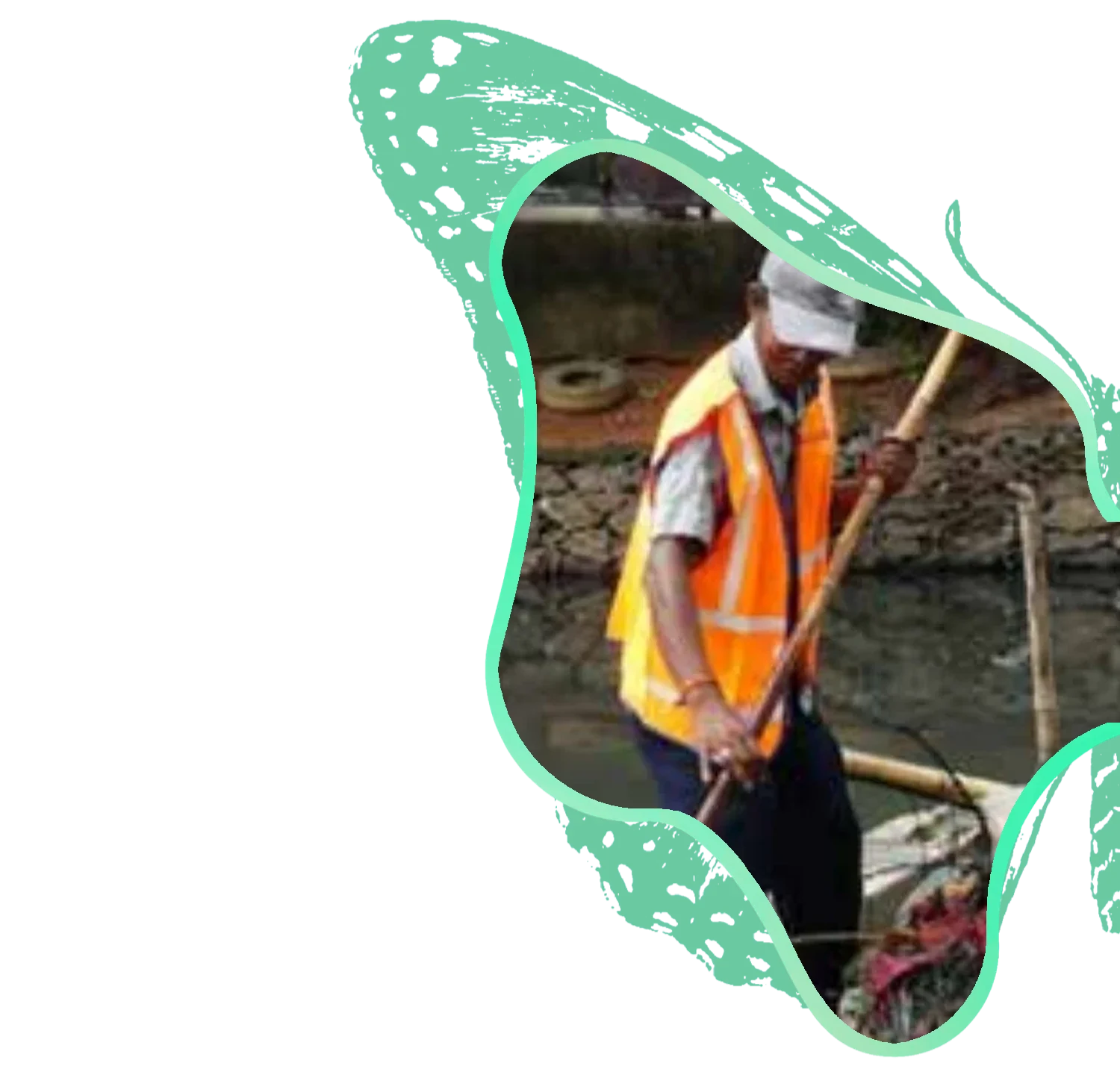
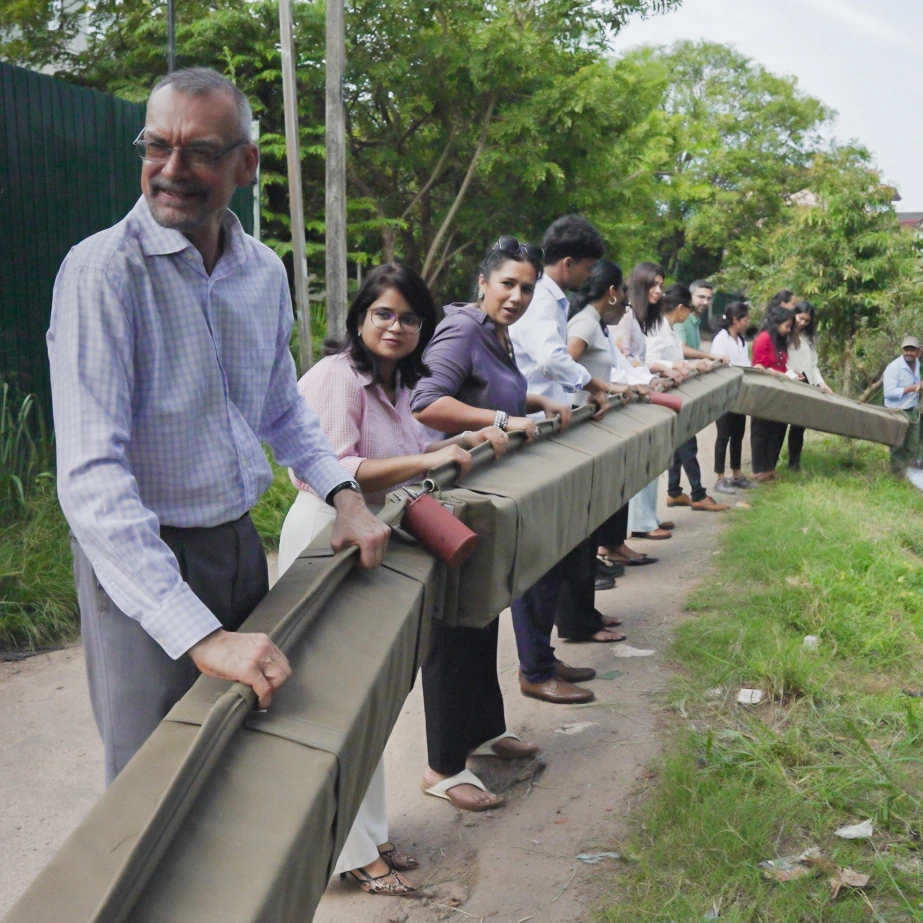
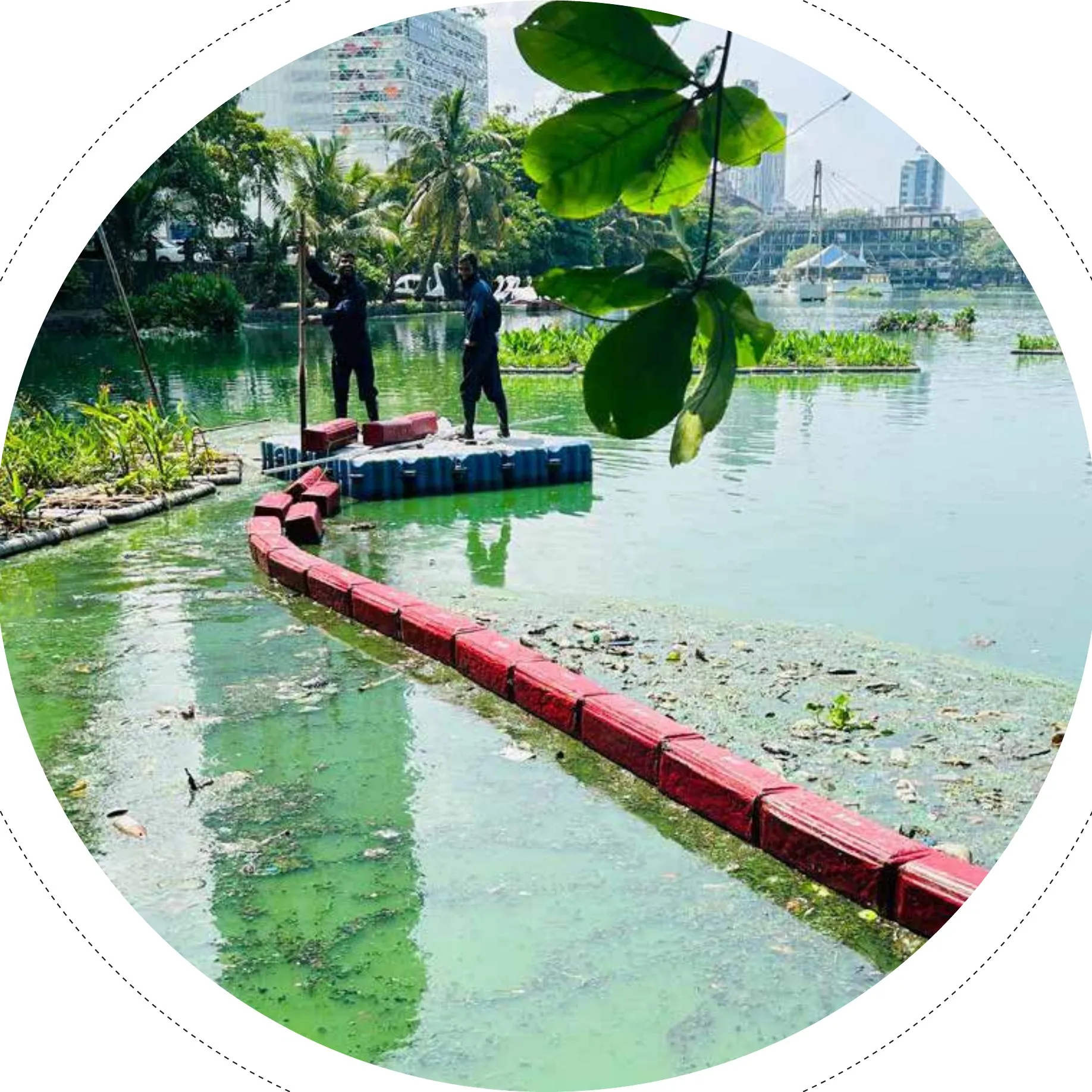
The Foundation’s primary focus in 2025 remained on preventing waste from entering the ocean, by intercepting it upstream in rivers, canals, and urban drainage systems.
This is carried out through the OCEAN STRAINER™ network, which expanded to 93 operational units during the year, with 27 new installations added and 100 units achieved shortly thereafter. These systems are strategically placed at key leakage points including canals, river outflows, and urban drainage channels, with the aim of capturing floating waste before it reaches coastal and marine ecosystems.
In 2025, approximately 2.8 million kilograms of mixed floating waste was intercepted through this network, contributing to a cumulative total exceeding 7.1 million kilograms since inception.
Operations are supported through close coordination with local authorities and waste handlers, who are responsible for the routine clearing, segregation, and transfer of collected waste. This ensures that interception is sustained as a daily operational activity, rather than a one-off intervention.
How the System Works:
Intercept
Waste is captured upstream across rivers, canals, and drainage points before reaching the ocean
Measure
Collected waste is recorded and analysed to understand sources, composition, and flow
Recover
Efforts underway to sort and redirect waste into recycling and reuse streams
From Interception to Insight
Each installation also functions as a monitoring point. Waste collected is systematically recorded and analysed to understand:
- the types of waste entering waterways
- how waste moves across locations
- and where leakage is most concentrated
To strengthen monitoring and reporting, the Foundation aligned its approach with internationally recognised methods, including the OSPAR Marine Litter Monitoring Framework (with CEFAS, UK) and JICA waste-accounting methodologies.
This enables waste to be consistently classified, measured, and compared across locations, improving the reliability of data used for planning and decision-making.
Data quality was further strengthened through a third party data verification partnership with a globally recognised partner, ensuring that waste data is analysed and interpreted with greater accuracy and credibility.
Expanding Interception Approaches
In parallel with network expansion, the Foundation is developing new interception solutions designed for enclosed drainage systems, including hume pipes. A pilot trial is planned to assess suitability across urban drainage infrastructure, enabling broader coverage of waste leakage points.
Towards Recovery and Circularity
Beyond collection, the Foundation is working to improve downstream outcomes.
In 2025, preparatory work was undertaken towards establishing Material Recovery Facility (MRF) models, aimed at:
- improving sorting of intercepted waste
- increasing recovery of recyclable materials
- reducing reliance on landfill disposal
In parallel, the Upcycled Strainer Block transitioned from a pilot initiative to a commercially viable product, demonstrating how recovered plastic can be converted into usable construction material while supporting circular economy objectives.
Key Highlights
0.0Mn kg
floating waste intercepted in 2025
0.0Mn kg
cumulative waste prevented from entering ecosystems
0 units
OCEAN STRAINER™ network achieved nationwide
0 new units
deployed during the year
Global monitoring standards adopted
(OSPAR with CEFAS, UK)
Improved waste measurement systems
(JICA methodologies)
Enabling Systems
During the year, the Foundation progressed towards a more connected approach, linking waste interception, data, and recovery.
- Establishing a national approach to tracking waste in waterways
- Improving how waste is measured and compared across locations
- Using data to support local planning and national-level discussions
- Developing pathways to move waste from collection to recycling
This shift supports more coordinated and effective environmental solutions over time.
Life on Our Planet
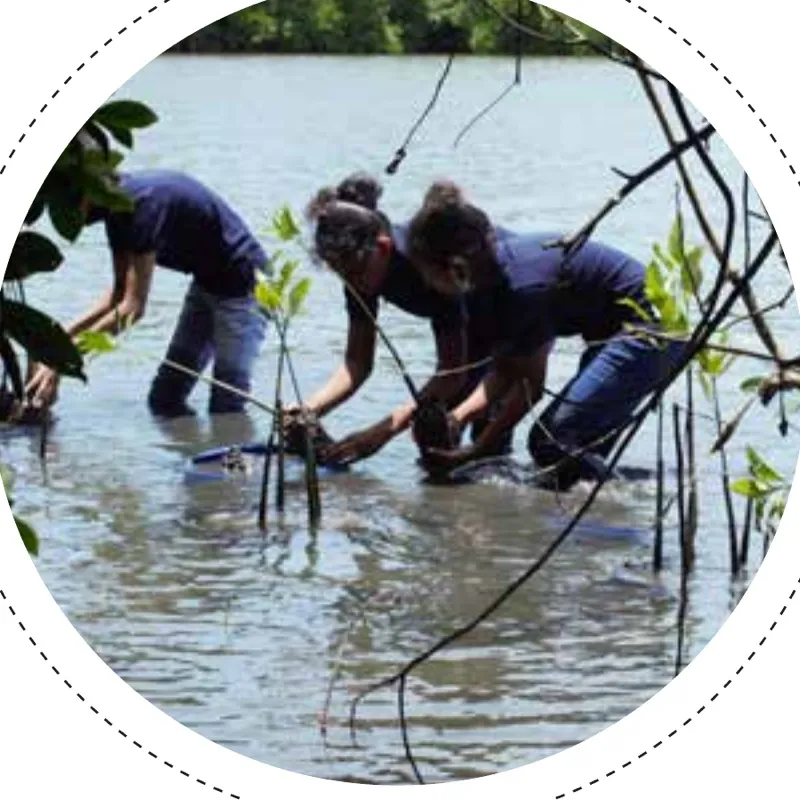
Activities under this pillar focus on restoring and protecting ecosystems such as mangroves, lagoons, and inland water bodies.
Restoration efforts are carried out with the support of volunteers and local partners, ensuring that interventions are appropriate to each ecosystem and minimise disturbance. These efforts are supported by upstream waste interception through the OCEAN STRAINER™ network (refer Cleaner Oceans), which helps prevent restored areas from being polluted again. These efforts contribute to improving ecosystem health and supporting biodiversity across affected habitats.
Supporting Ecosystem Recovery
- Mangrove restoration in Trincomalee monitored to assess ecosystem recovery over time
- Lagoons and inland habitats supported through targeted clean-up and protection efforts
- Reduced re-pollution through upstream interception of floating waste
- Exploration of reuse pathways for waste and invasive species such as water hyacinth

Way Forward
The Foundation plans to expand restoration efforts across priority ecosystems, scale volunteer-led programmes, and deepen collaboration with conservation organisations and research institutions.
Further integration of upstream waste interventions will continue to support the protection of restored ecosystems, alongside expansion of nature-based and waste-to-value solutions.
Access to Water
This pillar focuses on improving water quality by reducing pollution at source, particularly in urban waterways and vulnerable catchments.
The Foundation works with government agencies and local authorities to address pollution at source and support cleaner rivers and canals, while also promoting awareness on responsible waste disposal. The Foundation works with government agencies and local authorities to address pollution at source and support cleaner rivers and canals.
Efforts are increasingly focused on areas where waste leakage and flooding risks intersect, strengthening resilience of urban water systems.
Strengthening Water Systems
- Supporting improved water quality in rivers, canals, and urban waterways
- Working with local authorities to address waste-related pollution challenges
- Building awareness on responsible waste disposal and water protection
- Expanding focus towards high-risk and flood-prone catchments
Way Forward
We are focused on expanding interventions across priority catchments, with a stronger focus on integrating waste management, water quality improvement, and flood resilience through partnerships with local authorities and community stakeholders.
Looking Ahead
The Foundation plans to expand restoration efforts across priority ecosystems, scale volunteer-led programmes, and deepen collaboration with conservation organisations and research institutions.
Further integration of upstream waste interventions will continue to support the protection of restored ecosystems, alongside expansion of nature-based and waste-to-value solutions.

Advancing Interception and Reuse Solutions
The Foundation will continue to enhance the OCEAN STRAINER™ network, including adapting designs for research-oriented deployments that generate more detailed insights on waste flows and composition. In parallel, efforts will explore improved reuse pathways for water-bound plastics, including applications in recycled construction materials such as Silueta Blocks.
Enhancing Data Credibility and Accountability
Ongoing investments in data systems will strengthen the accuracy and transparency of waste monitoring, supporting engagement with third-party verification processes and enabling more structured approaches to linking environmental outcomes with accountability and potential financing mechanisms.
Strengthening Urban Waste Systems
Future efforts will focus on addressing waste leakage at source by supporting improvements in urban waste management infrastructure, particularly in high-risk areas. This includes developing Material Recovery Facility (MRF) partnerships to enable better segregation, processing, and redirection of intercepted waste into recycling streams.