
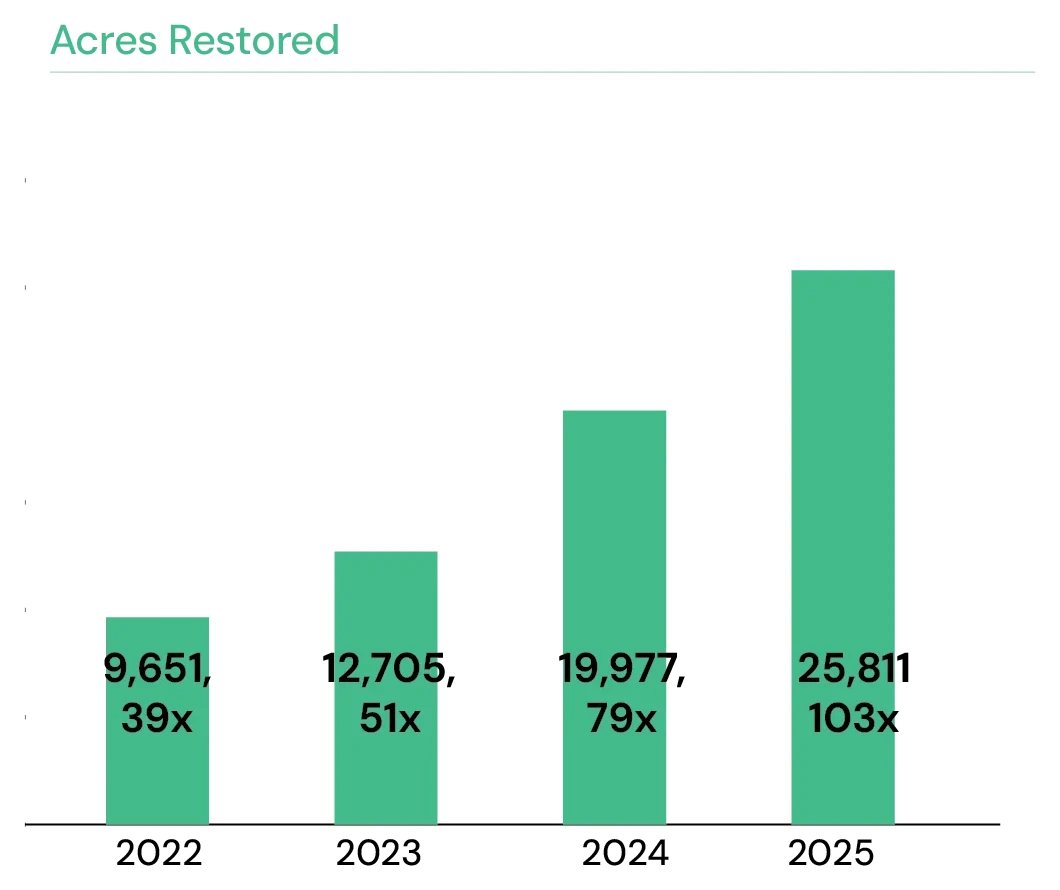
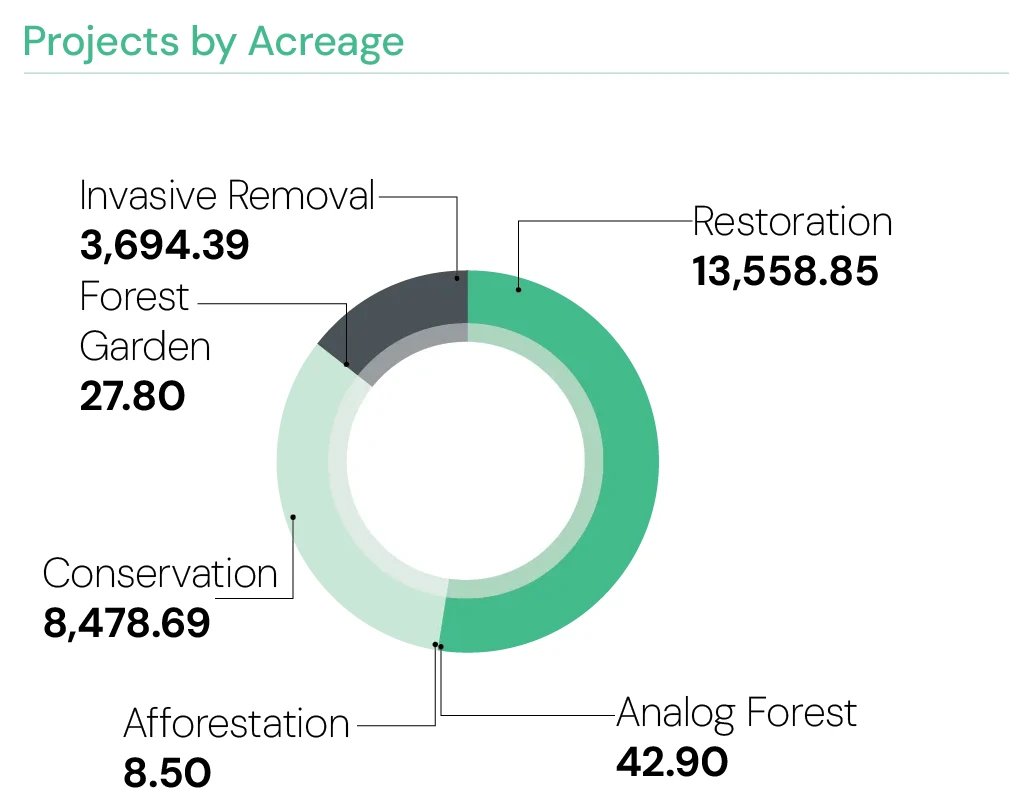
While MAS operations are not located in close proximity to designated global biodiversity hotspots, biodiversity remains a key focal point across all operating regions. In 2017, we embarked on a bold biodiversity journey conceptualising a strategy to restore and rehabilitate ecosystems at a scale 100 times greater than the land we occupy, equivalent to 25,100 acres by 2025. Today, that vision has become a reality. We have successfully surpassed our 1:100 biodiversity commitment, restoring 25,811 acres against a target of 25,100 acres. This milestone was achieved through a combination of ecosystem restoration, conservation initiatives, invasive species removal, and the adoption of analog forest and forest garden concepts across Sri Lanka, Kenya, and Indonesia.
Beyond scale, this achievement reflects MAS' commitment to creating measurable environmental value and positive social impact, strengthening ecosystems while supporting community wellbeing and long-term ecological resilience.
Key Priorities Shaping how we Champion Biodiversity
Biodiversity considerations are addressed through an integrated approach spanning the following areas:
Rebuilding degraded landscapes
Expanding ecosystem restoration across large landscapes through reforestation, habitat rehabilitation, and enrichment planting, improving vegetation cover, ecosystem functionality, and long-term resilience.
Safeguarding ecosystems and species
Strengthening conservation efforts in ecologically sensitive areas, including biodiversity corridors and analog forests, supporting species survival, habitat quality, and ecosystem stability.
Addressing ecosystem disruption
Managing invasive species and restoring native ecosystems to improve habitat quality, regenerate biodiversity, and enhance ecological balance across key landscapes.
0:0
biodiversity commitment (25,100 acres)
- 0x
- restoration achieved (vs the land we occupy)
- 0
- acres restored
- 0
- acres added in 2025
- Exceeded target by
- 0 acres
- Multi-country impact
- Sri Lanka | Indonesia | Kenya
At MAS, none of our direct operational facilities are located within, or in close proximity to, legally protected areas or areas of high biodiversity value outside protected areas. Consequently, our direct operations currently present no immediate risk of significant adverse impacts on biodiversity hotspots.
Value Chain Impacts & Forward-Looking Commitments
Recognising that our environmental footprint extends beyond our immediate physical boundaries, we are currently in the process of evaluating the broader impacts on biodiversity across both our direct operations and our supply chain. This comprehensive assessment aims to identify potential upstream dependencies and impacts, ensuring a holistic understanding of our value chain's ecological footprint.
We are committed to transparency and will be reporting the methodologies, findings, and subsequent mitigation strategies from this evaluation in the near future.
Biodiversity Restoration
Rebuilding Degraded Landscapes
Our restoration efforts focus on rehabilitating large, degraded landscapes while strengthening ecosystem functionality and long-term resilience. These initiatives are designed to increase vegetation cover, as well as to rebuild ecological systems that can sustain biodiversity over time.
Sustainable Forest Management – Central Java, Indonesia
- Location:
- KHDTK–UGM (Forest Area with Special Purposes), spanning Blora (Central Java) and Ngawi (East Java)
- Project Timeline:
- 2023 – 2027
- Area:
- 12,701 acres
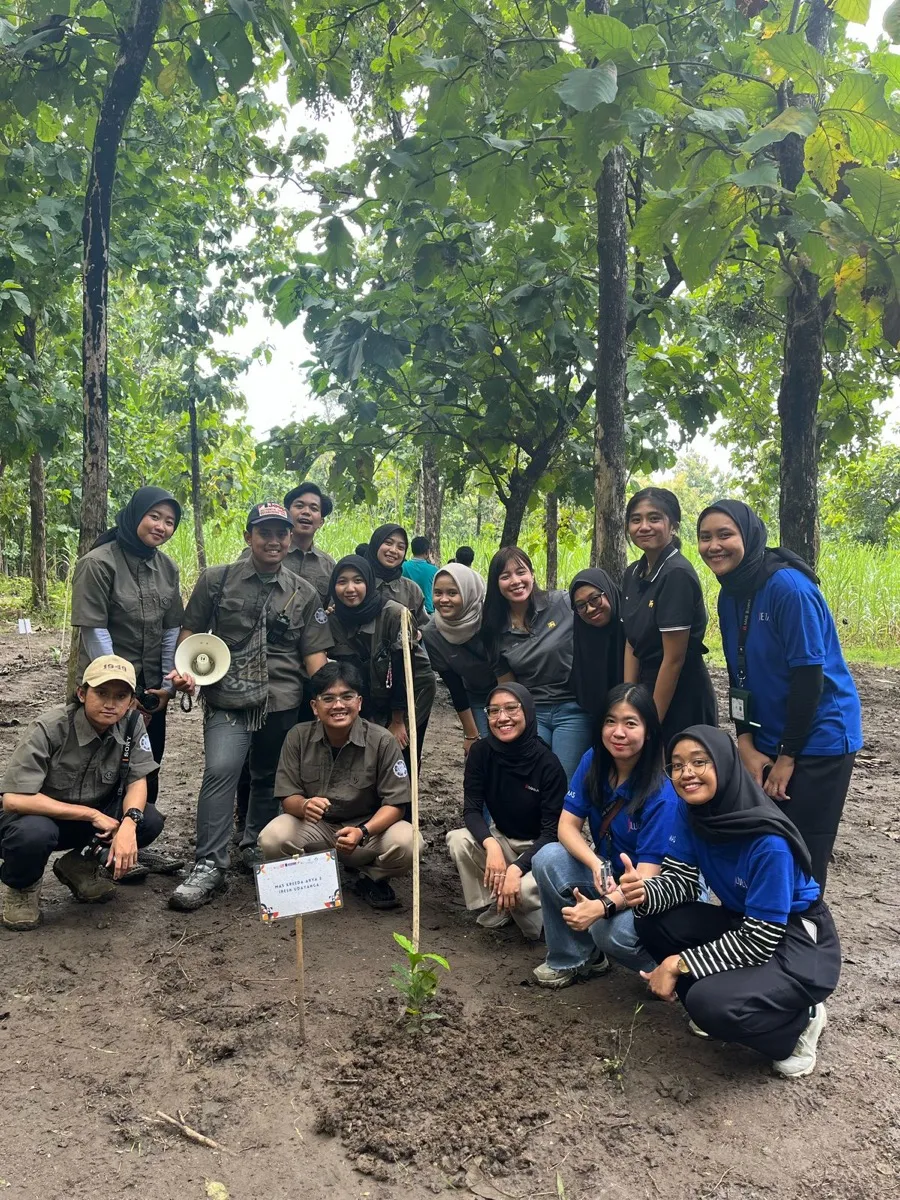
This initiative represents one of MAS' largest restoration programmes, focused on developing a multi-stakeholder forest management model that integrates ecosystem restoration, habitat enhancement, and community engagement. Implemented in collaboration with academic and local partners, the project is contributing to the restoration of degraded forest landscapes, strengthening ecosystem resilience, and improving biodiversity outcomes across the region.
Beyond restoration, the initiative is helping to establish more sustainable land-use practices, enhance habitat connectivity, and support long-term forest regeneration. It also creates shared value for local communities through inclusive engagement, while building a scalable model for collaborative forest management that can be replicated across similar landscapes.
MAS Capital, MAS Intimates, MAS Active, MAS Kreeda, Noyon Lanka, Linea Aqua, Bodyline, MAS Matrix, PT Prym Intimates Indonesia, Trischel Fabric, Silueta
MAS partners provide funding, oversight, and monitoring, while PT Pesona Indonesia Tours leads on-ground implementation in collaboration with the University of Gadjah Mada.
Project Objectives
- Develop a collaborative forest management model integrating protection, rehabilitation, and sustainable use
- Improve wildlife habitat quality through ecosystem restoration and protection of critical areas
- Enhance habitat connectivity and carrying capacity to support wildlife populations
- Increase wildlife presence and population stability within KHDTK Getas

Key Threats Addressed
- Encroachment driven by settlement pressures and limited land ownership
- Over-extraction of forest resources
- Forest fires and illegal activities (including hunting and wildlife trade)
- Broader regional pressures such as population growth, agriculture expansion, mining, and invasive species
Planning & Community Engagement
- Site surveys across KHDTK–UGM forest areas (Blora and Ngawi)
- Social engagement with local forest-dependent communities
- Development of technical plans for forest rehabilitation
- Continuous stakeholder engagement and community participation
Restoration & Planting
- Land preparation and pre-planting activities
- Large-scale planting in degraded and priority areas
- Habitat enrichment through native and forage species
Protection & Monitoring
- Forest patrols combined with biodiversity monitoring
- Ongoing protection efforts to mitigate illegal activities
- Continuous monitoring of ecosystem recovery and habitat quality

Long-Term Goal
- Restore and maintain healthy, resilient forest ecosystems through improved vegetation cover and soil quality
- Enhance wildlife habitat quality and carrying capacity through enrichment planting and corridor development
- Increase wildlife populations through sustained habitat availability and protection
- Establish a scalable, multi-stakeholder forest management model
- Strengthen community stewardship and participation in forest conservation
- Ensure long-term protection through monitoring, enforcement, and adaptive management
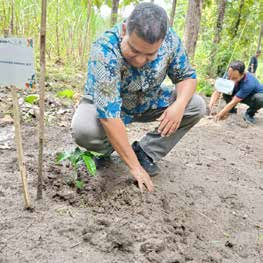
0
Total seedlings planted
~0%
Seedling survival rate achieved
0
Java long pepper
0
Gliricidia
0
Coffee
0
Jackfruit
0
Candlenut
- Strengthened collaborative forest management systems involving multiple stakeholders
- Improved habitat quality and ecological functionality
- Expansion and enrichment of critical wildlife habitats
- Increased forage availability, supporting herbivore populations
- Establishment of plant nurseries to sustain restoration efforts
- Development of ecological corridors and buffer zones to enhance connectivity
Etamassa Kandha Rainforest Restoration – Sri Lanka
- Location:
- Etamassa Kandha Forest Reserve, Galle District, Sri Lanka
- Project Timeline:
- 2025 – 2026
- Area:
- 10 acres
Located within the Etamassa Kandha Forest Reserve, this initiative targets the restoration of degraded lowland rainforest patches, contributing to the conservation of one of Sri Lanka's most threatened ecosystems. Through native species reforestation, boundary demarcation, and community engagement, the project is supporting the recovery of ecological balance in areas previously impacted by fragmentation and non-native species.
The intervention directly addresses key environmental pressures, including habitat degradation, biodiversity loss, and disruption to soil and water systems, while facilitating the gradual transition from monoculture-dominated landscapes to diverse native rainforest ecosystems. By integrating scientific restoration approaches with community awareness and protection efforts, the project is helping to stabilise vulnerable forest patches and reinforce their long-term ecological resilience.
Project Objectives
- Conserve remaining lowland rainforest patches in the Galle district
- Support the Department of Forestry in boundary demarcation using GIS-based approaches
- Restore degraded areas through replanting native rainforest species
- Strengthen habitat connectivity between fragmented forest patches
- Promote community awareness and education under a “conservation through awareness” approach
- Encourage scientific research and long-term conservation efforts
Bodyline Trading provides funding, monitoring, and evaluation, while the Wildlife Conservation Society – Galle leads implementation and technical execution.
Bodyline Trading (Pvt) Ltd
Wildlife Conservation Society – Galle

Target Species (Native Rainforest Flora)
- Dipterocarpus zeylanicus (Hora)
- Shorea robusta (Na)
- Calophyllum walkeri (Kina)
- Canarium zeylanicum (Kekuna)
- Artocarpus nobilis (Bedi-del)
- Mangifera zeylanica (Atamba)
Key Threats Addressed
- Ecological imbalance caused by Pinus monoculture plantations
- Suppression of native biodiversity and alteration of soil and water systems
- Habitat fragmentation and reduced ecosystem resilience
- Risk of encroachment and unsustainable resource extraction
Restoration & Planting
- Assisted ecological succession through reintroduction of native rainforest species
- Nursery propagation to ensure healthy, site-appropriate seedlings
- Phased planting across degraded forest patches
Planning & Protection
- GIS-supported boundary demarcation of rainforest habitats
- Installation of awareness materials to reduce encroachment
Community & Education
- Awareness programmes for local communities and schools
- Promotion of conservation stewardship and behavioural change
- Enabling research and learning opportunities
Ecological Outcomes
- 10 acres targeted for restoration to native rainforest composition
- Seedling survival rates tracked at Year 1, 3, and 5
- Increased abundance of key native taxa (Dipterocarpus, Shorea, etc.)
- Reduction in dominance of non-native/pioneer species
Water Quality Outcomes
- Monitoring of water quality improvements/stabilisation through baseline and follow-up testing
Social Outcomes
- Strengthened community stewardship and handover readiness
- Increased awareness reach through education initiatives
- Reduction in illegal extraction and encroachment incidents
- Strengthens biodiversity and native species recovery
- Improves soil stability and water retention capacity
- Supports endemic flora and fauna
- Enhances connectivity between Kottawa and Hiyare rainforest patches
- Contributes to long-term ecosystem resilience in the wet zone
- 100 Native rainforest seedlings planted (initial phase)
- Establishment of nursery-based propagation system
- Early-stage restoration initiated within selected forest patches
Restoration & Planting
- Continue planting in rehabilitation and enrichment areas to strengthen forest cover
Monitoring & Maintenance
- Regular monitoring of survival rates, growth, and habitat improvement
- Ongoing maintenance to ensure long-term vegetation establishment
Community Engagement
- Deepen local participation in planting, maintenance, and forest management
- Strengthen community structures and long-term collaboration
Ongoing Protection & Capacity Building
- Ongoing forest protection to prevent illegal activities
- Continued awareness, training, and capacity-building programmes
- Scale up planting across identified restoration areas
- Continue nursery development and seedling propagation
- Monitor plant survival and ecosystem recovery to guide adaptive restoration
- Strengthen community engagement and conservation ownership
Long-Term Goal
- Conserve and restore lowland rainforest fragments in Galle, with Etamassa Kandha as a key intervention site
- Strengthen ecological connectivity between Kottawa and Hiyare forest patches
- Enable long-term conservation through restoration, research, and community stewardship
- Support sustainable forest management and protection mechanisms
Aligned SDGs
Biodiversity Conservation
Safeguarding Ecosystems and Species
Our conservation initiatives prioritise ecologically sensitive landscapes and biodiversity-rich areas, focusing on habitat protection, species conservation, and long-term ecosystem stability.
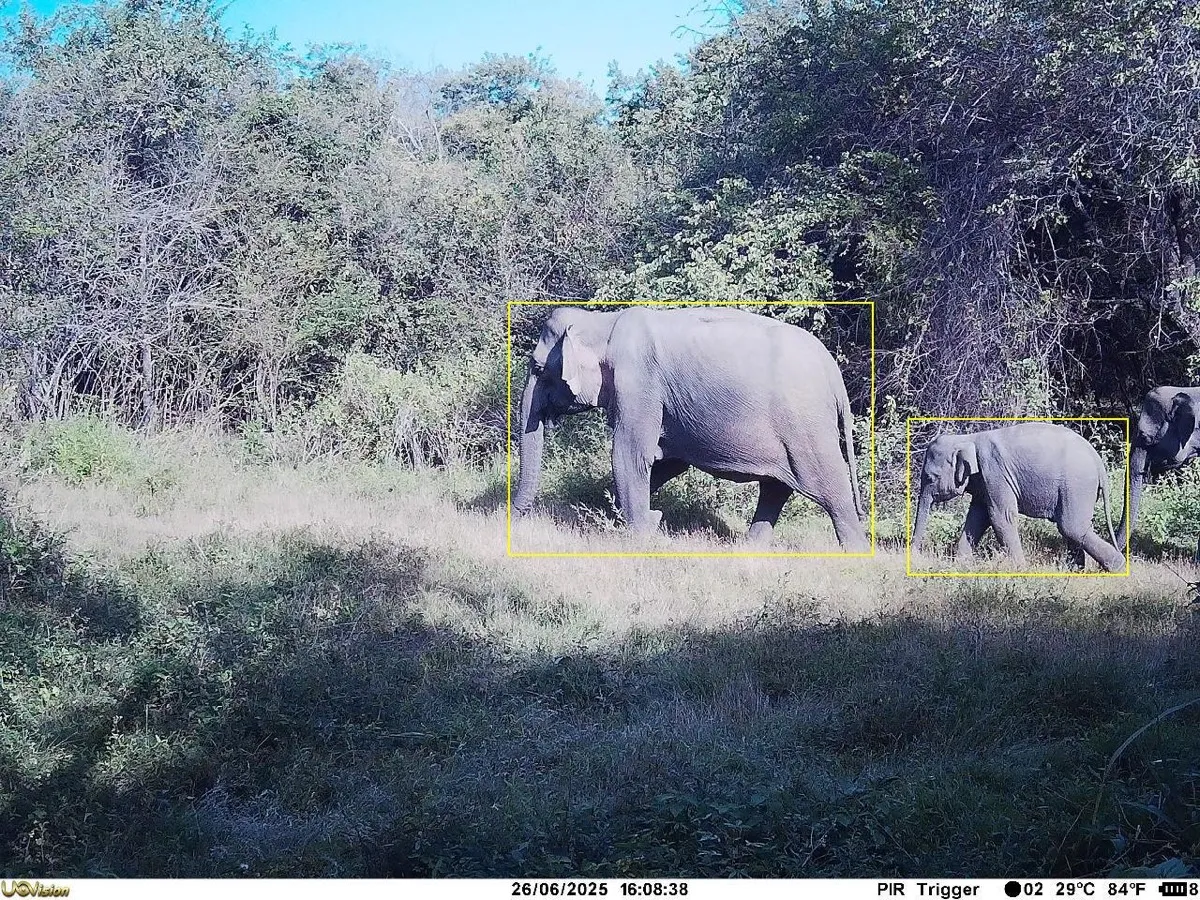
Suduweli Ara Elephant Corridor Restoration – Sri Lanka
- Location:
- Suduweli Ara, Hambegamuwa, Sri Lanka, adjoining Udawalawe National Park and the Wetahirakanda Elephant Corridor
- Project Timeline:
- 2025 – 2028
- Area:
- 50 acres
Targeting a critical elephant corridor between Udawalawe and Lunugamvehera National Parks, this initiative aims to restore and manage a degraded dry-zone forest landscape under increasing ecological pressure. Through targeted habitat restoration, boundary demarcation, and community engagement, the project is supporting the recovery of ecological functionality in a landscape under pressure from fragmentation and competing land uses.
By improving habitat quality and reconnecting fragmented forest and grassland systems, the restoration programme is focused on securing safe movement pathways for elephants and other wildlife, while reducing risks associated with habitat loss and human–wildlife conflict. The project also integrates research, education, and local stakeholder participation to strengthen long-term conservation outcomes and build resilience within this ecologically sensitive corridor.
MAS partners provide funding, oversight, and monitoring support, while TERN leads on-ground implementation and scientific research.
MAS Capital, MAS Intimates, MAS Active, Noyon Lanka, Trischel Fabric, Silueta
Tropical Ecosystem Research Network (TERN)
Project Objectives
- Restore degraded forest land to support species and habitat conservation
- Strengthen ecological functionality and connectivity within a key elephant corridor
- Enable biodiversity research and long-term ecological monitoring
- Provide environmental education and awareness-building opportunities for students and local stakeholders
Target Species
The project adopts the Asian elephant as the flagship species, given the ecological importance of the species. Conservation efforts also support a wider range of biodiversity, including:
- Mammals: Leopard, spotted deer, sambar, pangolin
- Avifauna: Native and migratory bird species
- Herpetofauna: Amphibians and reptiles
- Flora: Native dry-zone plant species
Key Threats Addressed
- Habitat loss and fragmentation
- Poaching (including gunshot-related mortality)
- Electrocution risks
- Degradation of grasslands and loss of foraging grounds
- Reduced shelter availability, particularly during dry periods
This habitat is especially critical during dry seasons, when resource scarcity increases vulnerability, particularly for juvenile elephants.
The project adopts a science-based, multi-stakeholder approach combining restoration, monitoring, and community engagement:
Habitat Restoration & Management
- Facilitation of natural regeneration and replanting with native species
- Removal and control of invasive plant species
- Restoration of grasslands to support herbivore foraging
- Demarcation of project boundaries using non-intrusive methods
- Mapping and zoning of habitat areas for targeted interventions
Biodiversity Monitoring & Research
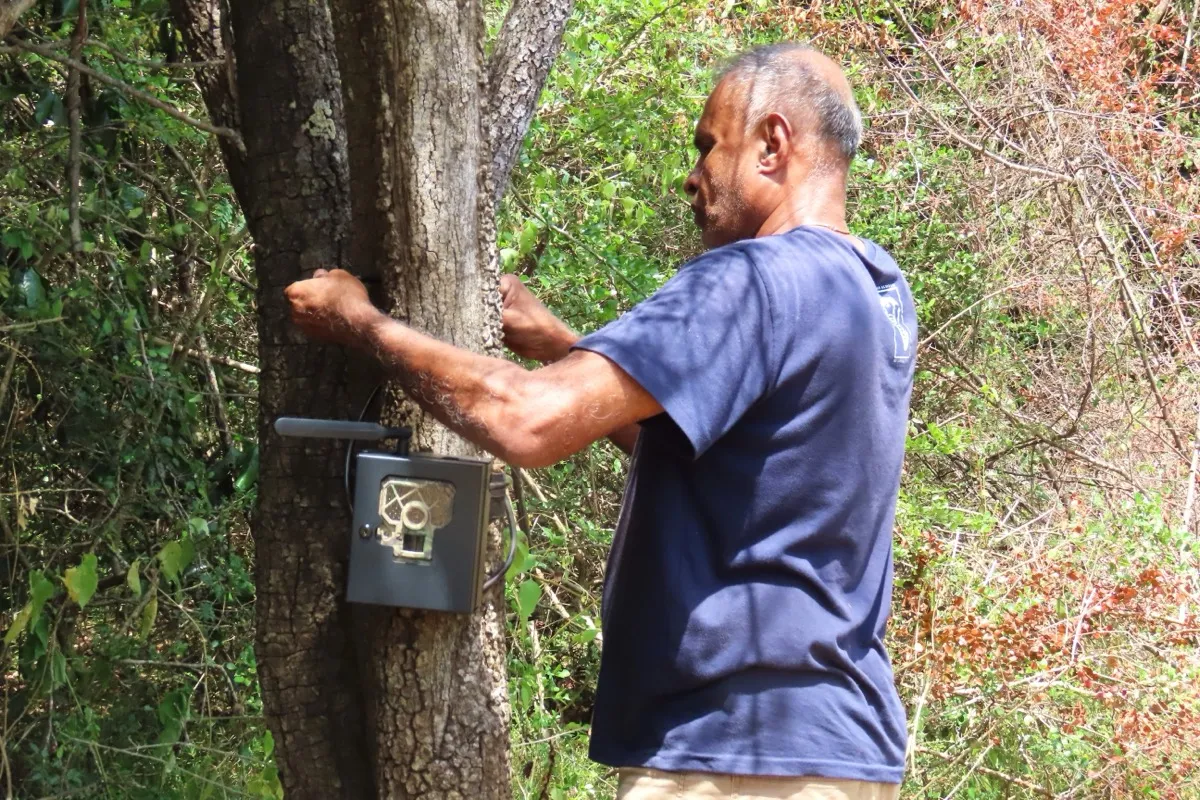
- Baseline biodiversity assessments using field surveys, drones, and camera traps
- Establishment of permanent monitoring plots and transects
- Bi-annual biodiversity surveys to build long-term ecological datasets
- Documentation of restoration techniques and species suitability
- Enabling external researchers to conduct species and habitat studies
Community Engagement & Capacity Building
- Establishment of a community-based native plant nursery
- Educational and awareness programmes for local communities and students
- Capacity-building initiatives based on identified training needs
- Dissemination of findings through reports, publications, and outreach SDG 15
- Establishment of a functional community nursery supporting restoration efforts
- Increased native vegetation cover and improved habitat structure
- Enhanced habitat quality and ecological functionality
- Strengthened biodiversity, including improved habitat value for elephants
- Generation of scientific data to inform long-term conservation strategies
- Improved ecosystem services and landscape resilience
Long-Term Goal
To establish a stable, self-sustaining dry-zone forest ecosystem with diverse flora and fauna, supported by continuous monitoring, adaptive management, and protection against encroachment and illegal activities.
- Complete and analyse baseline ecological and biodiversity assessments
- Strengthen monitoring systems to track qualitative and quantitative impact
- Refine restoration interventions based on scientific findings
- Scale community engagement and education initiatives
Aligned SDGs
Thuruwadula Analog Forest – Biodiversity Assessment, Sri Lanka
- Location:
- MAS Fabric Park, Thulhiriya, Sri Lanka
- Area:
- 9.7 acres
Set within an industrial landscape, this initiative assesses the biodiversity value of the Thuruwadula Analog Forest, an established, human-restored ecosystem that demonstrates the potential for ecological regeneration in modified environments. The assessment establishes a scientific baseline to guide future conservation actions, strengthen habitat management, and better understand species diversity within the site.
By documenting species richness and ecological function, the initiative highlights the role of analog forestry in recreating structurally complex, resilient ecosystems. It also supports positioning the site as a model for integrating biodiversity into industrial zones, while informing long-term conservation planning and environmental stewardship.
Project Objective
- Conduct a rapid biodiversity assessment to evaluate species richness and ecological value
- Generate scientific evidence to inform conservation planning and habitat management
- Strengthen the role of the analog forest as a biodiversity refugium and learning site
- Functions as a biodiversity refugium within a landscape with limited comparable habitats
- Provides critical habitat for endemic, threatened, and indicator species
- Demonstrates the potential of analog forestry systems to restore ecological function within industrial settings
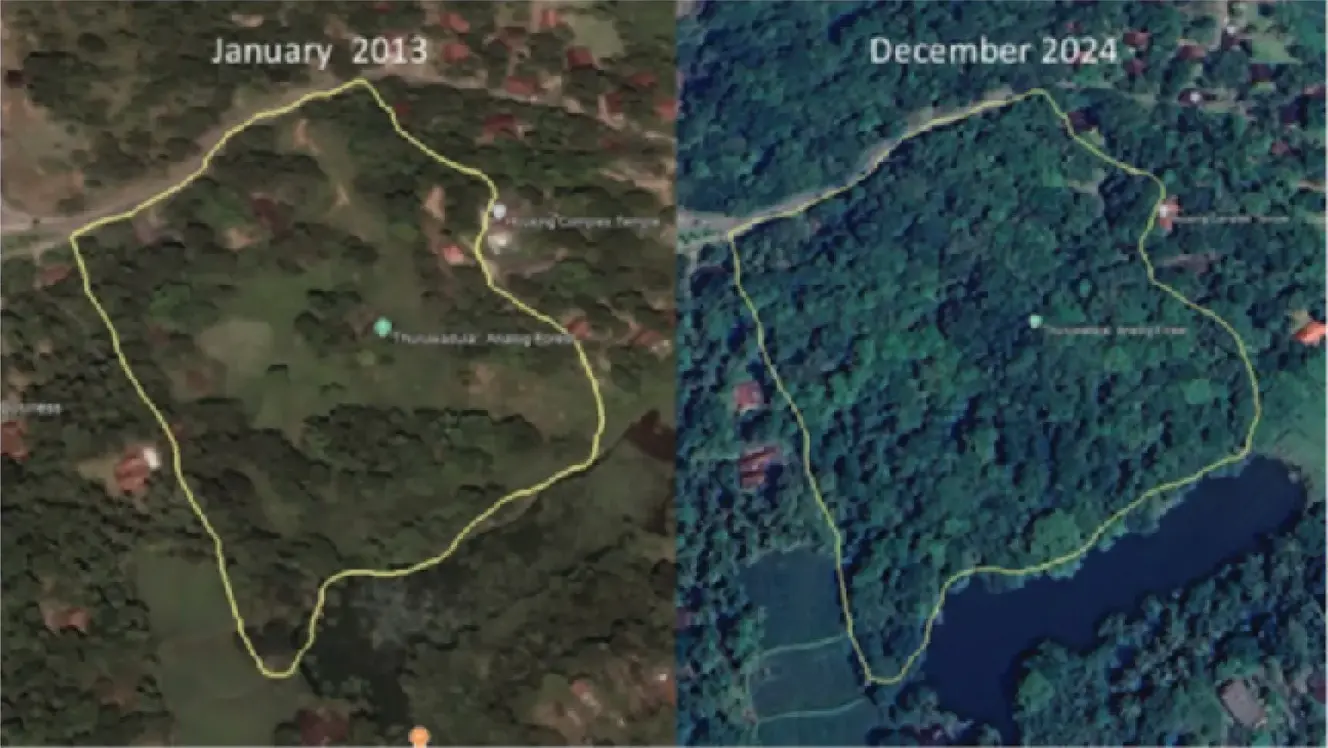
In 2013, the site comprised largely open land with sparse vegetation. Through the introduction of native species and natural succession processes, the area has evolved into a structurally complex analog forest ecosystem.
Today, the site reflects key characteristics of a natural forest, demonstrating how restoration within industrial environments can yield meaningful biodiversity outcomes over time.
Target Species & Key Biodiversity Indicators
107
Total species
18
Endemic
6
Nationally threatened
4
Globally threatened
6 taxonomic groups spanning mammals, birds, reptiles, amphibians, butterflies, and odonates, with the following notable species identified:
- Golden Palm Civet (Endemic; Endangered)
- Purple-faced Langur (Endemic; Critically Endangered globally)
- Sri Lankan Paint Brush Swift butterfly (Endemic; Critically Endangered)
- Pale-faced Forest Skimmer (Endangered)
- Indian Pangolin (Endangered globally)
Research and Implementation Partners:
Dr. Sanjaya Weerakkody
BSc (Zoology), PhD (Evolutionary Ecology)
Researcher
Vimukthi Gunasekara
BSc (Zoology), MSc (Applied Statistics)
Researcher
Ruchira Nethmina
BSc (Zoology) (Reading)
A multi-method field-based assessment was conducted to ensure comprehensive species documentation:
- Camera trapping (18-hour sampling effort)
- Small mammal trapping (5 nocturnal traps)
- Visual Encounter Surveys (day and night)
- Microhabitat searches for reptiles and amphibians
- Butterfly and odonate observations
- Serves as a sustained biodiversity refuge within an industrial setting
- Supports long-term conservation of endemic and threatened species
- Functions as a living laboratory for ecological research and monitoring
- Provides educational and awareness-building opportunities for schools and universities
- Build on assessment findings to develop a site-specific biodiversity management plan
- Establish long-term monitoring protocols to track ecosystem health and species trends
- Enhance habitat features to support key threatened and endemic species
- Expand the site's role in research collaborations and environmental education
Invasive Removal and Habitat Enrichment
Addressing Ecosystem Disruption
Addressing ecosystem imbalance particularly through invasive species management, is a critical component of maintaining biodiversity and restoring native habitats.
Invasive Alien Plant Species (IAPS) Removal – Lunugamvehera National Park, Sri Lanka
- Location:
- Lunugamvehera National Park, Sri Lanka
- Project Timeline:
- 2021 – 2025
- Area:
- 1,545 acres
Invasive alien plant species (IAPS) have significantly altered the grassland ecosystems within Lunugamvehera National Park, reducing habitat quality and limiting access to key foraging areas for wildlife. This initiative focused on reversing these impacts through the systematic removal and control of invasive species, enabling the restoration of native grasslands critical for elephants and other herbivores.
This vital work has contributed to the regeneration of native vegetation, improved foraging conditions, and strengthened overall habitat quality. It also supports broader biodiversity recovery and helps alleviate pressures associated with habitat degradation, including human–wildlife conflict, while reinforcing the long-term ecological functionality of the park.
MAS partners provided funding, monitoring, and evaluation, while the Federation of Environmental Organisations led on-ground implementation in collaboration with DWC.
MAS Active, MAS Intimates, MAS Kreeda, MAS Bodyline
Department of Wildlife Conservation, Federation of Environmental Organisations (FEO), Stretchline
Project Objectives
- Control and reduce the spread of Lantana camara and Eupatorium odoratum across 1,545 acres
- Restore native grasslands critical for elephants and other herbivores
- Improve habitat quality and support ecosystem recovery
Target Species
Removal of the following invasive species:
- Lantana camara (Gandapana)
- Eupatorium odoratum (Podi Singho Maran / Loka Paalu)
- Cycle 1Initial clearing in heavily invaded areas
- Cycle 2Follow-up clearing after 6 months to address regrowth
- Cycle 3Maintenance clearing 6–12 months later to suppress resurgence
Monitoring & Evaluation
- Continuous monitoring, documentation, and adaptive management across all cycles
- Tracking of regrowth patterns and effectiveness of interventions
- Total area cleared tracked through daily progress measurements
- Wildlife sightings recorded through observations and photographic evidence
- Regrowth monitoring conducted to assess long-term control effectiveness
Key Threats Addressed
Ecological Threats
- Dense invasive plant growth overtaking native grasslands
- High resilience of IAPS:
- – Tolerance to harsh climatic conditions
- – High seed production and long-term dormancy
- – Rapid regrowth from root fragments
- Loss of feeding grounds for herbivorous wildlife
Wildlife Impacts
- Reduced food availability leading to increased human–elephant conflict
- Decline in wildlife visibility within the park
Socio-Economic Impacts
- Reduced safari tourism value due to lower wildlife sightings
- Impact on local livelihoods dependent on tourism Images
- Significant reduction of invasive species across targeted areas
- Regeneration of native flora and grasslands
Biodiversity & Ecosystem Recovery
- Increased wildlife sightings following habitat restoration
- Reappearance of butterflies indicating ecosystem recovery
Socio-Economic Impact
- Supported livelihoods of 30–60 community members
- Strengthened collaboration between communities and park authorities
Ecosystem Services
- Improved habitat quality benefiting wildlife, tourism operators, and the Department of Wildlife Conservation
The project was successfully completed in 2025.
- The Department of Wildlife Conservation, together with the Federation of Environmental Organisations, will continue site maintenance
- Ongoing focus on sustaining invasive species control cycles and preventing re-establishment
- Continued monitoring to ensure long-term habitat recovery and stability
Aligned SDGs
Biodiversity Conservation in Action
Initiative: Wet Zone Leopard Conservation Project – Sri Lanka
The Wet Zone Leopard Conservation Project is a targeted biodiversity initiative focused on the protection of the endangered Sri Lankan wet-zone leopard, a species increasingly threatened by habitat loss, human–wildlife conflict, and limited ecological data.
Implemented in partnership with the Wildlife Conservation Society – Galle (WCSG), the project supports field-based research, ecological monitoring, and community engagement to strengthen conservation outcomes within Sri Lanka's wet-zone forests—one of the most biologically rich yet vulnerable ecosystems in the country.
The initiative enables the scientific tracking of leopard populations, including habitat use and movement patterns, while also supporting the identification of critical habitat corridors. These insights contribute to more informed conservation planning and targeted interventions.
Alongside research, the project places strong emphasis on community-based conservation, working with local communities to build awareness, reduce human–wildlife conflict, and promote coexistence. This includes education programmes and engagement efforts aimed at strengthening local stewardship of biodiversity.
MAS Intimates
Wildlife Conservation Society– Galle
- Supports conservation of an endangered endemic species
- Enables scientific monitoring and data generation for conservation planning Identifies key habitat corridors and ecological patterns
- Strengthens community awareness and coexistence efforts
- Contributes to long-term protection of wet-zone ecosystems

Recognition:
Best Sustainability Project Award 2025
Awarded by the Chamber of Commerce Sri Lanka
Aligned SDGs
The MAS Fabric Park Sustainability Ecosystem
The MAS Fabric Park (MFP) operates a comprehensive sustainability ecosystem focused on circularity and resource efficiency, featuring an in-house water treatment and wastewater management network that handles up to 9,000 m³/day and 8,500 m³/day respectively, meeting over 60% of the group's total requirements.
The facility significantly reduces environmental impact by sustainably processing nearly 100% of the Group's textile sludge through solar and biomass drying, subsequently using a 17-ton multi-fueled boiler for controlled co-incineration to produce “ECO Bricks” from residual ash and slag.
These efforts are bolstered by an ISO 17025 accredited quality assurance lab, Sri Lanka's first industrial-scale composting project with a capacity of 2,000 tons annually, and a 22.84 MW solar installation (Photon Phase I and II) that generates 29 GWh of clean energy, effectively cutting annual carbon emissions by 13,456 tons of CO₂.
- Water treatment: In-house water treatment and wastewater management network that handles up to 9,000 m³/day
- Boiler co-incineration: Using a 17-ton multi-fueled boiler for controlled co-incineration
- Textile sludge management: Sustainably processing nearly 100% of the Group's textile sludge through solar and biomass drying
- Wastewater treatment: Wastewater management network that handles up to 8,500 m³/day
- Laboratory assurance: ISO 17025 accredited quality assurance lab
- Composting: Sri Lanka's first industrial-scale composting project with a capacity of 2,000 tonnes annually
- Solar installation: 22.84 MW solar installation Generates 29 GWh of clean energy
- ECO Bricks: Produce “ECO Bricks” from residual ash and slag

Group requirement supported
Meeting over 60% of the Group's total requirements

Carbon reduction
Cutting annual carbon emissions by 13,456 tonnes of CO₂
Inhouse Water Treatment and Distribution
- The MAS Fabric Park (MFP) operates Sri Lanka's largest private-sector in-house water treatment plant, sourcing raw water from the source Maha Oya which has a catchment area of about 1,538 km².
- The facility is designed to support large-scale apparel and textile operations within the MFP with a strong focus on sustainability and efficiency. It currently operates at a capacity of 9,000 m³/day.
- The treatment plant plays a critical role in supplying approximately 65% or more of the MAS Group's total water requirement, highlighting its strategic importance within the organisation.
In-House Wastewater Management and Disposal
- MAS Fabric Park operates Sri Lanka's largest combined chemical and biological centralised wastewater treatment plant, reinforcing its commitment to sustainable industrial practices and environmental compliance.
- The facility is designed to efficiently manage complex textile wastewater streams and currently handles approximately 60% of the MAS Group's total textile wastewater volume, making it a critical component of the organisation's environmental infrastructure.
- The plant has a current treatment capacity of 8,500 m³/day, with an approved discharge capacity of up to 14,000 m³/day.
- As part of the final stage of treatment, a surface flow wetland is maintained prior to discharge as a polishing stage.
BEPZ Solar Dryer Facility – Sustainable Textile Wet Sludge Management
- The BEPZ Solar Dryer Facility represents a forward-thinking initiative in sustainable industrial waste management.
- Designed to address the challenges associated with high-moisture industrial sludge, the facility utilises renewable energy to significantly reduce waste volume while minimising environmental impact.
- Concentration of solar radiation energy within a thermodynamically controlled greenhouse improves the de-watering speed of wet textile sludge whilst providing adequate aeration.
- The BEPZ Solar Dryer Facility was established to reduce sludge volume through efficient moisture removal, with 1,600 tons of input getting reduced down to 600 tons of dried sludge annually.
Biomass Management and Boiler Operation
- MAS Fabric Park continues to strengthen Sri Lanka's industrial sustainability landscape through innovative and environmentally responsible steam generation practices that support its large-scale fabric manufacturing operations.
- Producing over 300 tonnes of steam daily, the facility operates using nearly 90,000 kg of sustainable biomass fuel per day, supported by a continuously managed biomass storage capacity exceeding 6,000 tonnes.
- Today, pulverised textile dyeing sludge is co-incinerated with biomass in specially designed hybrid boilers under controlled conditions approved by the Central Environmental Authority (CEA), significantly reducing landfill disposal while recovering valuable thermal energy.
- Complementing these initiatives is the “Prithivi” self-growing biomass program, established to create a standardised and carbon-neutralising Gliricidia cultivation framework.
Compost Project
Value Enhancement of Organic Wastes
- The MAS Fabric Park's Centralised Effluent Treatment Plant, operated under the Hydro & Environmental Department, has a treatment capacity of 8,500 m³/day and generates biological sludge as a by-product of the biological treatment process.
- MFP established the first large-scale composting system pioneered within Sri Lankan Industrial Processing Zones by utilising biological sludge from the CETP as the primary raw material for compost production.
- The facility was developed using imported machinery and is designed with an annual production capacity of approximately 2,000 tons.
- This pioneering initiative supports a circular economy approach by converting waste into a value-added product that enhances soil quality while ensuring zero disposal of bio-sludge waste.
- The treatment plant plays a critical role in supplying approximately 65% or more of the MAS Group's total water requirement, highlighting its strategic importance within the organisation.
Water & Environmental Laboratory
- Censura Laboratory Services is accredited under ISO/IEC 17025:2017 and registered with the Central Environmental Authority of Sri Lanka as a professional laboratory in Environmental Assessments.
- The laboratory ensures high levels of accuracy and reliability through participation in both local and international proficiency testing programs, as well as inter-laboratory comparisons.
- Censura Laboratory Services plays a vital role in safer water management by continuously monitoring drinking water quality, enabling the timely identification and correction of any parameter deviations.
- In the area of wastewater management, the laboratory ensures compliance with local regulatory requirements while aligning with international standards such as UNGC and ZDHC.
MAS Fabric Park – Solar PV Initiative: The Project Photon
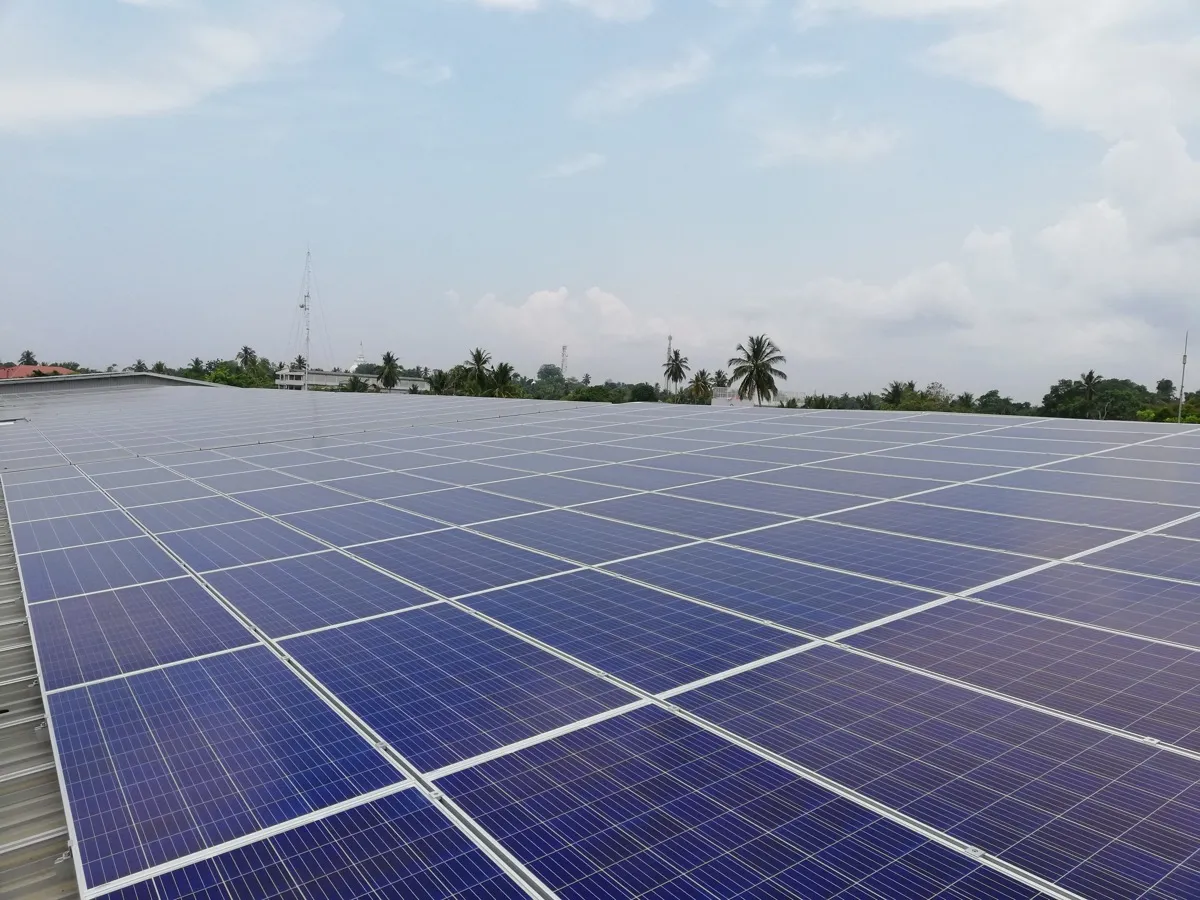
- MAS Fabric Park has implemented Project Photon, a large-scale rooftop solar photovoltaic initiative, as a cornerstone of its renewable energy and decarbonisation strategy.
- Photon Phase 01 and Phase 02 together delivers a total installed capacity of approximately 23 MW, comprising rooftop solar PV systems deployed across 19 MAS manufacturing facilities.
- The combined solar installations generate an estimated 29 GWh of renewable electricity annually, contributing to approximately 11% of the MAS Group's total electricity demand, while supplying up to 18% of MAS Fabric Park's daytime power requirements.
- From a climate impact perspective, Project Photon achieves an annual carbon footprint reduction of approximately 13,456 tonnes of CO₂.
Sustainable Management of Textile Sludge at MAS Fabric Park
- The global textile industry faces increasing challenges in sustainably managing hazardous waste, particularly textile sludge generated from effluent treatment processes.
- Addressing this critical environmental issue, MAS Fabric Park has pioneered an innovative closed-loop solution, the ECO Bricks Initiative.
- Developed through extensive in-house research and innovation, this initiative represents a landmark achievement in zero hazardous waste to landfill, resource recovery, and circular economy practices within Sri Lanka's textile sector.
- The treatment process generates approximately 10,000 tonnes of wet textile sludge annually, characterised by high moisture content and regulated hazardous components.
- The ECO Bricks Initiative delivers tangible environmental and financial benefits, including zero hazardous textile sludge sent to landfill, elimination of approximately 110,000km of heavy truck transportation per year, GHG emission reductions through avoided landfill disposal and reduced external hauling, and production and utilisation of ECO Bricks for in-house construction projects.
Re-using with Purpose
The R&B Project and MAS Boutique
Re-using is the ethical choice. MAS BPU embarked on a sustainable initiative to create a people and climate-positive drive, establishing a pathway for excess fabric to be upcycled and re-used, thereby avoiding waste.
Our objective is to encourage business teams at MAS to create awareness on the importance of sustainability and re-use among the brands they work with, by using upcycled fabrics for their various production needs. We also support SMEs by allowing them to select and purchase fabrics for their productions, while helping to uplift and enhance their ventures.
MAS Boutique is BPU's staff sales outlet, which sells excess stock lot garments received by plants with brand approvals at a discounted rate for MAS' own employees. Additionally, in order to give new life and prevent waste, BPU started using excess fabrics received from plants to produce and provide its customers with a variety of products, ranging from essentials to fashion styles such as kids', women's and men's clothing. In doing so, this allows us to further promote sustainability and re-use.

Re-use and waste reduction
Creates a pathway for excess fabric to be upcycled and re-used, avoiding waste.

Brand awareness
Encourages MAS business teams to create awareness on sustainability and re-use among the brands they work with.

SME support
Enables SMEs to select and purchase fabrics for their productions, while supporting the upliftment of their ventures.

Employee access
Offers excess stock lot garments to MAS employees through MAS Boutique at discounted rates.

Product upcycling
Gives new life to excess fabrics through essentials and fashion styles, including kids', women's and men's clothing.

Water and carbon savings
Supports water and carbon emission savings through the upcycle of fabric.
 Excess FabricExcess fabrics received from plants
 UpcyclingUpcycling excess fabrics into a variety of new products
 SME SalesEnabling SMEs to select and purchase fabrics for their productions
 MAS BoutiqueOffering excess stock lot garments to MAS employees at discounted rates
 New ProductsEssentials and fashion styles for kids', women's and men's clothing
Impact
Reduced waste
Less waste sent to landfill
Water savings
Conserving precious resources
Carbon savings
Lower carbon emissions