
Lives · World-Class Workplaces
Creating Safe, Resilient, and High-Performing Environments
At MAS, building world-class workplaces is not simply about occupational safety — it also encompasses fostering a culture where employees feel secure, valued, and empowered to perform at their best. Our approach integrates strong occupational health and safety systems, continuous capability development, employee wellbeing initiatives, and a culture grounded in ethics, engagement, and open communication. By embedding these elements across our operations, we create environments that support both operational excellence and long-term employee wellbeing.
Our Approach to World-Class Workplaces
The following priorities collectively enable safe, healthy, and high-performing work environments across our operations:
Strengthening occupational health, safety, and preventive care through robust systems, risk management, and employee-focused health initiatives.
Maintaining uninterrupted operations through structured escalation mechanisms, Group-wide problem solving, and coordinated crisis response across the enterprise.
Driving consistency and compliance through policy development, process standardisation, and enterprise-wide governance frameworks across the employee lifecycle.
Embedding formalised consultation mechanisms, digital tools, and feedback platforms to capture employee sentiment and strengthen organisational responsiveness.
Ensuring Employee Health and Safety
At MAS, our commitment to health and safety extends beyond compliance, with a continued focus on building safe, resilient, and high-performing workplaces. Our approach integrates robust management systems, strong governance structures, and active employee participation, enabling us to sustain a culture where safety is embedded in everyday operations.
During the year, we continued to strengthen our alignment with globally recognised standards. Multiple SBUs maintained ISO 45001 certification, while our broader safety performance was recognised through 10 Gold Awards at the RoSPA Health and Safety Awards 2025. In particular, MAS Shadeline was recognised as "Highly Commended" at the RoSPA Awards, ranking second globally in the manufacturing sector, placing it among the top-performing organisations worldwide.
The nine RoSPA Gold Awards were received across MAS facilities in Sri Lanka, Jordan, and Indonesia, reflecting consistent safety performance across our global operations. MAS KREEDA also achieved Gold (Proactive Level) under the IOSH Business Assurance Certification, reflecting the maturity of our occupational health and safety management systems and practices.
Be first-in-class for working conditions in our industry.
Achievements
0
H&S Committee members
0
additional H&S point-persons engaged
0
H&S-related committee meetings
0
specialised H&S trainings
0
total H&S trainings conducted
0
total training exposure
RoSPA Health and Safety Awards 2025
10
Gold Awards across the Group
- ISO 45001 certified across multiple SBUs
- Highly Commended Award Winner, Ranked 2nd Globally in the Manufacturing Sector
- IOSH Business Assurance Certification
- Globally benchmarked standards aligned with internationally recognised OHS frameworks
We recorded strong improvements in safety performance during the year:
0%
in hazard reporting and OHS suggestions
0%
in near-miss Kaizen reporting (25,349 total)
0%
H&S Kaizens received
0%
H&S Kaizens actioned
0%
Near-misses reported (17,660 total)
0%
Near-misses actioned (13,949 cases)
0%
of reported near-misses actioned, reflecting stronger accountability and closure discipline
0%
in specialised hazard/risk-based H&S trainings (vs. 2024)
This improvement demonstrates a maturing, proactive safety culture where employees actively identify risks and contribute to continuous improvement. Increased reporting reflects stronger frontline engagement and earlier risk detection, reinforcing MAS' Kaizen-driven approach to safety.
This focus on accountability and timely action is further evidenced by the improved closure rates of reported near-misses and an increased investment in targeted, hazard-based training.

Health & Safety at MAS
Hazard Management and Context
MAS adopts a systematic and proactive approach to identifying, assessing, and managing occupational safety and health risks across its operations, with a focus on preventing work-related injuries and ill-health and enhancing employee wellbeing. This approach is aligned with ISO 45001 and supported by leadership, integrated systems, employee participation, and continuous monitoring mechanisms.
- Engineering Controls: Ergonomic workstation redesign, improved ventilation, and equipment modifications
- Administrative Controls: Job rotation, fatigue management programmes, and standardised operating procedures
- Training and Awareness: Targeted training on hazard recognition and safe work practices
- Monitoring and Surveillance: Continuous tracking, health surveillance, and periodic reassessment of risks
- Ergonomic strain from repetitive tasks, manual handling, and prolonged postures
- Exposure to chemicals, noise, heat, and other workplace environmental conditions
- Fatigue and psychosocial stressors arising from operational demands
- Formal risk assessments and workplace inspections across operations
- Ergonomic evaluations and health surveillance programmes
- Incident and ill-health reporting systems, supported by employee feedback mechanisms
- Periodic internal audits aligned with ISO 45001 requirements
The health and safety data presented within this report includes all employees and workers across MAS operations, with no exclusions applied.
0
Lost time injuries
0
Lost man-days
0
Road-related injuries
0
Road-related lost days
0
Fatality
0.0
Non-employee lost man-days
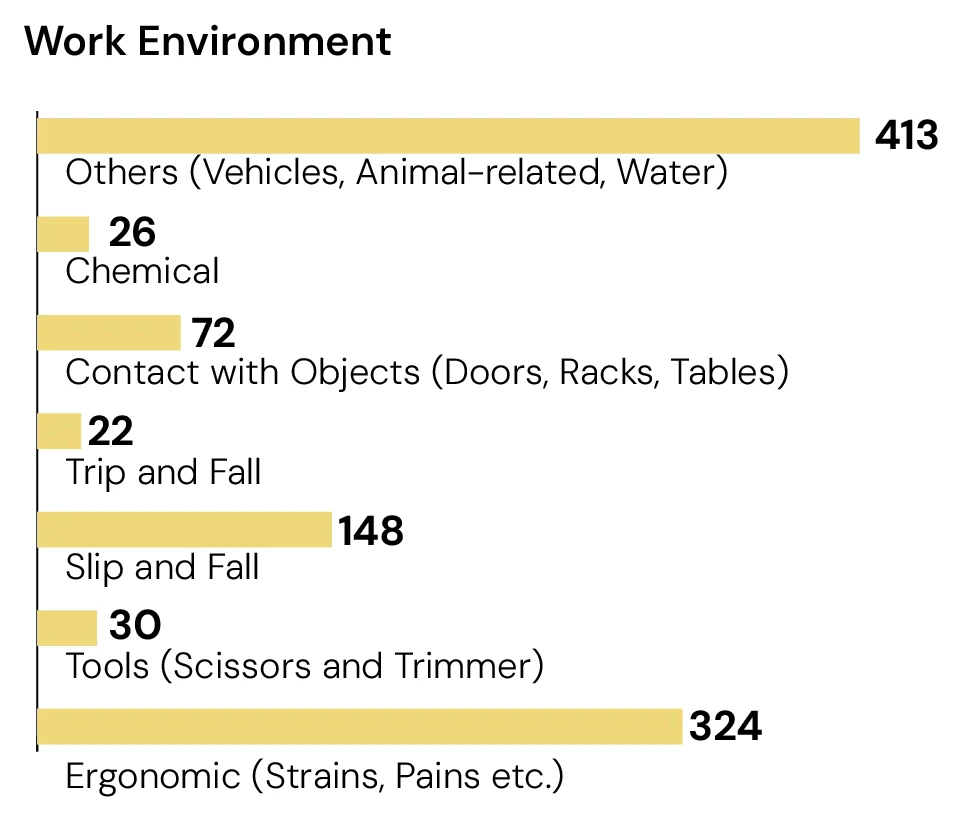
Ergonomic-related risks and tool-related incidents continue to represent the largest share of injuries, highlighting key focus areas for targeted interventions. Slip, trip, and fall incidents remain consistent, while vehicle and environment-related risks also contribute significantly to overall incident distribution. Continued focus on preventive controls, targeted interventions, and commuter safety initiatives is expected to further reduce incident frequency and severity over time.
Governance and Participation
A robust governance framework ensures oversight and accountability across all levels of the organisation. At Group level, safety performance and strategic priorities are reviewed regularly, while divisional and SBU-level teams monitor performance indicators, implement initiatives, and track progress against defined targets.
Employee participation remains central to this approach. Dedicated mechanisms such as H&S committees and workplace engagement platforms enable employees to raise concerns, contribute solutions, and actively participate in strengthening safety practices across operations.
Capability and Systems
Safety performance is underpinned by continuous capability building and system enhancements. Robust training programmes cover both specialised and general safety aspects, thereby equipping employees to identify risks and adopt safe practices in their daily roles. During the year, specialised hazard and risk-based training rose by 62% compared to 2024, with the aim of enhancing employee capability in managing high-risk areas like electrical safety chemical handling and operational hazards.
Simultaneously, MAS is strengthening safety systems and infrastructure, including improvements to monitoring reporting and response mechanisms. This enables more effective risk identification and management across facilities.
Refer Disclosure of Management of Material Topics for more details on governance and oversight mechanisms
Injury & ill-health data
Measuring, comparing and communicating safety performance
Work-Related Injury Data
- Fatality Rate
- 1per 100,000 hours
- Recordable Injury Rate
- 47.26per 100,000 hours
- Total Number of Hours Worked
- 175,038,526.57
Work-Related Ill-Health Data
- Number of Fatalities
- 0
- Recordable Ill-Health
- 118
Work-Related Injury Data
- Recordable injuries
- 9
- Injury rate
- 0.07
- Total Number of Hours Worked
- 122,212,848
Work-Related Ill-Health Data
- Number of Fatalities
- 0
- Recordable Ill-Health
- 11
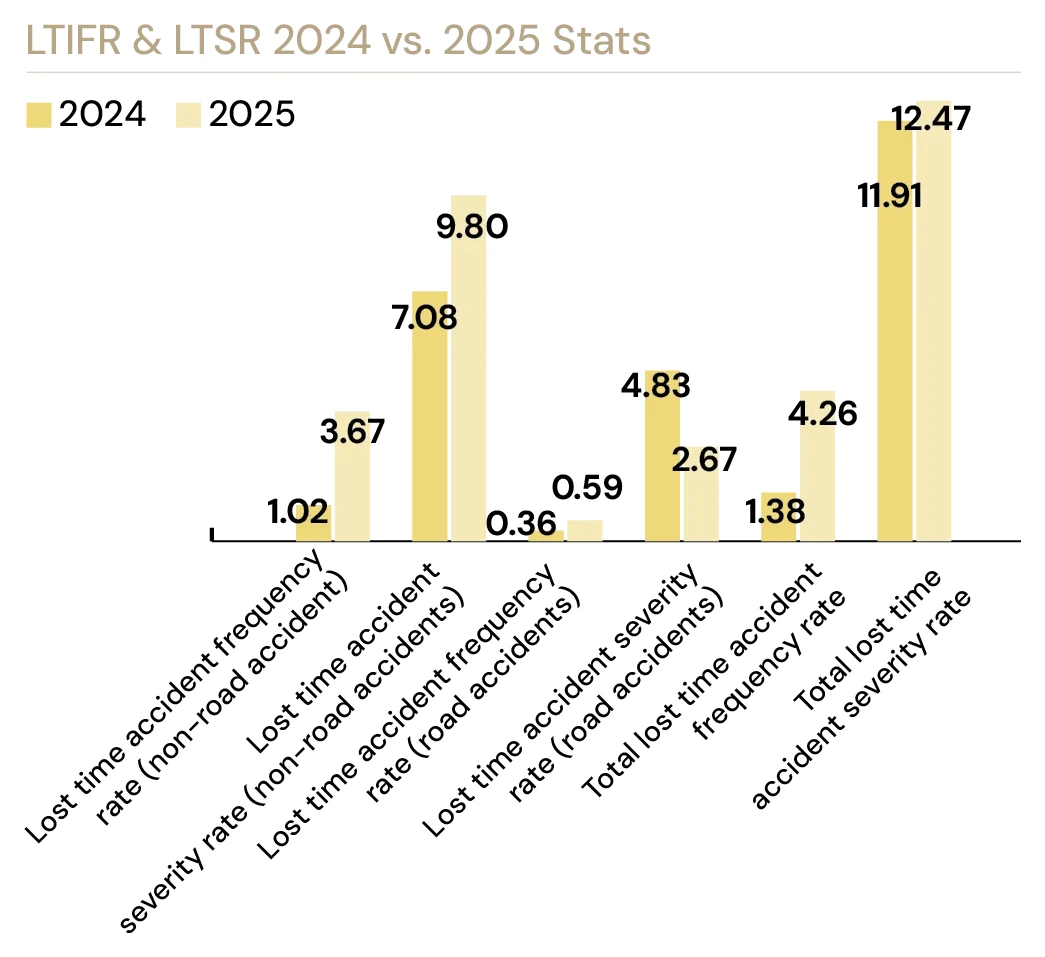
| Category | 2024 | 2025 |
|---|---|---|
| Lost time accident frequency rate (non-road accident) | 1.02 | 3.67 |
| Lost time accident severity rate (non-road accidents) | 7.08 | 9.80 |
| Lost time accident frequency rate (road accidents) | 0.36 | 0.59 |
| Lost time accident severity rate (road accidents) | 4.83 | 2.67 |
| Total lost time accident frequency rate | 1.38 | 4.26 |
| Total lost time accident severity rate | 11.91 | 12.47 |
- Access to policies, procedures, KPIs, and performance data
- Shared through intranet platforms, reports, displays, and notices
- Reinforced through training, awareness sessions, and newsletters
- Townhalls, quizzes, and focused group discussions
- Continuous awareness programmes across facilities
- Platforms enabling two-way communication and feedback
- Quality circles and problem-solving forums
- Employee involvement in identifying and resolving OSH issues
- Strengthening understanding of workplace risks and controls
- Members selected through independent employee elections
- Clearly defined roles, responsibilities, and authority
- Monthly meetings with management participation
- Continuous review and resolution of concerns and suggestions
- Internal divisional audits
- Post-training evaluations
- Periodic engagement assessments including quizzes and feedback
Health and Safety Training
Building capability across the workforce
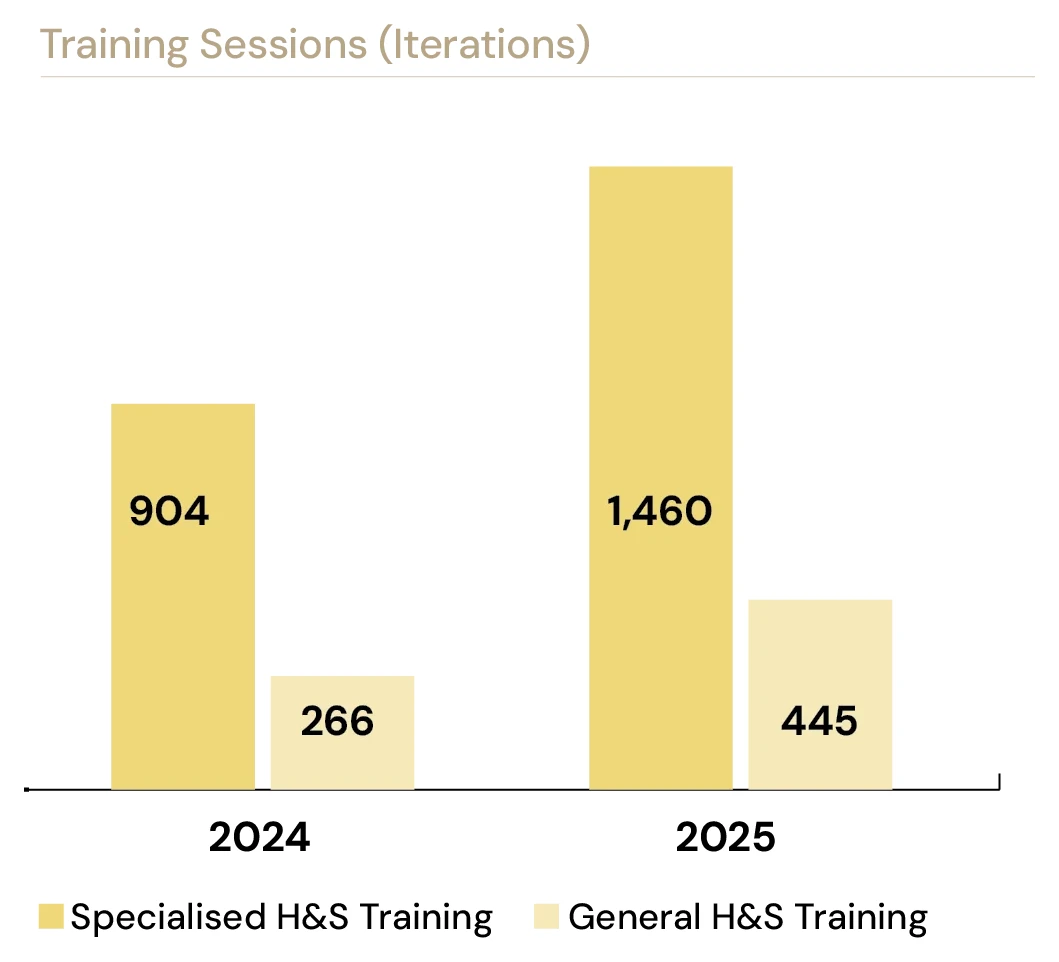
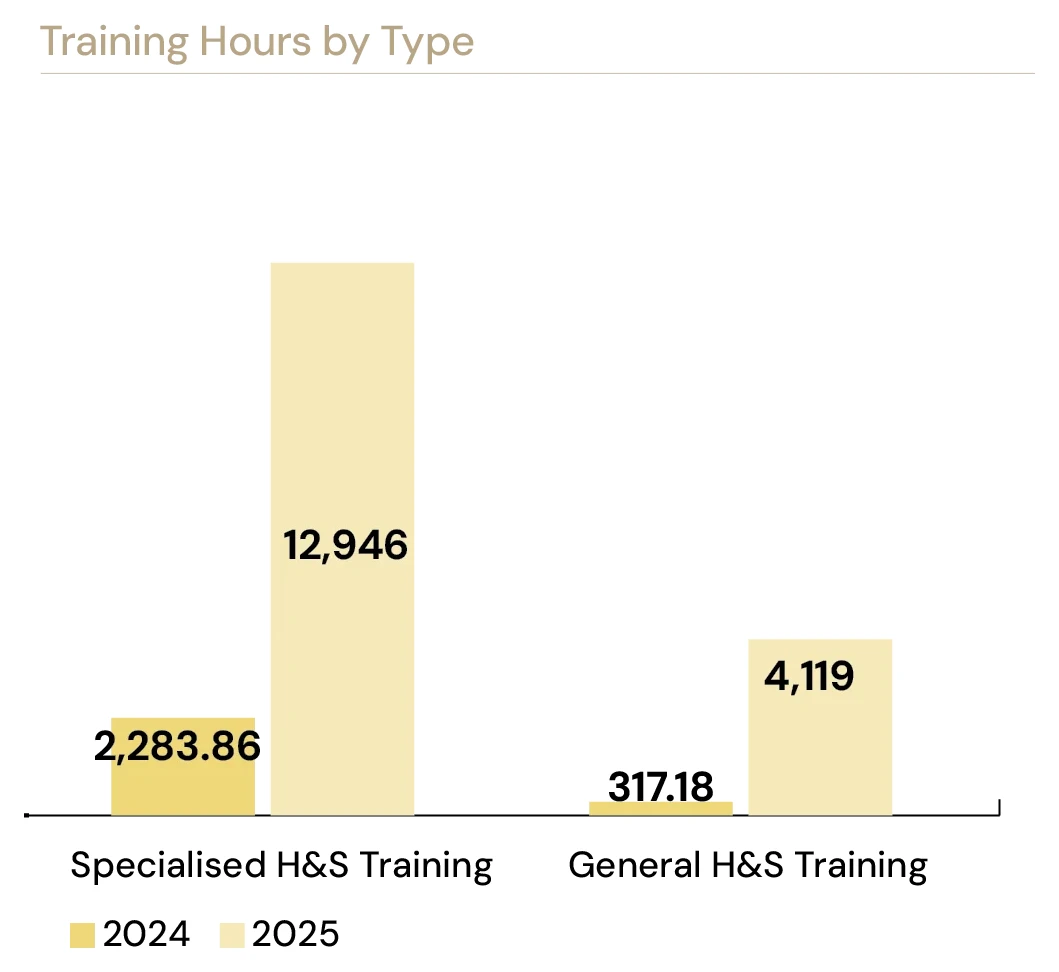
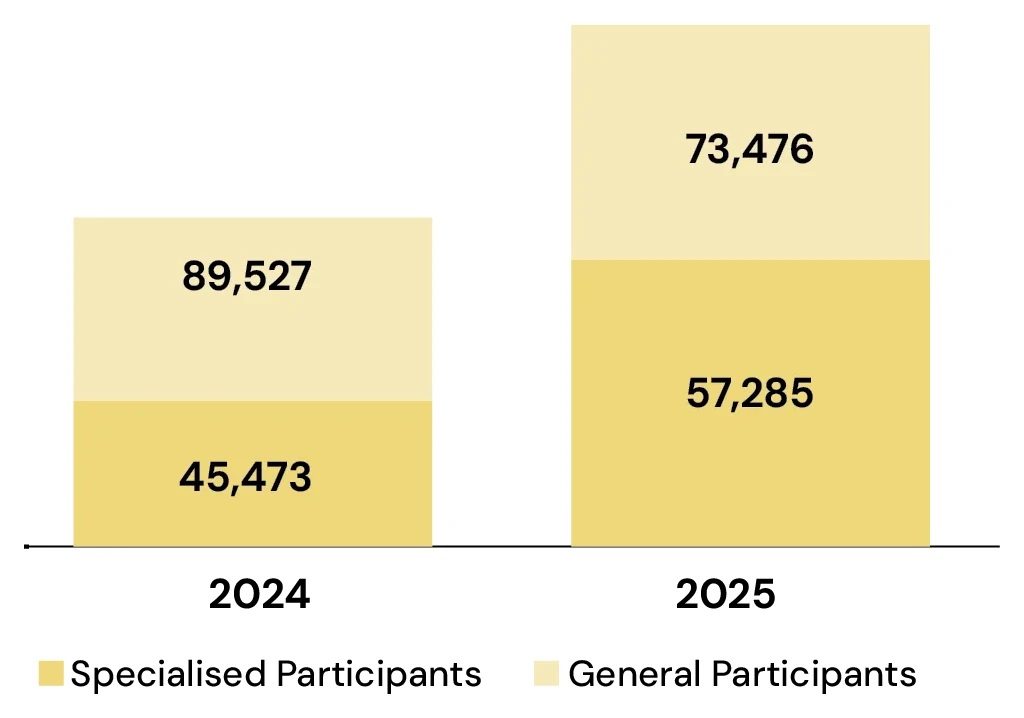
- 57,285participants
- 26%
- 12,946hours delivered
- 467%
- 1,460sessions conducted
- 62%
- 73,476participants
- 18%
- 4,119hours delivered
- 1,199%
- 445sessions conducted
- 67%
Targeted Interventions
In addition to system-level improvements, MAS also initiated targeted programmes to address emerging risk areas.
A key focus area during the year was commuter safety, where pilot initiatives were introduced to strengthen transportation safety through enhanced monitoring and control mechanisms. These pilots are being evaluated for broader rollout across the organisation.
Enhancing Transport Safety Through Structured Controls
The Commuter Safety Programme at MAS Shadeline focuses on improving transportation safety through effective journey planning, monitoring, and driver and passenger practices, enabling a more proactive approach to managing road-related risks.
Journey Planning and Risk Assessment
- Established journey planning processes covering routes, travel time, rest breaks, and advance communication of destinations
- Conducted risk assessments for all routine and ad hoc journeys
- Integrated risk-based controls, including section-wise speed limits, into GPS monitoring systems
Fatigue Management
- Introduced mandatory rest breaks and dual-driver deployment for journeys exceeding eight hours
Safety Communication and Awareness
- Deployed multilingual safety briefings for passengers at the start of journeys and on a regular basis for routine routes
Driver Governance and Monitoring
- Improved driver controls through license verification and competency checks
- Enhanced GPS-based speed monitoring (including GPS logs) and geofencing aligned with defined route risk assessments
- Implemented weekly driver performance monitoring and monthly journey compliance reporting
Reporting and Continuous Improvement
- Enabled passenger reporting mechanisms for safety violations and improvement suggestions
- Strengthened change management controls for route and schedule deviations, with documented approvals and communication protocols
2025 Focus: Strengthening Health Risk Visibility
In 2025, MAS expanded its focus beyond traditional safety metrics to strengthen visibility of occupational health risks.
While existing systems have been effective in tracking accidents and leading indicators, the year highlighted the need to improve the capture of ill-health-related data, particularly non-lost-time cases that were not consistently reported at ground level.
In response, we initiated improvements to:
- Strengthen data capture and reporting of ill-health cases
- Enhance visibility into non-lost-time health impacts
- Improve consistency of health-related data across operations
These efforts build on existing practices, including workplace condition monitoring (such as exposure to chemicals and noise), bio-monitoring and medical surveillance, and ongoing evaluation of ergonomic risks.
This shift enables a more comprehensive understanding of workplace health risks, supporting earlier identification of issues and more proactive intervention.
How We Have Evolved…





From Compliance
Establishing strong governance frameworks, certifications, and standardised safety processes
To Culture
Embedding proactive safety practices through employee participation, hazard reporting, and shared accountability
To Health and Wellbeing (2025)
Expanding focus beyond incidents to include ill-health monitoring, prevention, and long-term employee wellbeing
Nurturing employee health and wellbeing
MAS continues to elevate employee health through targeted interventions that promote preventive care, early detection, and overall wellbeing. Recognising that employee health is critical to sustaining productivity and long-term performance, the organisation adopts a proactive approach that integrates medical support, awareness, and accessibility.
Expanding access to preventive healthcare
During the year, MAS expanded its health outreach through Health and Wellness Camps, providing employees with access to essential medical services. These included diagnostic testing, consultations, and awareness sessions covering cardiovascular health, metabolic conditions, and general wellbeing—supporting early identification of risks and timely intervention.
Supporting mental health and wellbeing
Mental health continues to be a key priority. The MAS–Sumithrayo Hotline, now in its third year, provides confidential access to professional counselling services for over 70,000 employees, supported by in-person consultations across multiple locations. This ensures employees have access to timely and holistic mental health support.
Strengthening vision care
MAS further enhanced its focus on employee wellbeing through vision screening programmes, supporting employees in identifying and addressing vision-related concerns, contributing to both wellbeing and workplace safety.
70,000+
employees covered through mental health support services
Enabling Operational Continuity and Responsiveness
MAS leverages a centralised execution function that connects teams across divisions, drives accountability, and resolves cross-functional challenges. This ensures aligned execution, strong governance, and consistent delivery of business objectives across the organisation.
To ensure the continual running of our business, MAS relies on a robust Operational Connect framework that enables timely escalation, coordinated problem-solving, and consistent responsiveness across business units. A Group-level HR Operational Connect platform brings together HR Operations leads across divisions to address cross-cutting challenges, align on priorities, and share best practices. This forum supports consistent execution, strengthens coordination, and enables a unified "One MAS" approach across business units.

Escalation Across Levels
At the shop-floor level, dedicated Employee Relations (ER) representatives support day-to-day operations, addressing concerns related to employee grievances, either individual or collective and workplace conditions. Issues are escalated through a defined hierarchy across plant, divisional, and Group levels, ensuring clear resolution pathways and accountability at each stage. Escalation protocols are supported by documented processes and defined ownership across governance layers. In addition, as a secondary level of escalation, Group-wide plant visits are conducted by senior management to better understand the shop floor's ground situation, ensuring that employees' concerns, grievances, issues, and feedback are carefully considered and addressed. To further fortify these measures MAS practices an open-door policy where employees are freely able to access the leadership in order to address and resolve any concern or grievance they may have.

Crisis response in action
Crisis preparedness is supported through structured disaster management frameworks encompassing scenario identification, shop-floor communication protocols, and coordinated response planning to minimise operational disruption and safety risks. In addition, MAS has partnered with the Asia-Pacific Alliance for Disaster Management (APAD) to strengthen natural disaster readiness by accessing comprehensive weather forecasts, thereby enabling timely preparedness measures across its operations.
The effectiveness of this approach was demonstrated during Cyclone Ditwah, where coordinated interventions supported:
6,000+
employees and families
857
homes rehabilitated or supported
Proactive measures including early risk identification, clear communication, and distribution of essential support enabled MAS to maintain operational continuity while prioritising employee wellbeing.

Employee–management interface
Formal mechanisms such as the Joint Consultative Committees (JCCs) and Employee Representative Bodies (ERBs) enable structured dialogue between employees and management. These are aligned with the principles of freedom of association under ILO Convention 135, with representatives democratically elected by employees on an annual basis. JCC/ERB meetings are conducted monthly with employee representatives.
Discussion points and action items are systematically tracked, with documented minutes certified and shared to ensure transparency, accountability, and timely resolution of concerns. These forums serve as vital platforms for consultation, issue resolution, and workplace engagement, supporting productivity, employee wellbeing, and operational stability.

Real-time visibility through digitisation
Operational responsiveness is strengthened through the digitisation of operational data and the establishment of robust data-capturing mechanisms. These functions enable real-time visibility into shop-floor dynamics, employee sentiment, health and safety performance, and recruitment trends through platforms such as ERB/JCC dashboards, disaster response dashboards and recruitment portals, thereby supporting data-driven decision-making across business units.
Further details on MAS' divisional management, monitoring and escalation mechanisms are provided in the DMMT section.
Strengthening Governance, Systems and Standardisation
Our focus is on enhancing and establishing robust governance mechanisms to support increasing scale and operational complexity, through structured frameworks, standardised processes, and system-driven oversight. This approach ensures consistency across business units while maintaining the flexibility required to respond to diverse regulatory and stakeholder-related expectations across geographies.
HR Advisory: Enabling Compliant and Consistent People Practices
The HR Advisory function serves as a central hub for expert guidance on employment and labour law at Group level. It supports the development and implementation of policies that standardise labour practices across the Company's divisions, ensuring alignment with regulatory requirements and organisational expectations.
The function also provides legal advisory support for key initiatives, including manufacturing consolidation efforts, working closely with internal and external stakeholders to address potential complexities. Through this proactive approach, HR Advisory plays a critical role in supporting effective problem-solving, strengthening legal adherence, and safeguarding both the organisation and its employees during periods of change.
Standardising how we operate
MAS has strengthened consistency across operations through a focused approach to standardising, modernising, and digitising key people processes. This includes digitising Employee Lifecycle Management (ELM) processes, covering critical stages such as onboarding, transitions, exit, and retirement. In parallel, policies continue to be developed and refined to address emerging risks particularly in areas relating to labour practices and workforce protection ensuring alignment with evolving expectations.
Key initiatives included the standardisation of the Team Member Letter of Appointment (LOA), clarification of Fixed-Term Contract (FTC) transition processes, and alignment of employee lifecycle governance across onboarding, confirmation, and exit stages.
Policy and system enhancements also included the introduction of a standardised designation structure for outsourced personnel, improving ergonomics survey participation, and streamlining employee exit protocols to ensure consistency in transitions.
Enabling consistency through systems and forums
To support consistent interpretation and application of requirements, MAS has established compliance forums that facilitate knowledge sharing across business units. These platforms enable alignment across diverse customer expectations and regulatory environments, while system-enabled monitoring provides visibility into compliance and operational performance, supporting more informed and timely decision-making.
Oversight and accountability
Governance is reinforced through a multi-tier structure, enabling both strategic alignment and operational accountability.
At Group level, oversight and policy direction are defined, while divisional teams provide monitoring and coordination across business units. At the SBU level, implementation and performance tracking ensure that standards and requirements are effectively embedded within day-to-day operations.
Governance is further strengthened through clear role definition across Group, divisional, and SBU levels, ensuring policy direction, monitoring, and implementation are effectively coordinated.
Oversight extended to initiatives such as the voluntary Flood Relief Fund, reflecting a structured and proactive approach to ensuring compliance and governance across employee-related programmes.
Culture and Ethics
At MAS, culture is strengthened through a structured listen–act–reinforce cycle, enabling employee feedback to inform priorities, guide action and sustain desired behaviours across the organisation.
Insights from the Group-wide Pulse Check and leadership engagements informed key focus areas for 2025, ensuring that employee perspectives are systematically captured and understood.
These insights are translated into culture roadmaps, combining Group-wide priorities with division-led initiatives. With strong execution across divisions, feedback is converted into measurable outcomes.
Leadership accountability and recognition mechanisms strengthen culture on an ongoing basis. Feedback through the Leadership Survey and programmes support continuous improvement, while recognising employees who drive positive impact reinforces desired behaviours. Another effort to reinforce the required leadership behaviours and mindsets to build empathetic and effective team environments was the Team Care training programme, delivered across the organisation. This further reinforced the organisation's renewed emphasis on leadership capability while strengthening ownership and accountability among leaders.
Our Purpose serves as a shared reference point, helping employees understand their contribution, guide everyday decisions and bring the MAS ethos to life.
During the year, MAS continued to embed its Purpose through dedicated workshops and digital learning platforms. These initiatives help employees connect organisational intent with personal meaning and role-level relevance, while reinforcing Purpose across key employee touchpoints from onboarding to everyday work processes.
Purpose Workshop Rollout Completion by End-2025
94%
Executive and above cadre
95%
Staff and Team Members
Empowering Employee Voice and Engagement
MAS enables employee voice through established grievance reporting channels and robust handling processes, ensuring that concerns can be raised safely and addressed in a fair, transparent, and consistent manner across the organisation. These mechanisms are supported by representative forums and aligned with internationally recognised principles on worker representation, ensuring legitimacy through democratic participation and transparent consultation processes.
Grievance Reporting
MAS has established a comprehensive and accessible system for reporting concerns through its Code of Conduct, known as the MAS DNA. Employees are encouraged to raise individual or collective grievances, as well as report violations of policies, laws, or their rights through multiple channels.
These include Employee Relations Officers, HR representatives, and designated Code Officers at factory, company, and Group levels. For employees who prefer anonymity, MAS provides access to a confidential, third-party operated hotline and DNA Help Desk, alongside grievance boxes across business units, ensuring accessibility at all levels.
To strengthen awareness and confidence in these mechanisms, MAS conducts continuous engagement and training initiatives, with mandatory programmes reaching over 90,000 employees, reinforcing understanding of reporting channels and employee rights.
Grievance Handling and Resolution
MAS ensures that all concerns raised are addressed through a structured and impartial grievance handling process, designed to uphold fairness, confidentiality, and natural justice.
Each case undergoes a preliminary investigation involving fact-finding, evidence gathering, and engagement with relevant stakeholders. This is followed by formal inquiry processes, where required, with the involvement of independent external professionals to ensure impartiality. All parties are given the opportunity to present evidence and respond, reinforcing transparency and due process.
Outcomes are determined through a robust consequence management framework that ensures consistency and equity across business units and employee categories. All cases and outcomes are recorded on a centralised platform, with visibility at Group level and oversight by senior leadership, including the Audit Committee—enabling continuous monitoring and improvement.
Internal Stakeholder Engagement
A range of communication channels, including annual and biannual town halls, divisional briefings, and cross-functional forums, enable consistent information flow, facilitate two-way dialogue, and support alignment across business units.
MAS adopts a multi-layered approach to employee engagement, with town halls serving as a key platform for open communication and transparency. These sessions provide employees with insights into the evolving business landscape, customer trends, and strategic direction. In parallel, leaders across Strategic Business Units (SBUs) and divisions conduct regular briefings to ensure timely updates and reinforce a shared understanding of organisational priorities.
This structured approach to communication strengthens engagement, encourages knowledge sharing, and supports a more collaborative and informed workplace culture.
Town halls and related forums also serve as a platform to communicate significant operational changes. MAS provides notice of such changes in accordance with applicable labour laws, contractual obligations, and internal policies. While the timing may vary depending on the nature and complexity of the change, the organisation remains committed to informing employees in a timely manner, allowing adequate opportunity for review, feedback, and alignment, thereby reinforcing transparency and trust.
For further information on external stakeholder engagement, please refer 'Leading Industry Change' on page 36 in the DMMT.
Strengthening Engagement and Connection
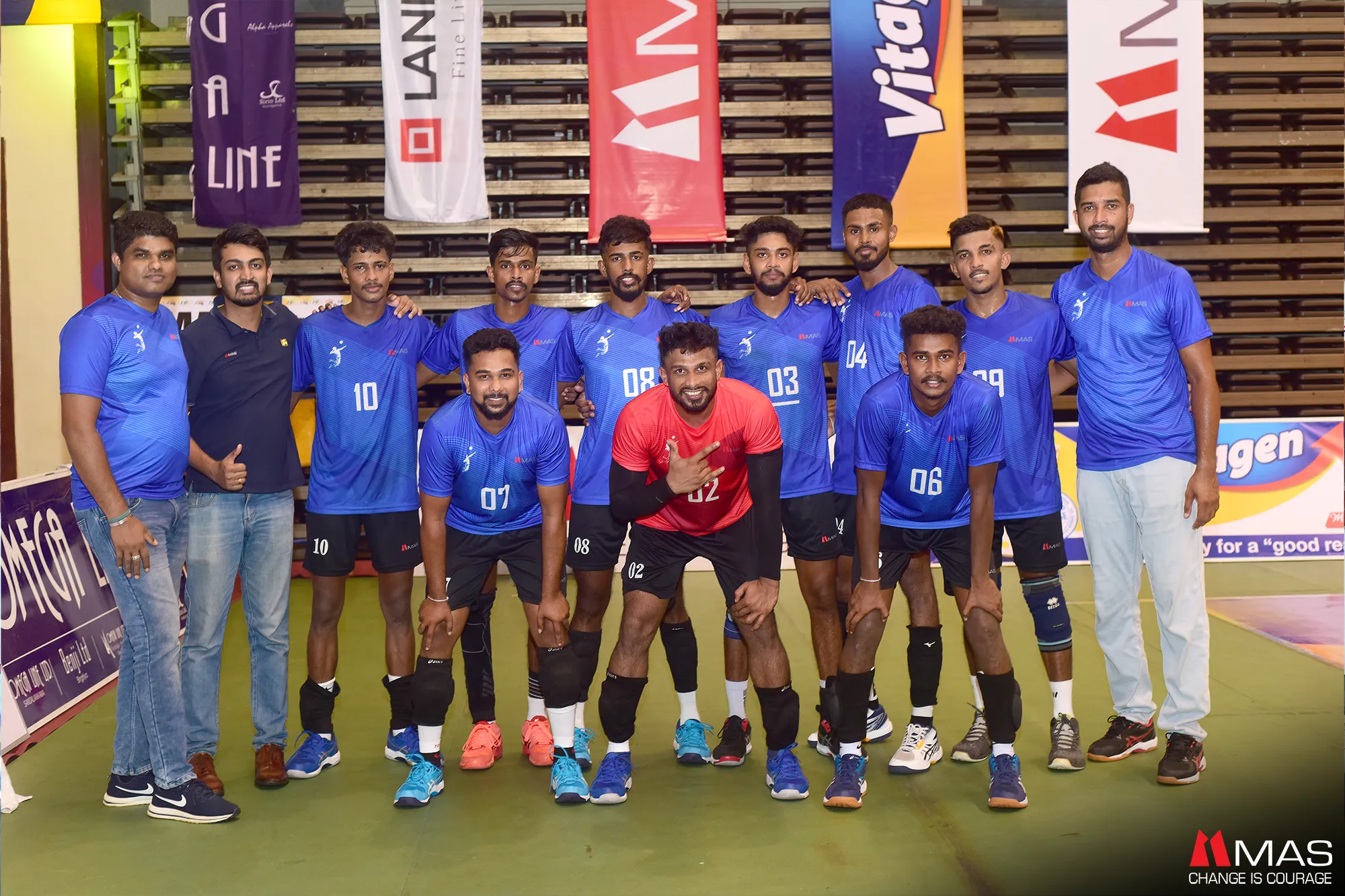
Beyond formal grievance mechanisms, MAS continues to strengthen employee engagement through initiatives that foster connection, collaboration, and overall organisational wellbeing. These include participation in sporting and recreational activities, team-based events, and cross-functional engagement platforms that promote interaction across employee groups.
Such initiatives contribute to a more inclusive and connected workplace environment, supporting open communication and reinforcing a culture where employees feel valued and heard. By strengthening informal channels of engagement alongside formal mechanisms, MAS enhances overall employee experience and organisational cohesion.
- Participation in mercantile sporting events
- Inter-facility sports tournaments (e.g., cricket, netball, volleyball)
- Team-building programmes across business units
- Cross-functional engagement sessions and collaboration forums
- Cultural and festive celebrations across locations
- Recognition and appreciation events, including the Changemaker Awards
- Wellbeing and fitness initiatives
- Community engagement and volunteer activities
Sporting Excellence at MAS
1,053
employees participated
10
sports disciplines covered
7+
Championship Titles
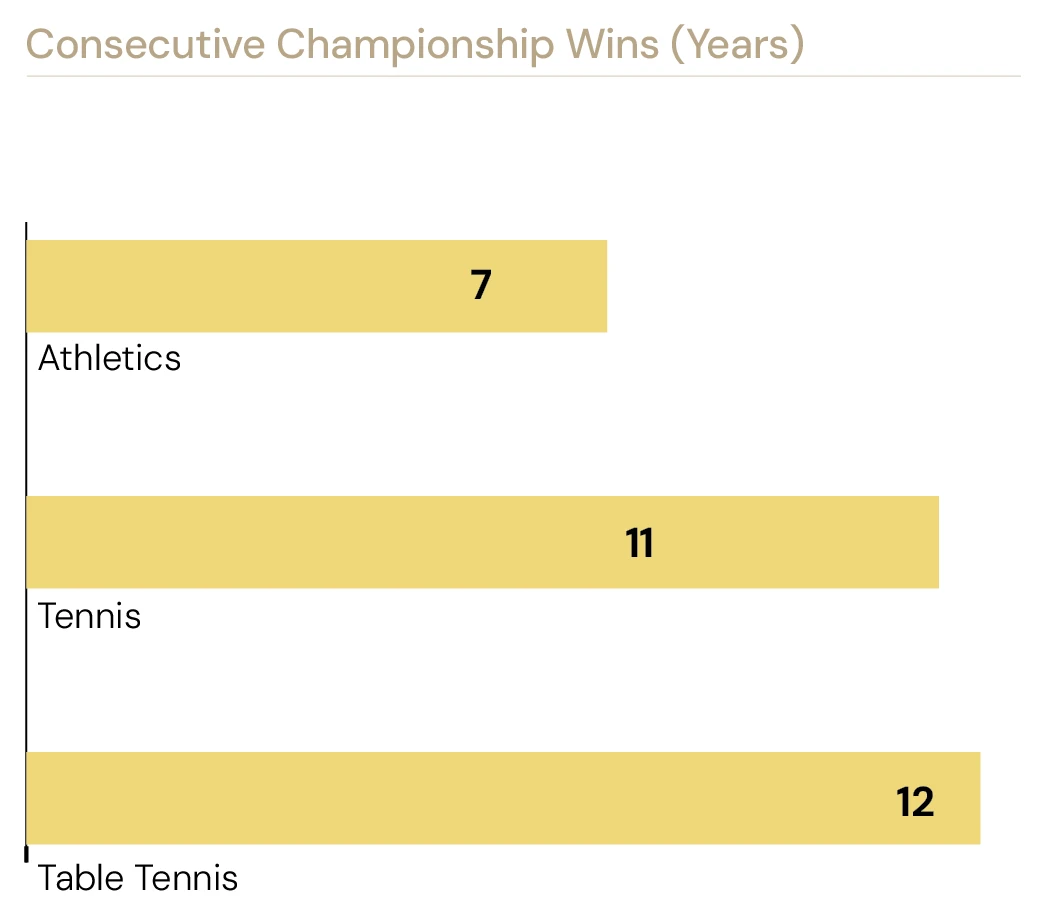
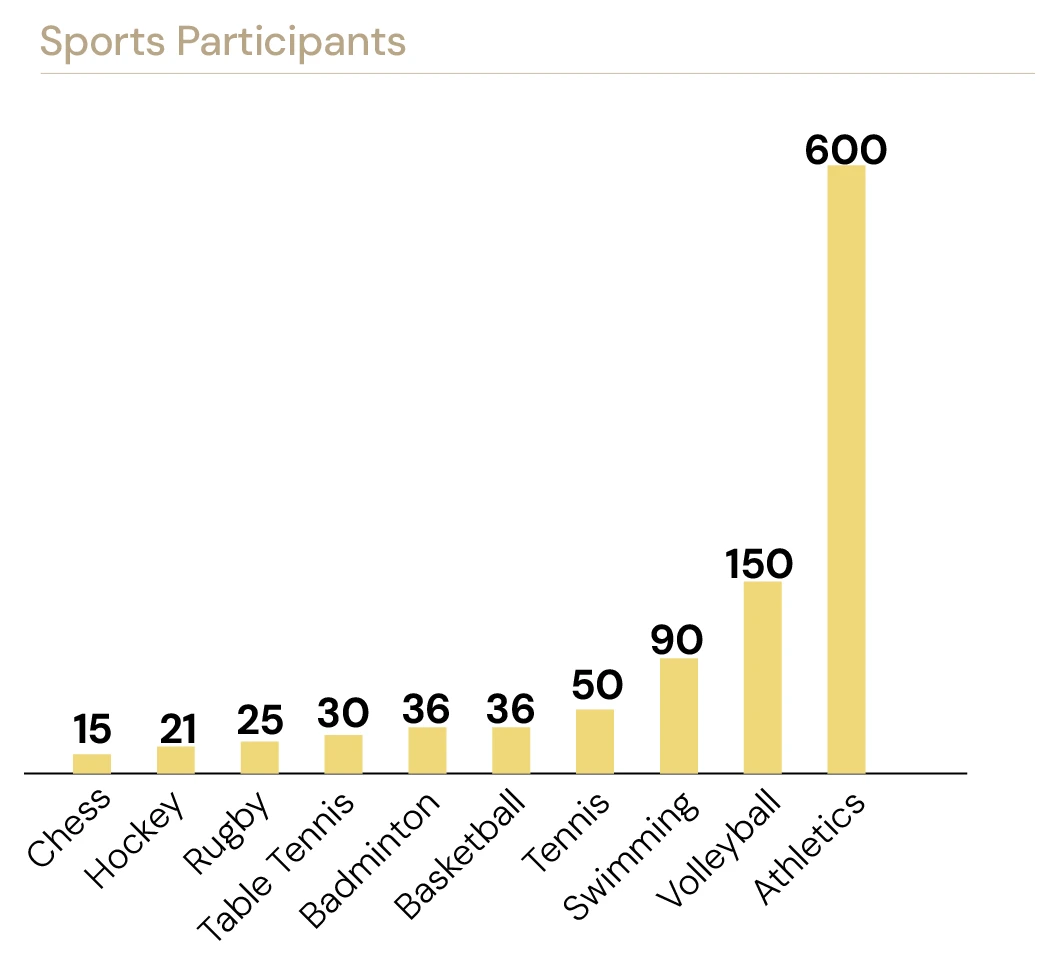
| Sport | Participants | Championship | Achievement | Highlights |
|---|---|---|---|---|
| Table Tennis | 30 | Mercantile | Champions | 12 consecutive years |
| Tennis | 50 | Mercantile | Champions | 11 consecutive years |
| Athletics | 600 | Mercantile | Champions | 7 consecutive years |
| Basketball | 36 | Mercantile | Champions (Women's Division) | – |
| Volleyball | 150 | Mercantile | Champions (4 Divisions) | 3 Women's, 1 Men's |
| Badminton | 36 | Mercantile | Doubles Team Champions | – |
| Chess | 15 | Mercantile | Classic Champions | – |
| Hockey | 21 | Mercantile | 7-a-side Champions | – |
| Rugby | 25 | Mercantile | Sheild Category Champions | – |
| Swimming | 90 | Mercantile | 2nd Runner-up | – |