



 Add to My Report
 Download PDF
 Our Approach to Our Planet Changed for Good
 Our Approach to Our Planet Changed for Good
Disclosure of Management of
Material Topics (DMMT)
Our Approach to Lives Changed for Good
Material Topics
1. Empowering Women
2. Sustainable Compensation
3. Diversity, Equity, and Inclusion
4. Learning and Development
5. Health, Safety, and Wellbeing
6. Engaging and Purposeful Culture
7. Community Development
Aligned GRI Topical Disclosures
1. GRI 405: Diversity and Equal Opportunity
2. GRI 401: Employment
3. GRI 404: Training and Education
4. GRI 406: Non-Discrimination
5. GRI 402: Labour Management Relations
6. GRI 403: Occupational Health and Safety
7. GRI 407: Freedom of Association and Collective Bargaining
8. GRI 413: Local Communities
At the centre of our ability to be a potent force for good is an evolving social compact with our employees and communities; a partnership built on shared values and mutual benefit that is shaping industry norms.
As a global apparel manufacturer with a significant presence in South Asia, we understand the scrutiny our industry faces regarding labour practices. We are committed to demonstrating a departure from those norms, investing in training, development, and equitable compensation. We aim to provide careers, not just jobs, by implementing these principles across our diverse operations.
Beyond our factories, we are committed to community development, acknowledging the intrinsic link between our success and the prosperity of the regions in which we operate. This involves partnerships and local initiatives aimed at long-term sustainable growth. We are acutely aware that the efficacy of these programmes and their ability to address complex socio-economic realities requires ongoing assessment.
How we Drive Social Sustainability
To ensure our social responsibility translates to tangible impact, we employ a robust tracking system aligned with the social pillar of our Plan for Change. Introduced in 2020, the MAS Social Sustainability Scoring Tool (SS Tool) integrates key social sustainability KPIs into our group strategy deployment, Hoshin Kanri.
This tool effectively cascades our social impact ambitions throughout the Organisation, from leadership to employees. Individual facility scores, calculated monthly, quarterly, and biannually, are tied to CEO performance. Collated data is rigorously validated by pillar and divisional leads and shared with senior management. Finalised scores are shared with the CEO’s office and other Senior Management personnel.
Empowering Women
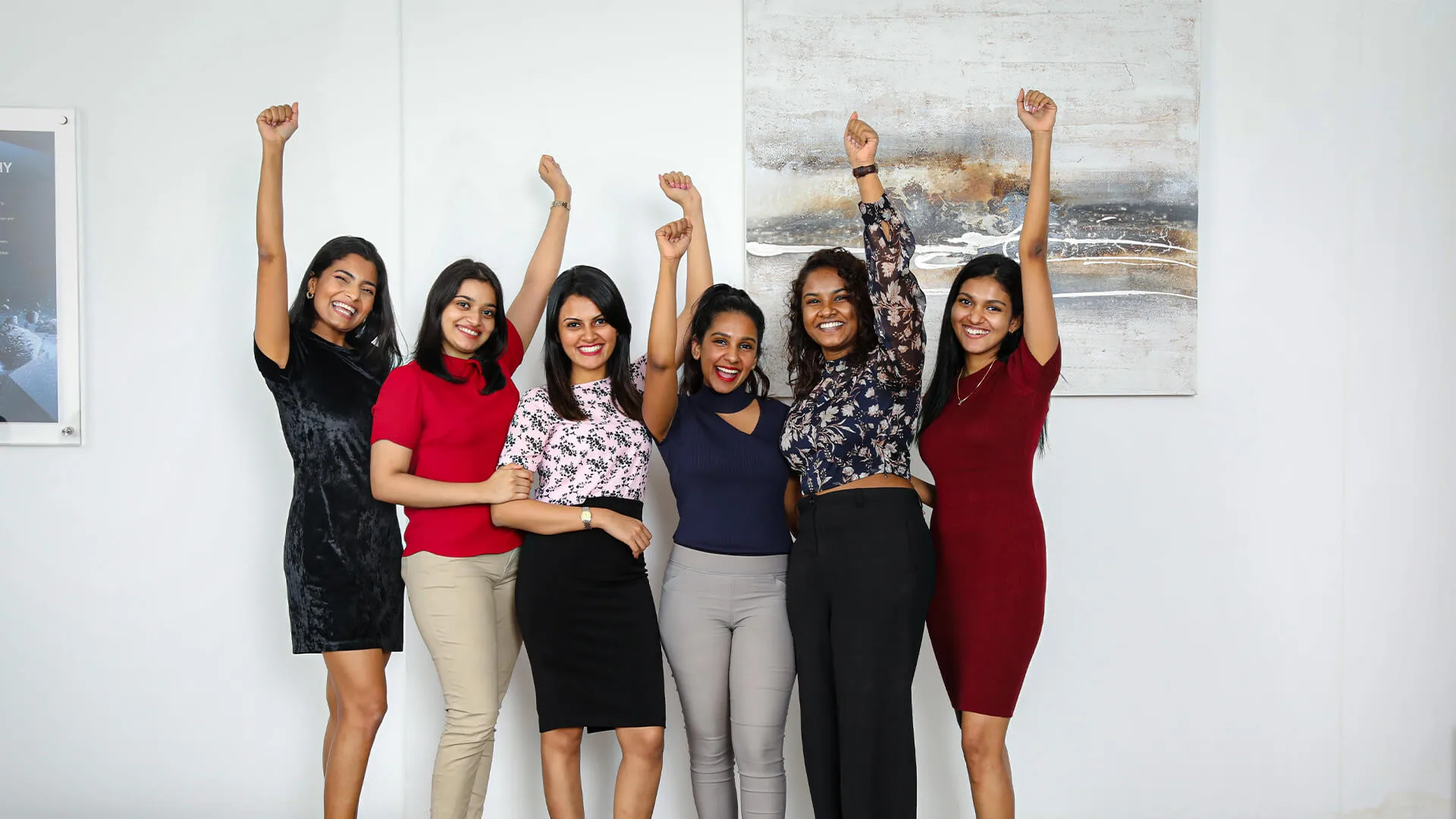
Given that women constitute a significant majority of our global workforce, women’s empowerment is not just an ethical imperative; it is a core business strategy. Our work in this regard involves directly addressing gender gaps specific to the apparel sector, and persistent structural inequalities existing in the various countries we operate in.
Recognising this pivotal role women play in the social sustainability of our enterprise, we prioritise diversity, equal opportunity, and women’s development across our operations. We believe true women’s empowerment is not achieved through a single programme, but through a holistic ecosystem.
To this end, we employ a framework for women’s empowerment that integrates economic, social, and political dimensions, and considers ten broad areas that we feel are crucial to creating workplaces where our women can thrive.
- Career advancement
- Skill development
- Women’s health and SRHR
- Preventing gender-based violence
- Creating role models
- Unconscious bias training
- Childcare and maternity support
- Mentoring and sponsorship for women
- Recruitment, retention, and promotion strategies
- Flexible work and family friendly policies
Career advancement and skill development not only allow our women to excel at their jobs, they also provide fundamental tools for economic independence. Programmes that address women’s health and SRHR, alongside those preventing and addressing gender-based violence are working to safeguard women’s physical and psychological safety.
Childcare facilities and flexible work arrangements are crucial enablers that address practical realities and alleviate the significant burden of caregiving that often disproportionately falls on women. These proactive policies and investments in infrastructure allow our women to pursue and maintain employment as they balance professional ambitions with family obligations. In turn, these structural elements in our workplaces enhance overall work-life integration, and reduce the need for women to choose between career and care.
Creating and uplifting role models is a means to inspire even more women, while unconscious bias training helps recognise and reduce internalised systemic biases, while challenging systemic norms and disparities. Mentoring and sponsorship create pathways for inspired and empowered women to take up leadership positions, strategic recruitment, retention, and promotion policies solidify these gains – ensuring our workplaces suitably respect, and retain the women who empower our global operations.
Women’s empowerment programmes integrate targeted interventions with broader system-change; wrought through policy support, infrastructural investments, affirmative action, and addressing of unconscious bias. This reflects the understanding that individual empowerment requires systemic change that tackles the root causes of gender inequality, including gaps in resources, skills, and rights. These efforts are nurturing an enabling environment that can attract, retain, and empower our female talent to excel.
We are also proud signatories of the UN Women’s Empowerment Principles since 2011, members of the UN Global Compact since 2003, and one of the first Sri Lankan signatories to the UNGC’s Target Gender Equality programme.
To ensure these commitments and conversations translate into lasting impact, we continuously engage with the women across our operations, regulators and policy-makers in government, schools and universities that are inspiring young minds, and other stakeholders who are committed to empowering women and shifting mindsets towards diversity and inclusion. We also work with government and non-government bodies, international organisations and subject-experts to understand gaps and needs, and to identify the best ways to go about addressing these.
Having leadership buy-in is a crucial part of this journey. The efforts in this space are therefore governed and strategically driven by the Board of Directors, with the commitments and KPIs embedded into the performance management process, starting from the Group CEO, to all CEOs of Strategic Business Units (SBUs), as well as the entire HR fraternity across the business. Progress is measured along with all business KPIs in our main strategy process.
Our targets for representation of women in management and in manufacturing leadership are set as strategic reward-based goals for leadership. Over the years, we have worked on many interventions to support and develop more women into the leadership pipelines, leading to incremental changes in this indicator. There are also bi-annual checks and quarterly progress reports sent to the Group CEOs office, which help business teams to check and adjust interventions along the way.
In addition to the priority focus areas outlined below, our policies, process, and initiatives for talent acquisition and retention, learning and development, employee wellbeing, DEI, health and safety, culture and purpose, and employee engagement; all apply to, and benefit, the women in our organisation.
Women in Management
At MAS, we are actively paving the way for more women to lead. This commitment is demonstrated through strong leadership support, accountability, and a focus on cultivating a supportive and inclusive work environment. We further amplify this commitment through internal and external media campaigns that spotlight inspirational women.
MAS has consistently celebrated women who surpass limitations and reach new heights, recognising them as an inspiration to the organisation and beyond. Elevating them as role models and sharing their success stories is a core strategy for promoting gender equality across our operations.
Enabling Environment and Affirmative Action
At MAS, we believe in prioritising our employees while extending support to their families and communities. We champion policies and infrastructure that enable women to achieve their full potential in the workplace. This includes advocating for and implementing childcare facilities, lactation rooms, flexible work arrangements, and comprehensive parental leave policies, which attract and retain female talent while fostering their wellbeing and career advancement.
Going beyond basic support, our ‘Dignity of Motherhood’ programme, carried out by MAS Intimates provides holistic pre and post-natal care for mothers and babies. Similar division-driven programmes are implemented and independently managed across all our SBUs. Additionally, MAS has standardised maternity and paternity leave policies across the Group. Maternity leave is a mandatory provision that we make available to all pregnant mothers across our operations, in line with legal requirements.
Similarly, all fathers are entitled to paternity leave. Wherever possible, we attempt to provide benefits that surpass regulatory requirements in order to better support our workforce. For example, since January 2023, MAS KREEDA pioneered additional childcare and dependent care leave for all employees.
Addressing Women’s Health, Sexual and Reproductive Health and Rights (SHRH), and Gender Based Violence
Over the last few years, we have significantly deepened our focus on crucial areas such as Sexual and Reproductive Health and Rights (SRHR) and Gender-based and Intimate Partner Violence (GBV/IPV). This underscores our recognition, aligned with the World Health Organisation’s (WHO) work on SRHR as fundamental human rights and the International Labour Organisation’s (ILO) findings on the detrimental impact of GBV on workplace productivity and women’s wellbeing. By preventing and addressing these issues, we aim to safeguard our female workforce and contribute to broader societal progress.
Meaningful Employment
GRI 401, 404, 405
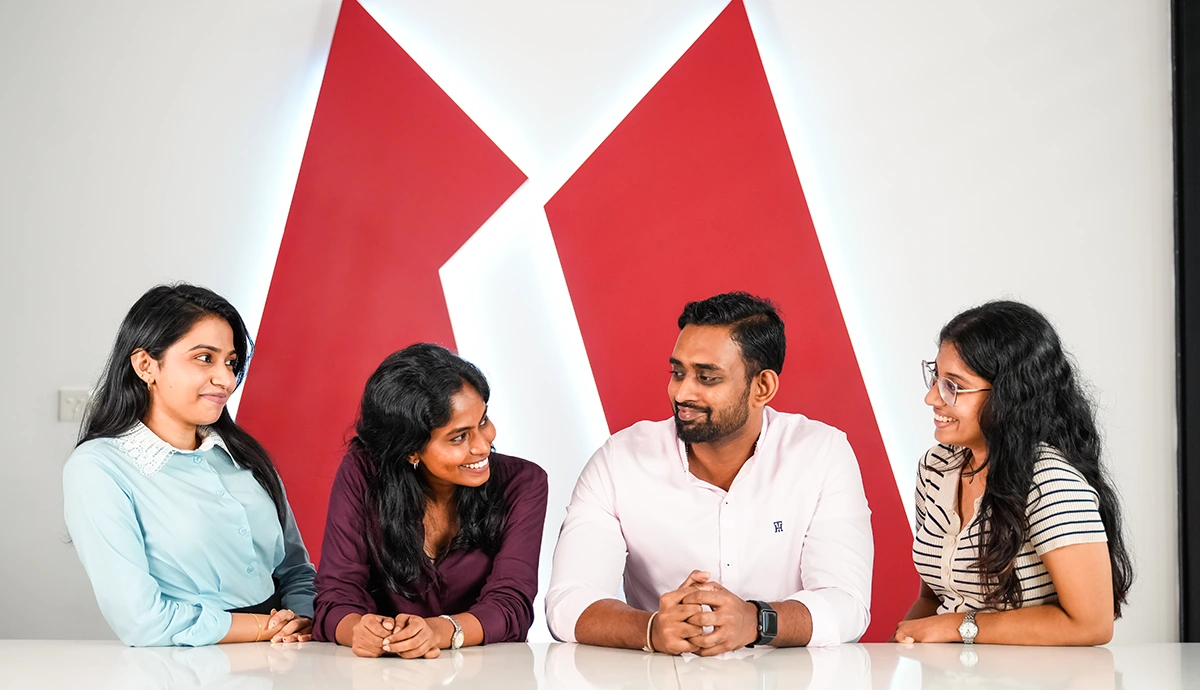
Our operations extend across fourteen countries, including customer-facing and support functions in North America and Singapore. The diverse MAS workforce, rich in unique perspectives, skills, and abilities, fuels our impact through the Plan for Change.
To support our workforce our greatest strength we leverage advanced technology and talent analytics, ensuring seamless integration, compliance, and optimisation of our HR systems.
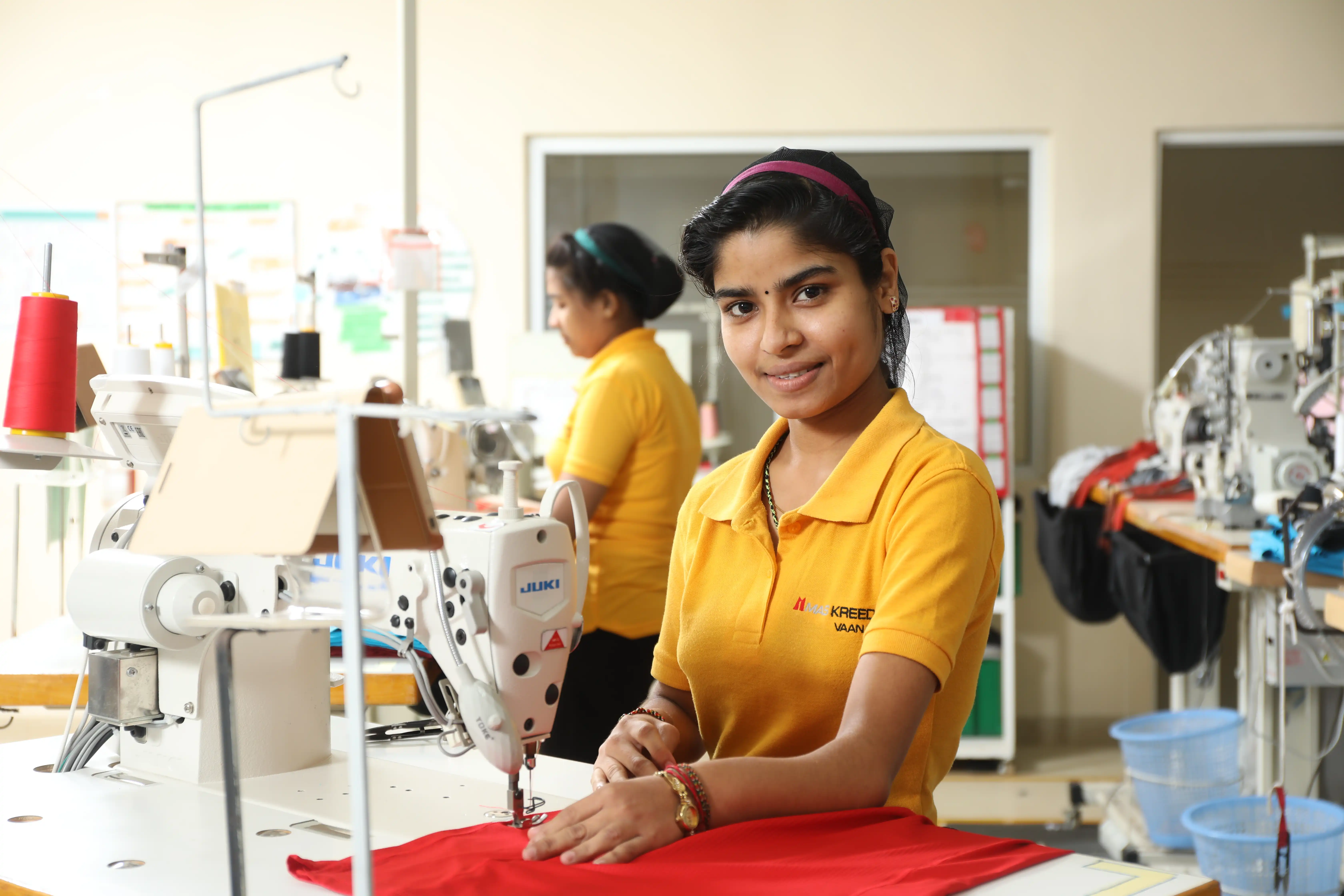
In line with our commitment to Meaningful Employment, all our staff including factory-floor teams across our global operations, are classified as full-time employees. The majority of our workforce are employed on a permanent basis, with employment status confirmed after a probationary period. A smaller portion are employed on fixed-term contracts, based on operational needs and in compliance with local labour laws. However, a significant proportion of employees in Jordan, Kenya, and Vietnam are engaged on fixed-term contracts.
Talent Acquisition and Retention
GRI 401
With approximately 75% of our workforce based in Sri Lanka, MAS operations and employees were significantly impacted by the country’s economic challenges, affecting both hiring and turnover rates.
Our Core Values in Recruitment
At MAS, talent acquisition extends beyond filling vacancies; we seek individuals who resonate with our core values and purpose. We aim for candidates to understand our organisation’s ethos, driven by purpose and shared values. Our employer value proposition embodies this commitment, with diversity, equity, and inclusion as fundamental principles. As an equal opportunity employer, we ensure these principles are reflected in all internal and external branding materials. Recruitment decisions are based solely on merit, guaranteeing a fair and inclusive hiring process. We continuously improve our recruitment strategies, measuring success through KPIs such as internal mobility, first-year performance, first-year retention, and recruitment lead times.
Strengthening Local Talent Pipelines
To strengthen ties with future talent, MAS actively participates in career fairs, including dedicated recruitment events at key state and private universities. We offer personalised guidance to students, providing insights into our business roles and expectations. These engagements maintain our brand presence among future job seekers and contribute to workforce capability development. We also facilitate skill development programmes to prepare graduates for the evolving world of work, and cultivate strategic partnerships with universities and professional bodies.
Building Global Partnerships for Talent
MAS extends its talent acquisition efforts globally by participating in international events that offer students from around the world the opportunity to experience our facilities, gain business insights, participate in workshops, and immerse themselves in Sri Lankan culture. These events also enable us to establish valuable connections with international universities for future programmes.
Learning and Development
GRI 404-2
A robust Learning and Development (L&D) strategy is no longer a mere benefit, but a necessity. We believe a culture of continuous learning creates a resilient and innovative workforce. Through upskilling and multiskilling, our employees receive tailored learning opportunities, enabling them to excel in their roles and advance their careers. Through their success, we ensure MAS remains competitive, agile, and primed to navigate a dynamic business landscape.
We continuously evaluate our training programmes and actively seek feedback from our employees to stay ahead of industry trends, adapt to evolving market needs, and ensure that our skill development initiatives remain relevant. As the future of work evolves, so do we. By staying informed on the latest talent trends and best practices in capability building, we ensure that we remain at the forefront of our industry.
Transparency and accountability are fundamental to our L&D strategy. We uphold compliance with international standards and integrate anti-corruption policies into our training programmes, reinforcing our reputation as a responsible and ethical corporate citizen.
GRI 404-1
Through MAS Education, our central learning hub, all employees from team members to executives have access to technical and leadership training, strategic and cross-functional learning initiatives, and self-learning opportunities that drive career growth.
The MAS 70:20:10 Philosophy
Our multifaceted approach ensures employees feel empowered in their roles and contribution to the organisation’s strategic goals.
Experiential Learning (70%): We prioritise experiential, encouraging employees to gain insights through real-world application.
Social Learning (20%): Social learning fosters knowledge sharing through peer interaction and mentorship.
Formal Learning (10%): Formal training programmes aim to bridge skill gaps and provide up-to-date knowledge.
Leadership Skill Development at Shop Floor Level:
- A structured framework has been developed to enhance core competencies among Group Leaders (GLs).
- The Shilpi programme equips GLs with instructor skills, enabling them to effectively deliver training to their teams.
- Certification and diploma programmes focus on refining soft skills and enhancing technical knowledge for GLs.
Training and Development at Executive Level and Above:
- A standardised learning and development (L&D) Policy ensures a streamlined learning experience across all divisions.
- A template is used to track the 70% experiential learning component, facilitating improved evaluation and feedback.
- Development programmes incorporating essential technical competencies are provided for senior staff.
- Quarterly forums for divisional L&D champions foster communication, collaboration, and the sharing of best practices, ensuring synchronised learning and development efforts across MAS.
Learning and Development Cycle
MAS employs a comprehensive learning cycle that comprises six components, which drive the organisation’s learning and development initiatives each year. The components of the L&D cycle are interconnected and interdependent, and therefore all essential for successful implementation of the L&D strategy.
1
Competency Assessment – Evaluates the expertise of the job-holder against levels of competence required to perform the job-role.
2
IDP Formulation – Identifies skill-gaps based on the skills and levels required for the role. This also sets out competencies to be developed, thereby guiding learning interventions required to close or minimise the skill gap.
3
HRD sign off on IDP – The process of vetting prepared IDPs from a human resources perspective to match skill gaps with training resources, in order to best align and plan competency development.
4
Budgeting – Following signoff, a Learning Menu is developed and circulated along with the Learning Catalogue. Budgeting guidelines align with the business context and future direction. Divisions prepare their budgets against IDP requirements, taking into account the above considerations.
5
Nominations call out – The process of calling out nominations for the signature programmes offered by the COE. Divisions are required to indicate their budgeted headcount for each signature programme and IDPs are prioritised during this process.
6
Execution of L&D Interventions – Implementation of COE-led learning programmes according to the pre-determined programme calendar. Divisions can run their own programmes as required, at divisional level.
Build Back Better
We continuously evaluate our training programmes and actively seek feedback from employees to stay ahead of industry trends, adapt to evolving market needs, and ensure that skill development initiatives remain relevant. As the future of work evolves, so do we. By staying informed on the latest talent trends and best practices in capability building, we ensure that we remain at the forefront of our industry. The MAS Build Back Better initiative exemplifies this approach.
A footprint to 40% outside Sri Lanka by 2024
15% agile capacity across MAS by 2024
Manufacturing overhead as a percentage of sales at 21% by 2025
100% secured talent pipelines for critical roles and ideal structure across MAS
The Build Back Better initiative was implemented across MAS from 2022 onward, with a focus on expanding the Group’s global footprint, enhance agility by increasing capacity spread, improving productivity by controlling manufacturing overheads, strengthening talent through 100% secured talent pipelines for critical roles, and establishing an ideal structure across MAS.
Talent
The Talent Pillar was specifically aimed at developing talent and strengthening capabilities to support long-term organisational goals with a special focus on manufacturing. The initiative focuses on attracting and retaining global technical talent, cultivating a strong leadership pipeline, and enhancing skills to ensure adaptability in the evolving manufacturing environment.
- Optimising Resource Utilisation (Manning): Ensuring that resources are effectively allocated to meet evolving business needs.
- Building Globally Ready Leaders (Leadership): Developing leaders who can sustain manufacturing excellence and drive organisational growth across global markets.
- Enhancing Technical Skills (Technical Talent): Strengthening technical expertise to augment standards of quality and innovation in manufacturing processes.
What?
To ensure that the required talent and capability is available to support the 3 pillars (agility, productivity and GFP) and drive MAS’ long-term manufacturing and operations strategy
Why?
Attract and retain global technical talent to support growth
Securing the global leadership pipeline to drive MAS long-term manufacturing strategy
Right skill set to support the manufacturing and operations strategy
Optimising manning and the structure
Changing nature of global manufacturing landscape
Sub levers
Manning
Leadership
Technical Talent
Sub lever scope
To move towards optimum utilisation of resources while maintaining ideal material flow which would support in enhancing productivity
Build and sustain globally ready, inspirational leaders who drive manufacturing excellence in MAS’s aggressive growth plans
Enhancing the right technical skill set to support manufacturing and operations strategy
Technical Talent
The Technical Talent sub-pillar of the Build Back Better initiative focused on enhancing technical skills across job families and roles within the manufacturing community. This initiative spans the Group’s key legal entities and includes positions ranging from Executive to General Manager, across 16 job families in the manufacturing scope. Developing technical talent within the Group was identified as a key factor to drive efficiency and productivity, facilitate multidisciplinary rotations, and deliver innovative solutions aligned with market trends and customer demands.
The initiative also provides a platform for employees to acquire the product-related technical expertise necessary to excel in their roles while addressing technical skill gaps and developing the training programmes to build capability. It also fosters retention through opportunities for career progression, continuous learning, and talent rotation within manufacturing.
Setting and standardising technical competencies was an element of our approach that defined the set of technical skill required to effectively perform specific job roles. Our journey began in early 2023 with a comprehensive review of existing technical competencies, which needed updating, seemed outdated, or was misaligned with evolving demands of the industry and the organisation. Guided by product technical experts, we evaluated and refined these competencies to ensure relevance and adaptability to the current business landscape.
Key steps of this process included:
Competency Refinement: From an initial list of 154 technical competencies, the programmed focused on 20 core areas that aligned with the Group’s strategic priorities. This framework also built a foundation for technical competency development of other job families across the business.
Dynamic Framework: Competencies were redefined to reflect current industry standards, technological advancements, and organisational needs.

Technical competencies
- Original framework developed by Deloitte, required revamping to reflect advancements. 154 outdated and redundant competencies, established a decade ago, no longer relevant to evolving industry needs.
- Reduced to 8 technical competencies with the input from product experts, SMEs, and Group Ops leads. To be dynamic and relevant.

To assess technical competency, identify gaps and develop technical talent in manufacturing.
Technical Training Manual
- Existing technical trainings were Division-specific training led to inconsistencies. Programmes were redundant and repetitive.
- Manual developed to ensure standardisation and consistency across all divisions.
- Repository of all existing technical training programmes.
A collective of carefully curated and focused technical knowledge to address the technical skill gaps.
Ideal Profile
- Outlines key capabilities (Knowledge, troubleshooting, continuous improvement).
To identify and develop the ideal technical talent required to bring out the potential of the organisation’s talent.
Competencies are the bridge that aligns the Business and Talent strategy
Business Strategy
Deciding where to play, how to win, drive growth and maximise long-term value.

Talent Strategy
Getting the right talent, with the right abilities, in the right roles, at the right time.
Creating Ideal Profiles
1. Ideal Profile Overview
- Defines the essential technical skills and expertise required for a specific job role.
- Outlines expectations for troubleshooting abilities, technical capabilities, and contributions to innovation.
- Designed with input from the Group Operations Core Team and SMEs to ensure accuracy and standardisation.
2. Impact of the Ideal Profile
- Enhances Performance – Provides clear competency guidelines to improve job effectiveness.
- Drives Innovation – Encourages new ideas and solutions for operational excellence.
- Supports Career Progression – Helps employees identify skill gaps and grow professionally.
- Ensures Consistency – Establishes standardised technical competencies across teams.
3. Check and Adjust Approach
- Regular Assessments – Periodic reviews to keep competencies aligned with evolving needs.
- Stakeholder Feedback – Engages SMEs, managers, and employees for real-world validation.
- Performance Tracking – Monitors the impact of competencies on employee effectiveness.
- Continuous Improvement – Updates based on industry trends and operational feedback.
Ethical business practices are deeply embedded in our learning initiatives. Whether through the MAS DNA E-learning modules, virtual, or in-person training sessions; we provide our employees with the knowledge and tools to navigate the complexities of the business world with integrity.
At MAS, we take a data-driven approach to capability building, identifying skill gaps through a structured competency assessment process and deploying targeted training programmes to address them.
Steps in Competency assessment
The IDP deployment of technical competencies, as with the Technical Competency Framework, follows the same process.
Self Assessment

Manager Submit for Employee Acknowledgement
Mark Dev. Requirements
Agreed Assessment
Employee Acknowledgement
Self-Assessment – An employee assesses him/herself with the required levels of proficiencies under each competency while giving examples of demonstrating the required behavior.
Agreed Assessment – The Line Manager assesses the employee with required levels of proficiency to perform the job and the actual levels of proficiency possessed by the employee and identify the skill gaps together. This is a One-on-One conversation between the Line Manager and the Employee.
Mark Developmental Requirements – Identify the skill gaps and marking off the current proficiency levels of the job holder.
Manager Submission – The Line Manager submits the rating for employee acknowledgement.
Employee Acknowledgement – Final agreement between Line Manager and Employee on the given ratings for each competency.
Competency Framework
MAS follows a competency-based learning approach that cascades to creation of individualised learning plans for employees based on their current level of competence. This approach helps employees gain the specific knowledge, skills and abilities they need to excel in their current role; or to progress to another role as could be defined by a Succession Development Plan (SDP).
Competencies create a link between the abilities of the job holder and the expected level of expertise for the job-role, which enable the organisation to clearly define skill-gaps.
The MAS Competency Framework has established two main streams of competence – leadership and technical. These are further sub-divided to ascertain 14 criteria for leadership competence, and specific technical competence defined by the nature and job-specific subject matter expertise required.
Investing in Growth
In a constantly evolving work landscape, MAS is at the forefront of talent development by staying informed on the latest global L&D trends and best practices. We conduct regular assessments of our L&D programmes and encourage employee feedback, ensuring our skill development initiatives are aligned with changing market demands.
Ethical business practices are integrated into all learning initiatives, from MAS DNA E-learning modules to virtual and in-person training, equipping employees to navigate business complexities with integrity. We have adopted a data-driven approach to L&D, identifying skill gaps through structured competency assessments and deploying targeted training programmes. The Group’s L&D function tracks training hours and conducts assessments to measure effectiveness and optimise our investment. This translates into specialised skill enhancement programmes such as MDP, EDP, BCE, MCL, Elevate for senior leadership, and mechanic training and self-employment skills programmes for team members and staff.
Regular performance reviews and career development discussions are integral to our strategy. We provide constructive feedback and foster accountability, empowering employees to achieve their full potential and career aspirations. All executive and senior employees undergo annual performance reviews, while team members and other staff are evaluated during probationary periods and career transitions.
Team Leader and Group Leader Development
MAS provides a Technical Skills Development programme specifically designed for Team Leaders (TLs) and Group Leaders (GLs). This programme develops both technical expertise and essential soft skills, enabling participants to excel in their leadership roles and adapt to evolving industry demands.
The programme offers a structured learning pathway with certificate, diploma, and degree levels, catering to diverse learning needs and career aspirations. To ensure relevance, both the certificate and diploma programmes are periodically revised to reflect updated industry requirements.
Performance Management
The MAS Performance Management (PM) system provides a continuous process designed to empower our workforce in the dynamic apparel industry. It focuses on identifying, measuring, and developing individual and team performance, directly aligning efforts with our overarching organisational objectives. This comprehensive approach includes clear goal setting, mid-year reviews for progress tracking, values assessments to reinforce our core principles, and year-end evaluations for overall performance and future development planning.
Through targeted opportunities, we enable employee growth and skill enhancement. While all Executive levels and above undergo annual reviews, Staff and Team Member evaluations are tailored to specific roles and skill requirements.
Building Future Leaders: Succession Management at MAS
A strong pipeline of capable talent is critical for filling key leadership roles. Our robust Succession Management (SM) process ensures this through structured identification and development. This process is continuously refined, to allow enhancements and adapt to evolving talent needs. Critical areas requiring talent safeguarding are regularly identified, and the process is adjusted accordingly. Leadership KPIs measure the process’s effectiveness and ensure accountability. Our SM process is integrated with other talent management functions. We leverage our performance management system and surveys to identify high-potential talent and critical leadership roles, providing a clear overview of our talent landscape.
- Understanding of Critical Roles required for the business.
- Focus on the succession pipeline for these roles.
- Retention and Development of talent.
- Understanding of your talent landscape.
- Understanding impact of loss and risk of loss of Talent.
- High Potential Leaders and Technical Experts.
Identified high potentials through the nine box process
are added to the pipeline as potential successors
of the critical role.
Talent Governance and Review
The Talent Board, comprising members from MAS Holdings, Apparel, and Innovations Boards, drives the Group-wide talent review process which is held bi-annually. These reviews assess critical role pipelines, high-potential talent, development interventions, and leadership mobility plans. This process supports a culture of continuous learning and growth. Global plant talent reviews complement this process, ensuring we address talent challenges across all locations.
To complement these initiatives, Centre of Excellence Talent Reviews are conducted to assess and enhance talent within specialised functions. These reviews help build functional bench strength, identify subject matter experts, and support talent rotation. By ensuring the right individuals are placed in critical roles, MAS secures both immediate operational needs and long-term business continuity.
Succession Development and Planning
Customised Succession Development Plans (SDPs), aligned with target roles, are created for individuals in talent pipelines. These plans are developed using MAS’s 70:20:10 learning philosophy.
Career Mapping and Talent Rotation
A phased approach is taken to introduce Career Mapping within MAS, as a strategic tool to help employees align their career aspirations with organisational goals. This process and framework aims to provide a clear pathway for growth through meaningful experiences and skill development; by supporting internal mobility, preparing employees for diverse roles, and fostering personal and business growth.
In addition, the Company’s talent rotation process promotes internal mobility; encouraging employees to explore new opportunities across divisions and areas of expertise. Together, these programmes foster robust talent-growth and support the Company’s intention to cultivate an agile, future-ready workforce.
Talent Retention
We employ a structured approach to identify and monitor critical talent movement monthly. A comprehensive suite of retention strategies, including competitive compensation and benefits, growth opportunities, a positive organisational culture, employee well-being initiatives, and talent conversations, is implemented across the MAS Group to nurture and retain this vital talent pool.
Employee Wellbeing and Work-life Balance
A positive work environment is built upon the fundamental wellbeing of our employees. We recognise that wellbeing drives growth, satisfaction, and resilience, and therefore champion a holistic four-pronged approach encompassing mental, physical, emotional, and financial wellbeing. In addition to these core areas, MAS extends further support to employees, including legal assistance and guidance.
Ensuring employee wellbeing and work-life balance is a core commitment within our Meaningful Employment sub-pillar. To achieve this, we implement a diverse range of health promotion programmes focused on both physical and mental wellbeing. Much of the infrastructure and policy support we have in place creates an enabling environment not only for women, but for all our staff.
Acknowledging the diverse requirements of each division within the international context, MAS grants each division the autonomy to implement customised wellness programmes. To support the health of our workforce, we ensure every Strategic Business Unit (SBU) has access to in-house healthcare professionals and well-equipped treatment facilities.
Investing in Our Mental Wellness
We recognise that mental health, substance abuse prevention, domestic abuse assistance, and suicide prevention are vital to fostering a healthy and productive global workforce. Our commitment to these concerns aligns with our foundational values of inclusivity, compassion, and support for our team, transcending typical business goals.
Measuring Impact and Driving Improvement
We utilise regular surveys and feedback mechanisms to assess the effectiveness of our wellbeing initiatives and identify areas for enhancement. Continuous needs assessments further inform the customisation of our programmes to meet the diverse requirements of our team.
Recognising the sensitive nature of well-being topics, MAS designs all programmes to ensure confidentiality and provide safe spaces for employees seeking support. Information on accessing these services is readily available to all employees.
Beyond Wellbeing: Additional Support
Many of our programmes go beyond core wellbeing dimensions, offering additional elements such as legal guidance and support. Additionally, to further assist our employees, most of our SBUs have appropriately included creche and day care services, as described in the sections detailing our programmes that are empowering women.
Compensation and Benefits
GRI401-2, 2-19, 2-20
Our commitment is to guarantee fairness and equity for all within our workplace. This commitment is evident in our competitive compensation packages, which consistently exceed minimum wage standards. We categorically reject discrimination in our compensation and benefits practices. We firmly believe that recognition and reward at MAS should be based exclusively on an individual’s contributions to the Company’s success, irrespective of social factors.
Standardised Remuneration Policies and Processes
We employ a standardised and accountable approach to ensure sustainable compensation for employees across the Group. The Compensation Committee, comprising key members of our apex governing body, Group-level senior leadership, HR, Finance, and the Compensation and Benefits (C&B) Team, oversees all compensation decisions, including increments and bonuses.
Guided by an internal charter that outlines processes, authority, and scope of oversight, the Compensation Committee endorses annual increments and makes, vets, or approves key C&B decisions based on their business impact. A compensation subcommittee supports routine and internal C&B matters. We adhere to best practices and fairness protocols outlined in the Group’s Compensation and Benefits Centre of Excellence (CoE) guidelines.
Comprehensive and Equitable Compensation and Benefits
Our compensation and benefits strategy is designed to be comprehensive and equitable. We provide fair and competitive remuneration, aligned with market standards, industry benchmarks, and individual performance. Our benefits surpass national mandates, prioritising employee wellbeing, engagement, retention, and empowerment to meet organisational needs.
The Group’s compensation practices include an annual increment process that adjusts salaries, aligning with our rewards framework, considering employee categories, addressing organisational needs, and adhering to global best practices.
MAS provides employees with benefits such as medical, illness, and accident insurance, communication and transport allowances, and support for professional development and wellbeing. These benefits are delivered equitably, while also considering specific job roles and designations.
Recognising Long-service
MAS values employee loyalty, demonstrated through our ‘Experience and Recharge’ long-service leave. Senior Executives, after five years of continuous service, are entitled to a 5-day break, while Assistant Managers and above enjoy a 10-day break. This benefit recognises the dedication of our long-serving team members and is granted every five years.
Propelling Professional Growth
MAS encourages continuous professional development by reimbursing pre-approved annual professional membership fees, up to a specified limit, for Executive-level and above employees in Sri Lankan SBUs. This benefit, effective from their start date, empowers employees to remain current with industry trends and refine their skills, benefiting both individual growth and organisational expertise.
Cultivating an Inclusive and Respectful Workplace
MAS actively maintains an inclusive work environment that champions diversity, inclusion, and freedom of expression and identity. We strictly prohibit discrimination and harassment. All individual-related decisions are made fairly, considering business needs, job requirements, and merit. We expect everyone to contribute to this environment by treating each other with dignity and respect.
Our Equal Opportunity and Anti-Harassment Policy applies comprehensively to all stakeholders employees, candidates, advisors, clients, vendors, partners, and visitors guaranteeing a safe and respectful experience across all interactions with MAS, both inside and outside our premises.
To establish a uniform Freedom of Association (FOA) Policy across all MAS divisions, we conducted a comprehensive review of existing policies, consulted with internal and external experts, and studied relevant ILO conventions to align with global best practices. Based on these insights, an FOA Policy was drafted and translated into three languages for accessibility, reaffirming MAS employees’ fundamental right to freely associate and express themselves. Following leadership alignment, the policy is scheduled for formal rollout across the organisation by the first quarter of 2025.
Inclusive Employment for Persons with Disabilities (PWDs)
MAS adopts a rights-based approach to disability, aligning with the International Labour Organisation (ILO) and the United Nations Convention on the Rights of Persons with Disabilities (2006). This shifts the focus from a medical model to a social model, recognising the rights and potential of individuals with disabilities.
Our Supported Employment Process provides personalised assistance and accommodations to facilitate successful workforce integration for employees with disabilities. Supported Employment Officers work directly with these employees, ensuring they receive the necessary support to thrive and contribute meaningfully to the Company.
Our strategy for creating an inclusive workplace for PWDs focuses on four key investments:
- Employ: We value the unique talents and perspectives each employee brings. True inclusivity is realised by fostering an environment where all individuals can excel and contribute their best, irrespective of challenges.
- Enable: We empower employees with disabilities through essential support systems, including a buddy system, sign language training, and accessible technology.
- Engage: To build a sense of community and belonging among employees with disabilities, we organise annual engagement events, like outings and gatherings. We also partner with disability networks for community initiatives, offer accessible JCC minutes, and provide sign language and emergency training for families and friends of persons with disabilities.
- Empower: We promote autonomy by providing PWDs new job opportunities or cross-functional roles, enabling them to achieve their full potential. Additionally, we offer specialised counselling, mentoring, and avenues for leadership and soft skills development.
Sexual Orientation, Gender Identity, Gender Expression, and Sex Characteristics (SOGIESCS)
In 2022, MAS began a programme for sensitisation regarding People of Diverse Sexual Orientation, Gender Identity, Gender Expression, and Sex Characteristics. This was a need mandated through our Equal Opportunity and Anti-Harassment Policy as well as our Meaningful Employment pillar under the Company’s 2025 Plan for Change strategy; wherein we have made a pledge to uphold non-discrimination and to foster diversity and inclusion with freedom of expression and identity for all.
The need for sensitisation was also identified through feedback received through internal surveys. Reflecting on this need, we partnered with the Grassrooted Trust due to their wealth of experience and expertise in this space. Having begun with Focus Group Discussions (FGDs) to understand current levels of awareness in this space, sensitisation workshops were developed, and roll-out was initiated in small but steady steps across the Group.
With the understanding that collaboration is essential for SOGIESC progress, MAS continues to partner with organisations such as The Grassrooted Trust, the National Transgender Network Sri Lanka, and EQUITE Sri Lanka. Together, we develop comprehensive training programmes, identify support system gaps, establish access processes, raise awareness, and train internal facilitators to lead SOGIESCS sensitisation across all organisational levels.
World-Class Workplaces
GRI402, 403
Our Commitment:
Be first-in-class for working conditions in our industry
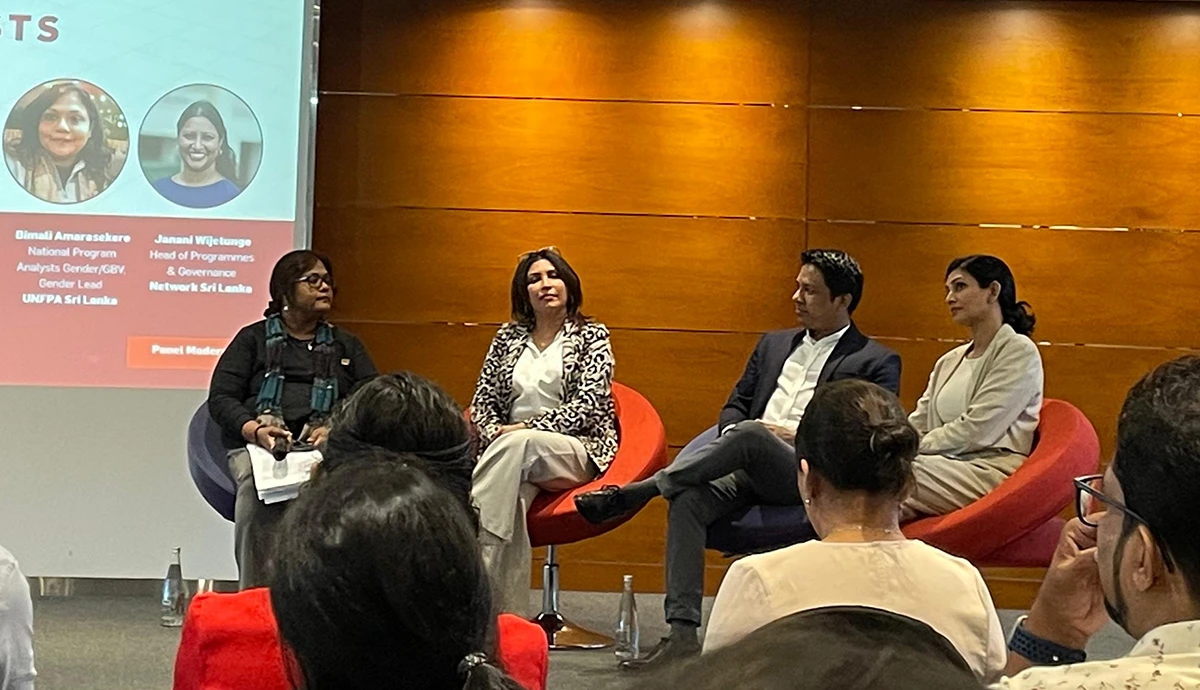
MAS is dedicated to establishing world-class workplaces that prioritise safety, security, and employee engagement. We aim to cultivate a rich and purposeful culture that fosters productivity and a sense of belonging, ensuring our facilities provide an ideal, comfortable, and secure environment for our teams to excel.
We aspire to global leadership in sustainable, ethical, and people-centric business practices. We go beyond industry or regional standards by actively listening to employee needs and benchmarking our performance against global best practices.
Our Commitment to Workplace Health and Safety
GRI403-9, 403-10
Employee safety and wellbeing are a fundamental responsibility at MAS. We foster a proactive and interdependent safety culture, driven by a shared commitment to eliminate accidents, incidents, and diseases throughout our operations.
We are establishing annual targets for incident frequency and severity rates across all operational levels, while maintaining our long-term aspiration.
A healthy workforce is essential for our long-term business success. To this end, we have implemented diverse programmes focusing on physical and mental health. These initiatives include programmes for non-communicable disease prevention, eye protection, nutrition promotion, breast cancer awareness, reproductive health enhancement, mental health support, and stress management resources. Potential work-related ill-health from exposure to hazards such as noise, chemicals, and vibration are also monitored. To support our long-term aspiration for zero accidents, incidents and diseases, we are establishing annual targets for incident frequency and severity rates across all operational levels. Our efforts aim to improve overall employee wellbeing, contributing to productivity, satisfaction, and sustained engagement with MAS.
Our Occupational Health and Safety (OHS) Framework
GRI403-1, 403-4, 403-5, 403-7, 403-8
MAS Plan for Change Impact Report
Our Sustainability Strategy
Lives Changed for Good
Pillar of the Strategy
Creating World-Class Workplace
Our Commitment
Our North Star Goals/Aspirations
Zero
Accidents
Zero
Incidents
Zero
Ill Health
MAS implements a robust Occupational Health and Safety (OHS) management system across our global operations, covering all employees and contract workers across the Group. This system surpasses legal requirements and aligns with international standards such as ISO 45001, ILO standards, industry-specific frameworks like the Social and Labour Convergence Project (SLCP), and globally recognised standards for responsible business, such as SMETA.
Our OHS commitment extends to on-site service providers, partners, and stakeholders. To manage and mitigate business interruptions and impacts associated with OHS issues, emergencies, and disasters, we employ an overarching framework. This framework includes developing and periodically reviewing SBU-level, Divisional, and Group-level disaster management plans. We also conduct mock drills, internal, and external audits to ensure all relevant stakeholders are informed and aware of disaster and crisis management plans and protocols.
A strong safety culture requires active participation from all stakeholders, particularly our teams. Employee awareness and engagement are vital for adhering to safety protocols, maintaining compliance with standards, and upholding a safe and healthy work environment. Employee representatives across our Strategic Business Units (SBUs) serve on active Health and Safety (H&S) committees, acting as changemakers to influence leadership and peers.
Training, knowledge development, and competency development in OHS are crucial for effective H&S management. We methodically identify required competencies and knowledge for each job role and individual, as part of our hazard identification and risk assessment framework. This enables us to establish a comprehensive training schedule covering general safety standards and job-specific safety information and protocols. Our H&S training covers a wide range of areas, including fire safety, electrical safety, chemical management, confined-space entry, fall protection, laser and radiation safety, machine safety, lockout and tag-out procedures, ergonomics, and contractor safety.
To facilitate reporting and engagement, MAS offers various channels for employees to report near-misses, safety suggestions, and Kaizen improvements (continuous improvement initiatives), including mobile apps, QR codes, WhatsApp groups, paper forms, and Fuguai tags (F-tags) placed on machinery. We reinforce employee participation in OHS through safety inductions, awareness campaigns, promotional competitions, and systems that recognise and reward responsible actions. H&S is also integrated into departmental KPIs.
Hazard and Risk Management Systems
GRI 403-2
Through our OHS framework and management system, we proactively identify potential hazards and risks at all operational sites. A dedicated, skilled team performs regular hazard assessments, prioritising control measures based on a risk management hierarchy that includes elimination, substitution, engineering controls, administrative controls, and personal protective equipment (PPE).
Our hazard identification process incorporates internal procedures for accident and incident investigation to determine systemic root causes and prevent recurrence. We rigorously analyse incidents using methodologies such as 5-Why Analysis, Fishbone Diagrams, and 8-Step Problem Solving. We also disseminate learnings from all incidents and analyses across our operations, driving a proactive safety culture. We continuously invest in improving problem-solving skills through the MAS Operating System (MOS), which cultivates a sense of safety ownership.
We take a comprehensive approach to hazard identification, including evaluating the potential impact of occupational exposure to chemicals, heat, noise, vibrations, and other factors on employee health and wellbeing.
Operational Connect
GRI 402-1, 407-1
MAS prioritises a people-first approach, upholding the principle of freedom of association as outlined in ILO Convention 135, which concerns worker representatives. This is implemented through functioning workers’ councils: the Joint Consultative Committee (JCC) and the Employee Representative Body (ERB). Representatives are democratically elected annually by employees. JCC/ERB meetings require a recommended quorum of 75% of employee representatives. Management ensures fair elections, efficient issue collation, and timely grievance responses. Representatives advocate for shop floor employee interests, addressing a range of issues and ensuring all departmental voices are heard.
Effective Employee Representation and Communication
Monthly JCC/ERB meetings serve as a problem-solving platform, where representatives and management collaborate on remuneration and working conditions to achieve mutually beneficial solutions. Transparency is ensured through certified minutes, shared for clear communication. The JCC/ERB also plays a crucial role in dispute resolution, involving senior leadership when necessary. This demonstrates MAS’ commitment to fair grievance processes and responsible corporate practices.
Operational Connect unites HR operations leaders from each division. This platform facilitates the resolution of potential shop floor issues and drives a unified HR Operations strategy – “One MAS”. The Connect also enables the sharing of best practices for the broader group and community, creating a comprehensive understanding of the operational landscape.
To empower representatives, HR Operations has digitised operational data and implemented robust data capture mechanisms, enabling actionable insights and data-driven decisions. HR Operations, in collaboration with GHR Talent Analytics, facilitates knowledge sharing on best practices and develops HR operational dashboards (e.g., ERB/JCC, H&S Accident, TM and Staff Recruitment). These dashboards allow MAS to analyse shop floor sentiment, health and safety statistics, and internal recruitment trends, ensuring compliance with international labour standards and fostering a culture of inclusivity, transparency, and continuous improvement.
Senior Management plant visits and an open-door policy provide employees direct access to leadership, ensuring their concerns are heard and addressed.
Stakeholder Engagement and Transparency
Our commitment extends to fostering strong relationships with all stakeholders, including law enforcement, regulatory authorities, schools, hospitals, and the wider community. A dedicated community grievance mechanism enables local residents to voice concerns related to MAS operations, which are reviewed and addressed appropriately.
Business Strategy Communication
MAS prioritises open communication through a multi-layered stakeholder engagement approach. Annual and biannual town hall meetings provide employees with insights into the business landscape, customer trends, and strategic direction. While the specific notice period for operational changes may vary depending on the complexity of the change, plant and divisional leaders conduct regular briefings, fostering a shared understanding of organisational goals and strategies. Transparency is paramount during operational changes, with employees informed in advance to allow for review, feedback, and revisions, building trust and strengthening engagement.
Leading Industry Change
Driven by the HR Operations function, MAS seeks to shape industry standards and practices, guided by our core values of fairness and equity, thereby establishing MAS as a leading force within both industry and national spheres.
Through strategic relationships with key governmental and industry stakeholder: specifically, by partnering with organisations such as the Department of Labour and Foreign Employment, the Board of Investments Sri Lanka, the Joint Apparel Association Forum (JAAF Sri Lanka), and the Sri Lanka Apparel Exporters’ Association (SLAEA), HR Operations contributes to critical industry dialogues and policy formulation.
Proactive Crisis Management and Legal Compliance
In HR Operations, our disaster and crisis management efforts during adverse weather and natural disasters, in collaboration with the Asia-Pacific Alliance for Disaster Management (APAD), include scenario identification, proactive dissemination of relevant data on adverse weather conditions to better prepare our plants for potential operational disruptions and safety risks, and the establishment of communication guidelines for the shop floor. This further extends to ensure employees’ general wellbeing issues such as relocation facilities, food, compensation for property damages etc. are promptly addressed during adverse climatic conditions.
HR Operations also provides legal advice for manufacturing consolidation efforts and addresses potential complications with the relevant internal and external stakeholders, playing a vital role in supporting effective problem-solving and legal adherence. This proactive approach safeguards MAS and our employees during challenging times
Expert HR Advisory and Policy Development
The HR Advisory function serves as a central hub for expert advice on employment and labour law at the Group level. Its focus is on developing and implementing policies that standardise and simplify existing labour practices across the Company’s divisions. This includes providing support in areas such as Employee Lifecycle Management (ELM) and social, labour, and health and safety compliance, by considering local and international labour standards to ensure adherence to labour law.
A Purposeful Culture
In 2021, a powerful movement was launched to ignite a deeper understanding of our Company’s purpose. One hundred senior leaders, including our CEOs, took on the mission of weaving MAS’s core purpose into the very fabric of their leadership approach and daily operations. While their efforts sparked a ripple effect, divisional and SBU Purpose Ambassadors lead dynamic workshops across our entire workforce. Through these interactive sessions, our employees have begun discovering their own purpose, aligning professional aspirations with personal fulfilment. Our success has inspired us to progressively expand our network of Purpose Ambassadors to connect with our global team in their native languages. Through focus groups, employees expressed a desire for a stronger connection between their daily work and MAS’s overarching purpose. In response, we are implementing employee-driven strategies to bridge this gap. By fostering a shared sense of purpose, MAS is building communication, empowerment, belonging, and ultimately, productivity and organisational success.
By the end of 2024, completion rates for the purpose workshop rollout reached 92% of the Executive and above cadre, and 90% for Staff and Team Members.
MAS Changemakers:
MASForging a Brighter Future
To truly celebrate our purpose-driven strides, MAS unveiled the inaugural MAS Changemaker Awards in 2023. This was a powerful moment to spotlight and reward individuals who live and breathe MAS’s purpose, affecting a tangible impact on people, processes, products, and our planet. We also commended teams and departments who made significant progress toward their Plan for Change milestones.
The response was overwhelmingly positive. The dedication of our “Changemakers” inspired us to launch an ongoing programme to share their stories through internal flyer campaigns across the MAS Group. To maintain consistency and fairness, we established clear recognition criteria and shared them with our HR teams, enabling recognition at both divisional and group levels. We take immense pride in our employees who embody the spirit of changemaking, and we are committed to celebrating their contributions to positive global change.
To further empower our team to engage in meaningful projects, we introduced a global “Leave for Volunteerism” programme for executive and above cadre in 2023. It was heartening to observe that the Leave for Volunteerism saw elevated acceptance and utilisation in 2024 to either partake in MAS-driven CSR projects or engage in other activities focused on community upliftment and environmental conservation.
Our DNA: MAS Code of Conduct
2016 marked the launch of our official Code of Conduct. Beginning with senior leadership, it was then rolled out to all managerial levels in 2017. This marked a pivotal moment: the start of a structured approach to ethical standards and professional conduct. Understanding that leadership sets the tone, we made it a priority to embed the MAS DNA among our executives and above. Their role in shaping our organisational culture and demonstrating ethical behaviour was, and is, essential.
We are taking a phased approach to instill integrity, accountability, and transparency at every level of MAS. Through targeted initiatives and ongoing engagement, we are building a shared commitment to upholding the Code of Conduct across our diverse workforce.
Our ultimate goal is to cultivate a culture of responsibility and trust, a workplace built on strong ethical principles and professional excellence. And importantly, our Code of Conduct, including our grievance handling mechanism, was designed with input from our internal stakeholders and key groups throughout the apparel value chain.

Values
- Honesty and Integrity
- Trust and Mutual Respect
- Freedom with Accountability
- Humility
- Passion for Excellence
- Entrepreneurial and Innovative
- Giving Back


Behavioural Pillars
- Respecting People
- Protecting Assets
- Valuing Customers
- Sustaining Relationships
- Nurturing Communities
- Competing Ethically
- Complying with the Law

Policies
Code of Conduct Related Policies
- Equal Opportunity and Anti-harassment Policy
- Conflict of Interest Policy
- Gift Policy
- Social Media Policy
- Confidentiality Policy
- Intellectual Property Policy
Administrative Policies
- Information System Usage Policy
- Flexible Working Policy
- Leave Policy

An Informed and Engaged Workforce
The Social Sustainability Scoring Tool tracks completion and comprehension, while separate reports are submitted to the Audit Committee for continuous programme improvement.
The MAS DNA comprehensively promotes ethical conduct, equality, confidentiality, data protection, and regulatory compliance within our workplace, aligning with the core principles of our Code of Conduct. To ensure ongoing awareness and engagement, we employ a multifaceted approach with: focused groups, flyers, posters, and educational videos and regular refresher training sessions.
Refresher training utilises practical examples, discussions, and case studies to illustrate policy application in real-life scenarios, engage employees at all levels and foster dialogue, clarification, and a deeper understanding of our Company values. Employees also receive guidance on equal opportunity, anti-harassment and diversity awareness. The Social Sustainability Scoring Tool tracks completion and comprehension, while separate reports are submitted to the Audit Committee for continuous programme improvement.
- Equal Opportunity and Anti-Harassment
Our Equal Opportunity and Anti-harassment Policy prohibits discrimination, harassment and retaliation based on factors such as race, gender, age, religion, sexual orientation, disability, or any other protected characteristic unrelated to job performance. We expect employees to treat each other with dignity and respect, fostering an inclusive culture where diversity is celebrated, and differences are valued. The policy includes procedures for reporting incidents to ensure complaints are promptly and thoroughly investigated, and appropriate corrective action is taken.
- Conflict of Interest and Transparency
To prevent situations where personal interests might conflict with the Company’s interests, our Conflict of Interest Policy requires employees to disclose situations where personal interests, relationships, or political and financial interests could potentially influence their decision-making or actions within the Company.
Our Gift Policy provides a clear framework for giving and accepting gifts from third parties, requiring approval for all gifts, including training, entertainment, or any other form of benefit. A comprehensive gift registry tracks all gifts received or given, regardless of value. The Gift Policy emphasises the importance of avoiding the exchange of anything, tangible or intangible, that could create bias in an employee’s performance of their role at MAS. These measures promote transparency and mitigate the occurrence of corruption and potential conflicts between employees’ external activities and their responsibilities within the Organisation.

Our Vendor Code of Conduct outlines expectations for our external partners regarding business practices, ethical behaviour and compliance. It aims to cultivate a network of trusted partners who share our commitment to ethical conduct, contributing to the overall integrity of our supply chain ecosystem.
- Confidentiality, Data Protection, and Intellectual Property
Confidentiality, data protection, and intellectual property (IP) policies are integral to the MAS DNA. Refresher trainings cover safeguarding confidential information, respecting copyrights, and handling intellectual property responsibly. The importance of responsible social media usage is also emphasised in the MAS Social Media Policy, educating employees on maintaining professionalism and protecting the Company’s reputation online.
Our Remediation Process
Our approach to investigations, consequence management and centralised data recording and reporting demonstrates our commitment to fairness, accountability, transparency, and upholding organisational integrity.
When a concern is raised, we initiate a thorough investigation guided by standardised protocols to ensure fairness, objectivity, and consistency. This process begins with gathering evidence, interviewing relevant parties, and documenting findings, leading to a comprehensive analysis for effective resolution.
To determine appropriate actions in response to employee wrongdoing, we employ a structured Consequence Management Framework. This framework considers both the intent behind the misconduct and its impact on the Organisation. We evaluate the severity of the offense across impacted areas, including finances, service delivery, employee morale, reputation, and the environment. Based on these measures, we take proportional and fair disciplinary action, reinforcing a culture of accountability and ethical conduct at all levels.
All reported cases are recorded on a central platform, providing a real-time overview of investigations, actions taken, and outcomes. This dynamic tool allows us to identify trends, patterns, and recurring issues across departments or locations, enabling targeted interventions to address underlying causes. Maintaining this centralised platform fosters trust among employees and stakeholders by ensuring access to consistent and up-to-date information. It also streamlines reporting processes, reduces administrative burdens, and facilitates compliance with regulations and internal standards, providing a clear audit trail.
Championing Employee Wellness Through Sport
Beyond manufacturing performance sportswear for renowned brands, MAS champions employee wellness through active engagement in sports. To this end, we actively encourage our employees to pursue a healthy work-life balance and enhance their physical and mental wellbeing through sports. MAS provides a platform for sports enthusiasts to compete, showcase their talents, gain recognition for achievements, and pursue their athletic aspirations.
Competing in Sri Lanka’s mercantile sports arena fosters strong teamwork, a competitive spirit, and a drive for excellence – qualities that translate seamlessly into a professional environment. This boosts morale and instills a sense of purpose-driven support and strategic thinking within our corporate culture. We also serve as a clothing sponsor for national and international games, forging strategic partnerships with athletes and creating performance-engineered garments to support their diverse athletic pursuits.
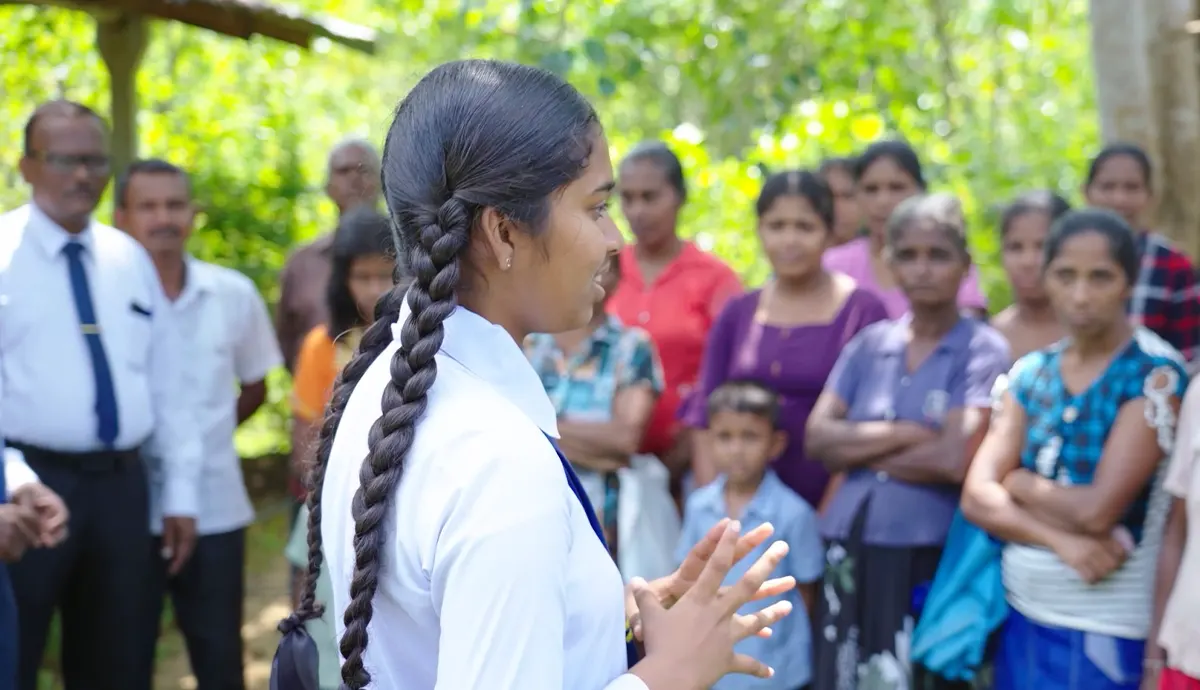
Thriving Communities
GRI 413, 203
Our Commitment:
Be an enabler for positive impact in all communities we work in
Our Commitment to Positive Impact
At MAS, our priority is supporting vulnerable groups, including people with disabilities, the elderly, women, and children.
MAS’s Community Engagement Model (CEM)
GRI413-1
To build and strengthen relationships with the communities in which we operate, we employ the MAS Community Engagement Model (CEM), a strategic approach that ensures all stakeholders are considered. This model provides transparency regarding activity implementation and reporting mechanisms.
The CEM uses a dedicated Community Engagement Team (CEM Team) responsible for analysing community needs, public requests, and employee suggestions. This ensures that all our operations include local community engagement, allowing us to plan annual activities tailored to the specific needs and interests of each stakeholder group.
Our CEM benefits from a thorough stakeholder mapping system. Utilising a data-driven approach, we list all stakeholders in a central document and plot them on Google Maps, facilitating easy identification of relevant individuals or groups when organising activities in specific locations.
Corporate Citizenship
We have structured clear guidelines and methodologies, focusing on six key categories for our corporate citizenship activities: Education, Environmental Initiatives, Health, Local Connect, Nation Minded, and Sports. These categories are further divided into six subcategories: Capacity Building, Wellness, Donations, State-Run Programmes, Disaster Relief, and Infrastructure Development.
To ensure transparency and track progress, we maintain a centralised corporate citizenship dashboard, “Panthera.” To empower localised action, each division controls its own Corporate Social Responsibility (CSR) budget and activity planning, and is required to conduct a minimum of one corporate citizenship activity per month at phase three level.
Community Grievance Handling
MAS Holdings has established structured process in which the company receives, addresses, and resolves concerns or complaints raised by individuals, groups, or organizations within the communities where MAS operates. This mechanism ensures open communication, accountability, and transparency, fostering trust and strong relationships between MAS and its surrounding communities.
Each Strategic Business Unit (SBU) is essential in clearly displaying or effectively communicating the available methods for community members to raise grievances. This ensures that communities are aware of how to voice their concerns and feel confident that their issues will be taken seriously.
MAS has also established a reporting and monitoring system to track community grievances received and addressed. This allows for timely follow-up, accountability, and continuous improvement in how community concerns are managed.