



 Add to My Report
 Download PDF
 Our Approach to Our Planet Changed for Good
 Our Approach to Our Planet Changed for Good
Impact Review
Lives Changed
for Good
Our ability to drive positive change in society hinges on an
evolving social compact with our employees and communities –
one that actively shapes industry norms.
Our Lives Changed for Good pillar embodies this belief in partnership; focusing on tangible impact for the people we employ and the communities we operate in. We’re empowering women, fostering meaningful employment, building world-class workplaces where everyone can thrive, and investing in the long-term development of our communities.
 Read about
how MAS integrates, operationalises, and tracks progress
against social ambitions outlined in the Plan for Change.
Read about
how MAS integrates, operationalises, and tracks progress
against social ambitions outlined in the Plan for Change.
Delivering on our Plan for Change

- Over 5.5 million opportunities created since inception through over 16,147 programmes
- 26% women in management
- 36 locations that provide employer supported childcare solutions
- 43 lactation rooms
- 3,768 mothers supported
- 52% maternity return rate
- 435 persons with disabilities employed within the Group
- 1,000+ knowledge-sharing sessions impacting over 100,000 employees
- 474 staff to executive movements
- 25 average training hours per employee
- 4,400+ H&S Committee members and 2,350 additional H&S point-persons engaged
- 1,250+ H&S-related Committee meetings
- 1,170 H&S trainings reaching 89,000+ employees
- 57% reduction in accident-rate
- 95% completion rate on the Organisational Health Index (OHI) roadmap
- 1,000+ participants in mercantile sporting events
- 2.1 million opportunities created since inception

The Strength of our People
GRI 2-7
In 2024, our manufacturing operations spanned nine countries, with additional customer-facing and support functions in North America and Singapore.
We continue to employ an expansive and diverse workforce, with unique perspectives, skills, and abilities. This rich tapestry of ideas and ambitions fuel our impact through the Plan for Change.
The entirety of our workforce is considered full-time employees; including all teams working on the factory-floor across our operations.
TOTAL WORKFORCE
In 2024, the vast majority of our team, approximately 81%, continue to be employed on a permanent basis with their employment status confirmed after a probationary period. A smaller portion of our workforce, around 8%, are employed on fixed-term contracts, and hired based on operational needs - in accordance with local labour laws. This includes a significant portion of our workforce in Jordan, Kenya, and Vietnam, 68%, 99%, and 95% respectively, are employed on fixed-term contracts.
EMPLOYEES BY STATUS
EMPLOYEES BY DESIGNATION
AGE SPLIT
Total employees by gender by region
|
Region (Country) |
Gender | Employees | |
| Male | Female | ||
| Sri Lanka | 23,510 | 48,594 | 72,104 |
| Bangladesh | 1,368 | 4,187 | 5,555 |
| Indonesia | 742 | 4,805 | 5,547 |
| Jordan | 1,200 | 2,736 | 3,936 |
| Kenya | 886 | 2,713 | 3,599 |
| India | 620 | 2,895 | 3,515 |
| Vietnam | 175 | 949 | 1,124 |
| Haiti | 196 | 527 | 722 |
| Dominican Republic | 121 | 104 | 226 |
| USA | 47 | 108 | 155 |
| Singapore | 1 | 4 | 5 |
| Total average | 28,866 | 67,622 | 96,488 |
Total number of temporary (contract)employees, and its breakdown by grade, gender and region
| Grade category |
Temporary employees |
| Team member | 6,793 |
| Staff | 790 |
| Executive | 361 |
| Manager | 85 |
| Total average | 8,029 |
| Gender |
Temporary employees |
| Male | 2,169 |
| Female | 5,860 |
| Total average | 8,029 |
|
Region (Country) |
Gender |
Temporary employees |
|
| Female | Male | ||
| Kenya | 2,711 | 884 | 3,595 |
| Jordan | 1,911 | 771 | 2,682 |
| Vietnam | 925 | 149 | 1,074 |
| Sri Lanka | 266 | 331 | 597 |
| Haiti | 30 | 27 | 57 |
| Indonesia | 16 | 3 | 19 |
| USA | 1 | 3 | 4 |
| Singapore | 1 | – | 1 |
| Total average | 5,860 | 2,169 | 8,029 |
Total number of permanent employees, and its breakdown by grade, gender and region
|
Region (Country) |
Gender |
Permanent employees |
|
| Male | Female | ||
| Sri Lanka | 22,006 | 43,744 | 65,750 |
| Bangladesh | 1,209 | 3,634 | 4,843 |
| Indonesia | 670 | 4,111 | 4,782 |
| India | 323 | 1,120 | 1,443 |
| Jordan | 288 | 639 | 927 |
| Haiti | 169 | 496 | 665 |
| Dominican Republic | 121 | 104 | 225 |
| Vietnam | 16 | 4 | 20 |
| USA | 6 | 6 | |
| Singapore | 1 | 3 | 4 |
| Kenya | 1 | 1 | |
| Total average | 24,810 | 53,855 | 78,664 |
Total number of full-time employees, and its breakdown by grade, gender and region
All the employees in the organisation are full-time employees. Hence the Total and the breakdown is similar to the “Total Number of employees”.
Note: The values for employees were taken from the system in January, 2025.
GRI 2-8
Given our operational scale and footprint, our work necessitates collaboration with contracted partners and on-site service providers for essential ancillary functions like workplace janitorial services, workplace security, staff canteen management, and staff transport.
These partners and service providers are considered suppliers and suitably vetted as part of our due diligence processes. In addition, they are expected to adhere to the stringent MAS Vendor Code of Conduct (VCC) that outlines expectations for ethical business code.
While not direct employees, these service-provider personnel often work within our facilities and benefit from many of the facilities that make up our world-class workplaces. The Occupational Health and Safety (OHS) section details our commitment to engaging with, and ensuring the safety of, these service providers and their teams. Aligned with the size of our overall operational footprint, most categories of service-provider personnel reflected minor reductions, year-on-year. However, with consideration of new service-provider categories in 2024, the overall count increased marginally.
PARTNER AND SERVICE-PROVIDER PERSONNEL
Empowering Women
- Empower 100% of women at the factory floor
- Over 5.5 million opportunities created since inception through over 16,147 programmes
- 36 locations that provide employer supported childcare solutions
- 43 lactation rooms
- 3,768 mothers supported
- 52% maternity return rate
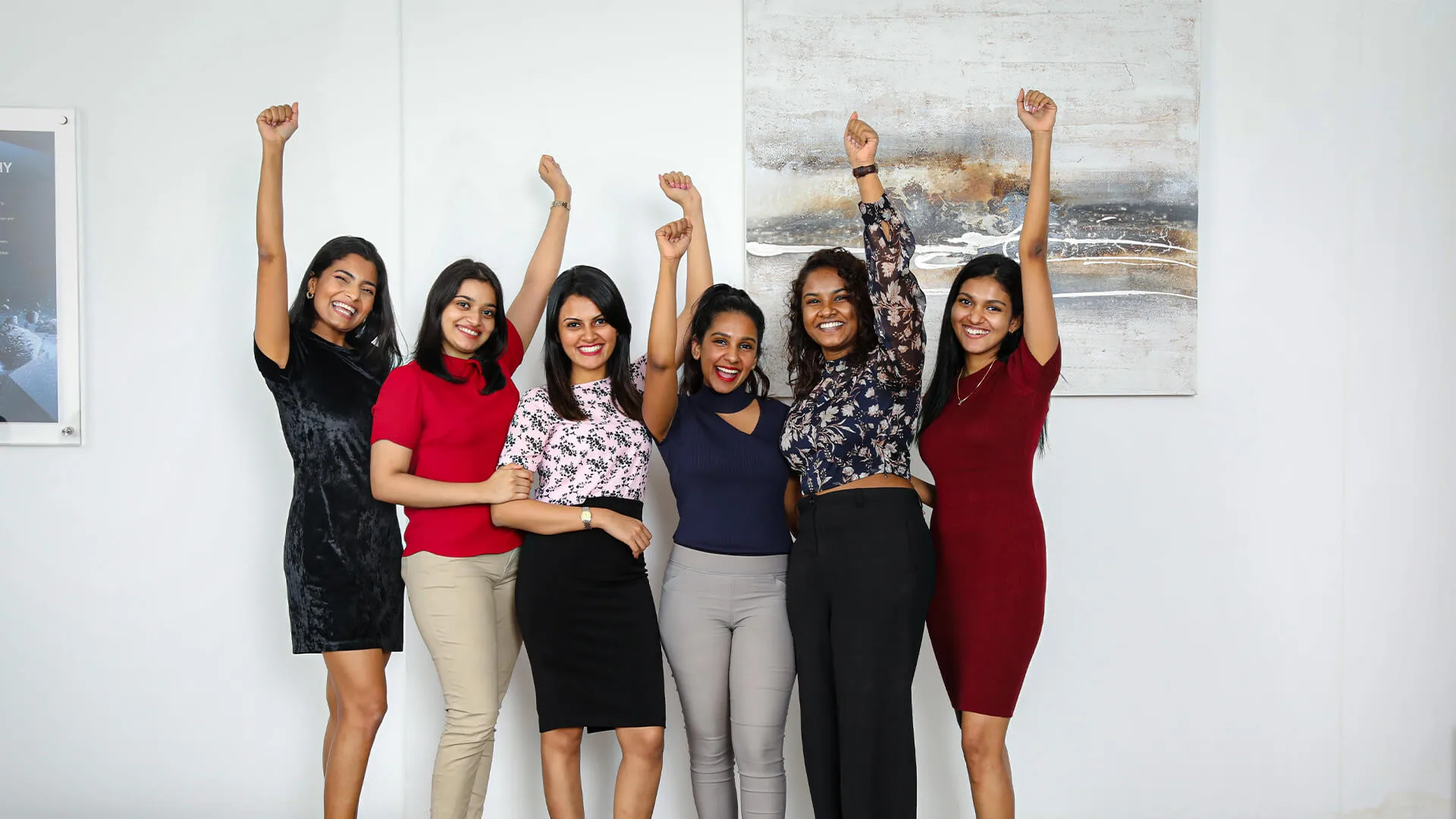
Our focus on women’s empowerment led us to set two ambitious goals: narrowing the gender gap in management and investing in the empowerment of women at the factory floor.
For MAS, a commitment to women across our operations is realised through continuous investment in their development, wellbeing, and happiness; which not only empowers our workforce, but also strengthens the apparel industry’s resilience and sustainability.
We believe that true women’s empowerment is more than
programme or a series of projects; it is a holistic ecosystem
that integrates economic, social, and political dimensions.
Take a deep-dive into our comprehensive and collaborative
approach to
women’s empowerment
that is setting standards in the apparel industry.
Our Framework of empowerment


Signature programme for women’s empowerment at MAS
- 5.5 million opportunities created and 16,147 programmes implemented for women since inception
For 21 years, MAS has championed a commitment to women through the flagship Women Go Beyond (WGB) programme, which is grounded in our comprehensive framework for women’s empowerment. This initiative has evolved over the last two decades, adapting to the complex and changing needs of women within our operations and communities, both in Sri Lanka and overseas.
In these two decades we have delivered over 16,147 programmes and created more than 5.5 million opportunities for women, resulting in multiple, tangible, positive outcomes for our women, their families and communities. This level of sustained investment, with a focus on multi-faceted intervention, has resulted in meaningful advances for gender equality in our operations.
Today, while deepening the scope of original interventions
like Sexual and Reproductive Health and Rights (SRHR) and
Gender-Based and Intimate Partner Violence (GBV/IPV), the
programme also encompasses a comprehensive strategy
addressing systemic inequalities. This includes a focus on
policy and infrastructure-level interventions to address
gaps in resources, skills, rights, and needs for women and
other groups marginalised due to gender. Our achievements in
implementing the principles of Diversity, Inclusion, and
Freedom of Expression and Identity for All are detailed in
the subsequent
Meaningful Employment
section.
Career Advancement and Skill Development
GRI 404-2
In 2024, our career advancement work for women on the factory floor continued with multiple interventions across all our main divisions. Focus areas included leadership and personality development, technical competency building, communication, public speaking and presentation skills, IT literacy, conflict management, negotiation and influencing etc. In addition, focused interventions continued to identify and bridge technical gaps among women on the factory floor in identified job roles, especially in traditionally male-dominated spaces.
Focused Career Advancement: Innovative Programmes Shaping our Women’s Future
Key Influencer Programme (MAS Intimates): Launched as a complement to the well-established Personal Advancement and Career Enhancement (PACE) programme, which is developed with the assistance of GAP Inc. to fill knowledge gaps between Team Member (TM) and Staff grade employees.
FutureFemme (MAS KREEDA): A leadership development training rolled out in 10 locations, focused on Abhimani winners and women in manufacturing facilities as Shadow Team Leaders. The training programme aligns with the MAS Plan for Change and Nike’s Gender Equity Strategy, which aim to identify, nurture, and elevate the potential of over 250 carefully-identified prospective woman leaders on the factory floor.
Through formal career mapping and skill-gap assessments, the programme strives to address identified gaps through targeted training for technical competencies, soft skills, and leadership development.
SparkMech (MAS KREEDA): A technical training programme designed to empower and encourage women to pursue traditionally male-dominated job roles in the apparel industry. In 2024, a mini boiler operator certification programme was initiated under SparkMech to train all ironers on mini boiler operation. By the end of the year, 19 women ironers from locations in Biyagama, Avissawella, and Kilinochchi areas in Sri Lanka, were qualified with the certification.
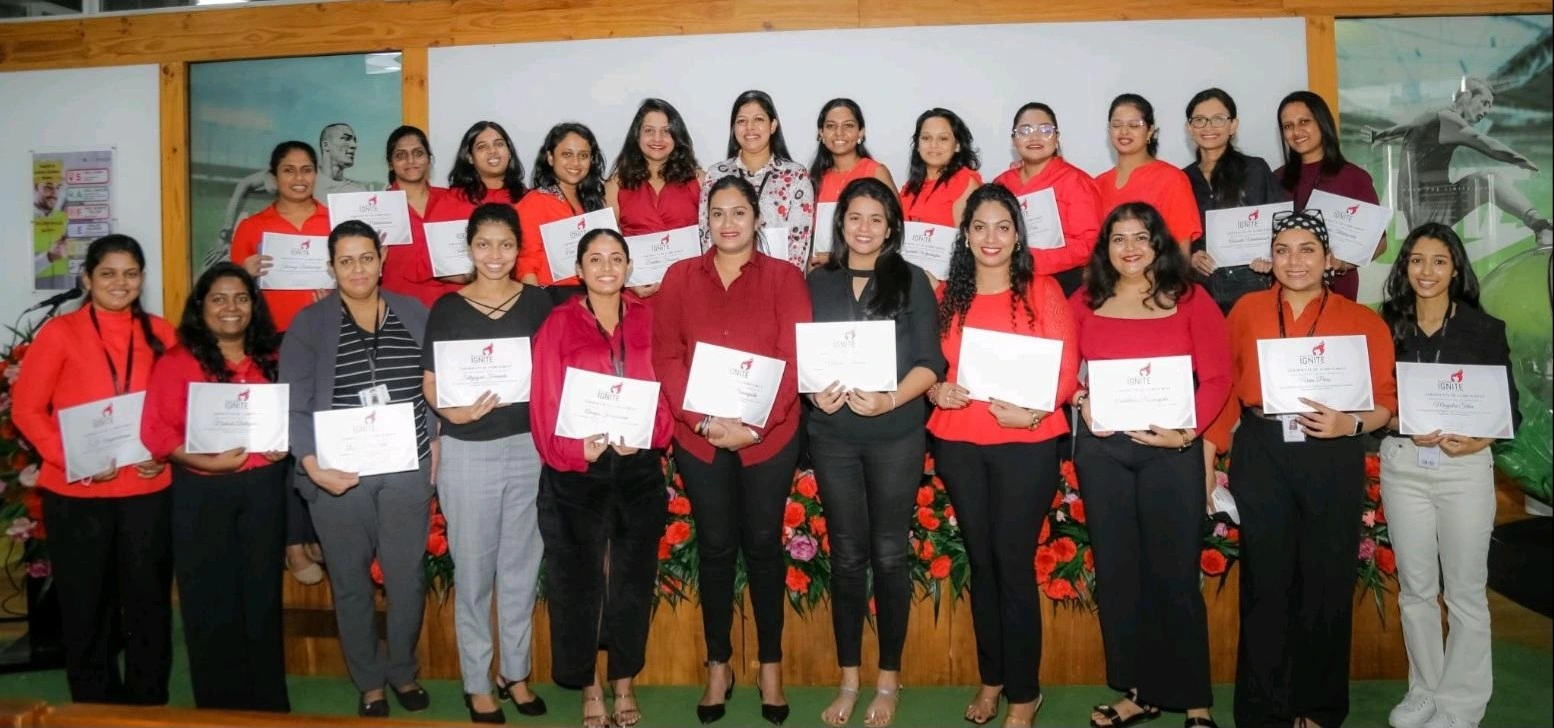
Ignite – Women in Leadership (MAS KREEDA):
A transformative programme designed to cultivate
high-potential female Senior Executives, equipping them with
the leadership skills necessary to build a stronger and more
gender-balanced management pipeline. The programme,
supported by
 Luminary Learning Solutions
, celebrated another successful graduation in 2024 as 26
promising female Senior Executives from manufacturing and
front-end operations completed six months of intensive
training, mentorship, and impactful project work. We
implement similar programmes across all divisions with the
intention of promoting more women in traditionally
male-dominated job families.
Luminary Learning Solutions
, celebrated another successful graduation in 2024 as 26
promising female Senior Executives from manufacturing and
front-end operations completed six months of intensive
training, mentorship, and impactful project work. We
implement similar programmes across all divisions with the
intention of promoting more women in traditionally
male-dominated job families.
Cross-Departmental Training (Matrix): This 2-day programme, conducted within Matrix, created opportunities for women to explore different roles in other departments, improve their network, expand their skill-sets, and gain exposure beyond their current job role; significantly enhancing their adaptability and career growth opportunities. This initiative has already seen incremental impact, with 10 women completing the cross-training in 2024, and an overall 10% increase in women applying for roles outside of their initial job functions.
“The cross-training programme opened up new opportunities that I had never imagined. It helped me gain skills that made me eligible for a role in a different department, and I’m excited to take on these new challenges”.
Shanika Bandara
Senior Executive, Matrix

Empowerment through Entrepreneurship
Developing and promoting more women entrepreneurs has always been a key focus area for MAS. While our women had secure employment in our operations, many had communicated interest in making the most of the shift nature of their job to leverage additional opportunities for income generation for their families, spouses, and communities.
In 2023, responding to needs voiced by our teams on the factory floor and considering Sri Lanka’s economic crisis, we gave greater priority to developing female entrepreneurs and supporting women in their small-scale ventures and self-employment efforts.
In 2024, these efforts were further supported by a Group-led
entrepreneurship and skill development programme, carried
out in partnership with Lonali Rodrigo, founder of the
House of Lonali . This initiative enabled participants from all our
divisions to explore five learning modules on
Entrepreneurship, Sustainability and Emerging Opportunities,
Supply Chain, Marketing, Finance Management, and Business
Canvas - including cost structures and income structures. As
part of the second phase of this programme, participants
were coached to develop business plans that could be
expanded into full-fledged business solutions.
Over and above this centralised initiative, we continued implementation of targeted training programmes with practical application at all our locations. Programmes covered areas such as tailoring, beauty culture, cookery/culinary skills, cake baking and decorating, etc.
MAS Active continued the Diriyapola (fair of the courageous) initiative throughout 2024 as a monthly establishment. The Diriyapola guide was used to support all entrepreneurs within their facilities and in the community, encouraging them to move away from reselling businesses and to focus on business initiatives that provide them with long term growth and success.
Recognising the inherent value of financial literacy to entrepreneurship, and in personal lives, we partnered with the Central Bank of Sri Lanka to develop and carry out a practical educational session with the objective of improving Financial Literacy among our employees. The programme was piloted at Bodyline in 2024, and discussed areas such as personal financial planning, effective debt management, smart investing, and savings strategies. Additionally, it equipped participants with the knowledge to identify and avoid financial scams, while promoting responsible money management. We plan to extend this programme to other locations in the Group in the coming years.
Creating Role Models, Mentoring, and Sponsorship
The culture of knowledge-sharing across MAS is driven by formal mentoring, targeted sponsorship, and inspirational peer-interactions sparked by role models that have grown with and through our ranks. This has created a supportive network of mentors and like-minded peers, particularly amongst our female talent, with role models to pave the way for others in the cadre. In 2024, more than 220 carefully selected women from the Executive and Senior Executive cadre were given formal mentorship opportunities with over 150 mentors within the Group.
The success of our targeted mentorship programme is evident: an 85% retention-rate among mentees and 66% achieving at least one promotion in 2024; the latter referring to protégés within the Sponsorship Programme. Furthermore, over 60 women in managerial roles have gained formal sponsorship from 40+ EXCO members and senior leaders across the Group.
“My mentor’s journey inspired me to break through my own career barriers. She not only helped me develop my skills but also gave me the confidence to aim for senior roles”.
Hasanthi Koswatta
Mentee – Matrix
“Abhimani: Empowered Woman of the Year” Awards
Signature excellence-recognition programme for women’s empowerment at MAS
Launched in 2004, the initiative seeks to recognise, celebrate and showcase the outstanding achievements of our women. The programme predominantly focuses on women on the factory floor, and also highlights female entrepreneurs and women driving progress in sustainability and innovation across the Group. MAS provides these women with supplementary skills to prepare them for internal and external evaluation panels before the competition. We remain dedicated to supporting their growth beyond the Awards, enabling them to contribute meaningfully to their broader communities.
In 2024, the Abhimani programme continued its tradition of recognising and rewarding excellence among our women from different walks of life, and is an important tool in cultivating empowered role models across the organisation. We proudly recognised and celebrated over 120 remarkable female changemakers in 2024, together with the 20th Anniversary celebration of the Women Go Beyond programme; providing a platform to share stories of exceptional women within and outside MAS.
Each Abhimani winner at Team Member (TM) or Staff level was assigned a trained mentor and set up for one-on-one conversations with their respective General Manager – Production. We saw these opportunities as essential, not only for providing vital support for their growth, but also for granting them the visibility and recognition they rightfully deserve.
As part of our multi-faceted approach to fast-tracking career progression of these outstanding women, the Programme included conversations with inspirational women leaders, a hands-on workshop that offered a fresh perspective on emotional resilience, communication and confidence-building through theatre techniques - conducted by Power of Play, and a diversity and respect sensitisation workshop conducted by Kapila Rasnayake – a Gender and Communication Consultant. The holistic approach to personal development also included training on building self-awareness, connecting with your purpose and personal branding followed by a hands-on experience in business and social etiquette conducted by Manusha Weerakkody – Executive Coach and HR consultant.
All Abhimani winners in Sri Lankan and overseas locations were also offered a series of group coaching sessions on identifying, setting, and actioning goals for their personal and professional lives. Winners and runners-up also were offered a comprehensive English Language Development Certificate Programme, tailor-made for their needs, in collaboration with Sri Lanka Institute of Information Technology (SLIIT). The certificate programme was conducted in a combination of online and on-site sessions, covering a multitude of aspects and culminating with a Best Speaker Contest between the top participants who were also supported through coaching in the run-up to the contest.
“Over the past year and a half, the knowledge I gained from the various training workshops I attended has been instrumental in helping me self-evaluate and further develop my skills and attitudes. Thanks to the support from the WGB team, I was able to enhance my abilities, which led to participation in The Abhimani Awards. Not only did I take part, but I was also honored to win as an Empowered Woman of the year 2023 for MFI. I got the opportunity to take part in the SLIIT English Course, which significantly improved my language skills and transformed me into a more confident and effective individual at work. These experiences have been pivotal in my growth, and I am deeply grateful for the continued support and opportunities provided by the WGB team”.
Piumi Nisansala
Team Leader (Operations), MFI – Active
“The session on goal-setting was very insightful and helped me clearly map my short and long-term goals. This was a good opportunity for me to reflect on myself and plan my future”.
Tasnim Al Hissa
Winner – Empowered Woman of the year, MAS Kreeda Al Safi
Madaba, Jordan
“First of all, the Comprehensive English course helped me brush-up on grammar that was taught to me in my school days. One of my biggest fears was public speaking and this course provided me with the opportunity to practice and improve my confidence and develop my public speaking skills by overcoming this fear. Throughout this class, I was able to learn and enhance my English proficiency, and I was selected to be among the top 6 best speakers. Not only was I able to receive the award for Best Speaker at the final contest, I was also able to pass the written exams with an A-grade as well. I am very grateful for this opportunity which is a great support my career progression”.
Anjalika Senadheera
Winner – Best Speaker contest
“Teaching has always been my passion, and I’m grateful to have had the opportunity to pursue it professionally. I completed my Higher National Diploma in Primary Teaching (Grades 1-5), and currently, have the privilege of teaching English to three wonderful students. I had taken a step back from teaching for a while, but enrolling in the SLIIT English course reignited my passion for education and helped in refining and expanding my knowledge. Therefore, I am grateful to Linea Intimo and the WGB team for pushing me to take part in this course”.
Ayesha Piyumali
Team Member – participant of the English development programme, Linea Intimo, Active
Enabling Environment and Affirmative Action
GRI 401-3, 403-6
Our women’s empowerment programmes integrate targeted interventions with broader system-change, wrought through policy support, infrastructural changes, affirmative action, and addressing unconscious bias. These efforts are nurturing an enabling environment that can attract, retain, and empower our female talent to excel.
To facilitate this, we continue to advocate, advice and support policy and infrastructure changes, such as childcare facilities, lactation rooms, recruitment considerations, and policies for flexible-work, maternity and paternity leave, adoption leave, etc.
As of 2024, 36 of our global locations provide at least one type of employer-supported childcare, benefiting over 500 children. Employer-supported childcare can be through provision of an internal creche, external creche or even an allowance – depending on the need of the location. While 43 of our locations have a designated lactation room that can be used by mothers returning from maternity, there are other specific interventions, implemented throughout the Group, that focus on expectant mothers. At a group level, all mothers were entitled to the legally mandated 84 days of maternity leave and over 3,768 mothers were supported during the year – not only with maternity leave, but also through provision of additional care, nutritious meals, awareness and education, and other provisions such as care packs. Additionally, our policies for paternity leave enabled 1,083 fathers to utilise paternity leave during the same period. While paternity leave is not a legal requirement, we remain committed to supporting our fathers in balancing work and family responsibilities.
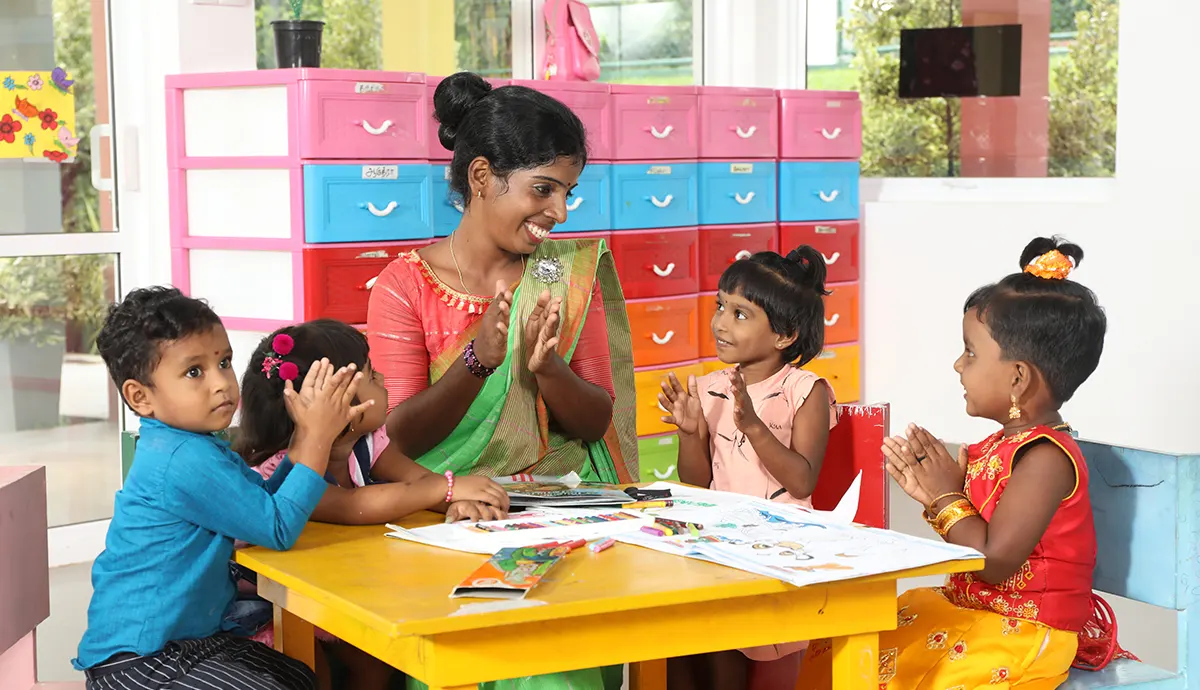
“When I began at 21, as a LKG (Lower Kindergarten) teacher, I was looking to build my future. Today, I’m a proud mother of a 3-year-old, who now is also an LKG student at Sithula. Sithula gave me the foundation and confidence to become the woman I am, and I’m incredibly grateful for the journey. Looking back, I feel immense gratitude for everything Sithula has provided not just a job, but a community that has shaped my life. I hope MAS continues to support this amazing institution, so future generations can experience the same opportunities that I did”.
Sonali Iresha Mariya Bandara
Teacher at Sithula Community Pre School offered by Linea
Intimo – MAS Active
These ongoing efforts have enabled MAS to achieve a maternity return rate of 52% in 2024, as well as a paternity return rate of 87%. To facilitate a smooth transition back for our staff, we monitor return-to-work rates and take proactive steps understand their needs.
| Paternity leave (male) | Maternity leave (female) | |
| Employees entitled for parental leaves | 1,083 | 3,768 |
| Employees utilising parental leave | 1,083 | 3,768 |
| Employees who returned to work after parental leave ended | 941 (definition is the number that retained beyond 3 months upon returning) | 1,962 (definition is the number that retained beyond 3 months upon returning) |
| Return-to-work rate | 87% | 52% |
| Those still employed 12 months after their return to work | 139 (525 remained beyond 6 months upon returning) | 361 (1,025 remained beyond 6 months upon returning) |
Women’s Health and Sexual and Reproductive Health and Rights (SHRH)
Health and wellbeing of our women is a key priority for MAS, and many of our initiatives focused on women’s health and Sexual Reproductive Health and Rights (SRHR) continued, across all divisions, throughout the course of 2024.
All MAS facilities continue to include an in-house medical center with trained nurses and visiting doctors available in the factory premises. Emergency sanitary pads are also made accessible at all locations; free of charge or at a subsidised amount.
In addition to the number awareness programmes conducted in 2024, all locations conducted at least on medical camp providing women the opportunity to get screened for breast cancer and cervical cancer.
Understanding that our employees’ wellbeing is intrinsically linked to their families and communities, we carried out 174 programmes, and reached over 8,523 beneficiaries from the community during the course of the year.
A Strategic Partnership for Women’s Health
Marking a milestone for MAS in 2024, we signed an MoU with
UNFPA
on women’s health and wellbeing on 28 November 2024. This
MOU aims to provide a framework of cooperation and
facilitate collaboration between MAS and UNFPA, with the
goal of increasing investment in health and wellbeing
service delivery through workplace interventions to reach
and empower women and girls in the apparel sector. Initial
collaborations, following the MoU signing, have already
begun – including upgrading of existing medical centres,
carrying out awareness work, and setting up wellness centres
in BOI zones accessible to MAS and other employees.
Circle of Care: Women’s Health and wellbeing
Idle Module Training Marathon (Linea Aqua): A series of training sessions were organised in 2024 with the objective of engaging employees during down-time, and enhancing their understanding on topics such as menstrual health and hygiene, family planning, maternal health, and prevention of Sexually Transmitted Infections (STIs).
Nobody Fights Alone (Bodyline): This ongoing Cancer-care and community support programme, launched in 2021, continues to address the urgent need for early cancer detection and support for those affected by breast cancer. In 2023, this programme was honored as a joint winner at the MAS Changemaker Awards, alongside MAS Intimates, in the “Lives Changed for Good” category. The cash component of the award was reinvested in the programme – renovating the Well Woman Clinic at the Ingiriya Hospital, which benefits women, aged 40 years and above, within a radius of 10 km from our facilities. This clinic, now upgraded, is easily accessible to communities living in Ingiriya, and also serves as the nearest facility for Bodyline factory workers seeking breast cancer screenings and family planning consultations.
Menopause and SRHR: Following up on last
year’s initiative, Group carried out an in-person refresher
programme in collaboration with the
Menopause Society of Sri Lanka.
Awareness work continued in small groups through our internal trainers across all divisions with the hope of breaking the stigma and normalising this very natural change in a woman’s body.
HIV Awareness and Prevention: Considering
rising HIV numbers in Sri Lanka, MAS lent support to the
Country’s national efforts aimed at controlling the spread
through information and awareness. We conducted in-person
Train-the-Trainer sessions in 2024, in partnership with Sri
Lanka’s
National STD/AIDS Control Programme
bringing the right information, addressing common myths, and
raising awareness through posters and other tools
distributed among trainers from all our divisions. As a
further step in this effort, MAS also launched a series of
podcasts on social media themed – “The Shame Epidemic”,
focused on halting stigma and misinformation that hold back
the fight against HIV. The podcast included conversations
with Dr. Janaka Weragoda, Consultant Community Physician at
National STD/AIDS Control Programme, and Hans Billimoria
from the Grassrooted Trust.
Preventing and Addressing Gender-Based Violence (GBV)
All our divisions engage in mandatory quarterly awareness sessions on preventing and addressing gender-based violence, including legal consultation sessions.
Intimates rolled out a series of activity-based Body Safety Education workshops in 2024 curated for parents and teachers at MAS and in the wider community. The workshops were organised to provide proactive education and awareness with the intention of ensuring the safety and wellbeing of children.
This was paired with a Body and Boundaries Workshop for children aged four and above, specifically including children of our employees and their communities. This interactive, activity-based training, titled ‘My Body! My Choice!’ guided children on how to recognise and respond if their personal boundaries are violated, and equipped them with essential knowledge to protect themselves and seek help when needed.
In 2024, our collaboration and partnership with UNFPA included efforts to create awareness on GBV in line with the global movement: 16 Days of Activism Against Gender-Based Violence. Aside from MAS taking part in a marathon organised for the cause, several of our facilities in Bodyline, Active, and Kreeda, were lit up in orange, as part of the ‘Orange the World’ call-to-action that is working to end violence against women and girls. Commemorative efforts also included audiovisuals and other modes of awareness-raising. We also conducted two in-person awareness and sensitisation workshops for our trainers and those who volunteered to be change-agents in this journey. The workshops were conducted by Ms Bimali Amaresekera, National Programme Analyst, Women’s Rights and Gender at UNFPA.
In addition to the community-focused work carried out on GBV by all our divisions, Linea Aqua worked with Sri Lanka’s AG Office – Dompe, Prison Department, and Treatment and Rehabilitation Division, to conduct education programmes on domestic and cyber-violence and exploitation. This initiative, which included an awareness session at the rehabilitation center in Meethirigala, sought to address some of the root causes for GBV, including abuse of drugs and alcohol.
Men-Engage for Equitable Workplaces
In 2024, MAS initiated a new partnership with the
Grassrooted Trust
to gather insights on the experiences, challenges, and needs
of male employees, with a focus on determining potential
interventions to better support male employees at MAS, while
making them better allies in our journey towards gender
equity.
The Grassrooted Trust facilitated a series of 14 independent Focus Group Discussions (FGDs), across multiple MAS facilities and all organisational bands – ranging from TM/Staff, up to Director level.
The conversation centred on mental health and interpersonal relationships, physical and sexual health, perceptions/prevailing attitudes towards gender and sexuality, and managing personal economy.
The discussions were well received, generating a number of important perspectives and providing our teams with important insights on interventions that could be implemented in the coming years.
Women in Management
GRI 405-1
2024 has been yet another challenging year, with shifting ground realities and changes in the internal and external environment. Despite these exigent circumstances, we saw an improvement in our Women in Management metric – reaching 26% in 2024, from 24% the previous year.
Our successes in improving gender equity at management-level are closely connected to the support, commitment, and accountability of Senior Leadership at MAS, who drive this agenda and are an integral part of creating a more supportive and a conducive environment for women.
Alongside targeted interventions, we also provide tools and create access to resources and networks that empower our women on multiple fronts. To support this agenda, our women’s networks continued through 2024, where all divisions across the Group launched divisional women’s networks aligned with a set of Group-wide guidelines. Over 180 women from our major divisions were a part of these divisional networks during the year, with the opportunity to connect at a Group level, which received overwhelmingly positive feedback.
Our journey towards gender equity has been incremental and positive – overall Women in Management numbers have improved from 21% in 2019 to 26% in 2024. However, we are conscious of the fact that we will not achieve our aspirational goal of 30% by 2025. This is due to struggles in pipeline building, attracting and retaining women in the manufacturing industry, and many of the gaps we need to continue to address as businesses and as an industry.
Similarly, although the women’s representation at Board-level (MAS Capital and MAS Holdings Boards) has reduced marginally – 21% in 2024, from 23% the previous year, we are heartened that this is still a significant increase from 8% in 2018, when our active interventions began. MAS will continue to place relevant targets for ourselves as we check and adjust our journey.

Meaningful Employment
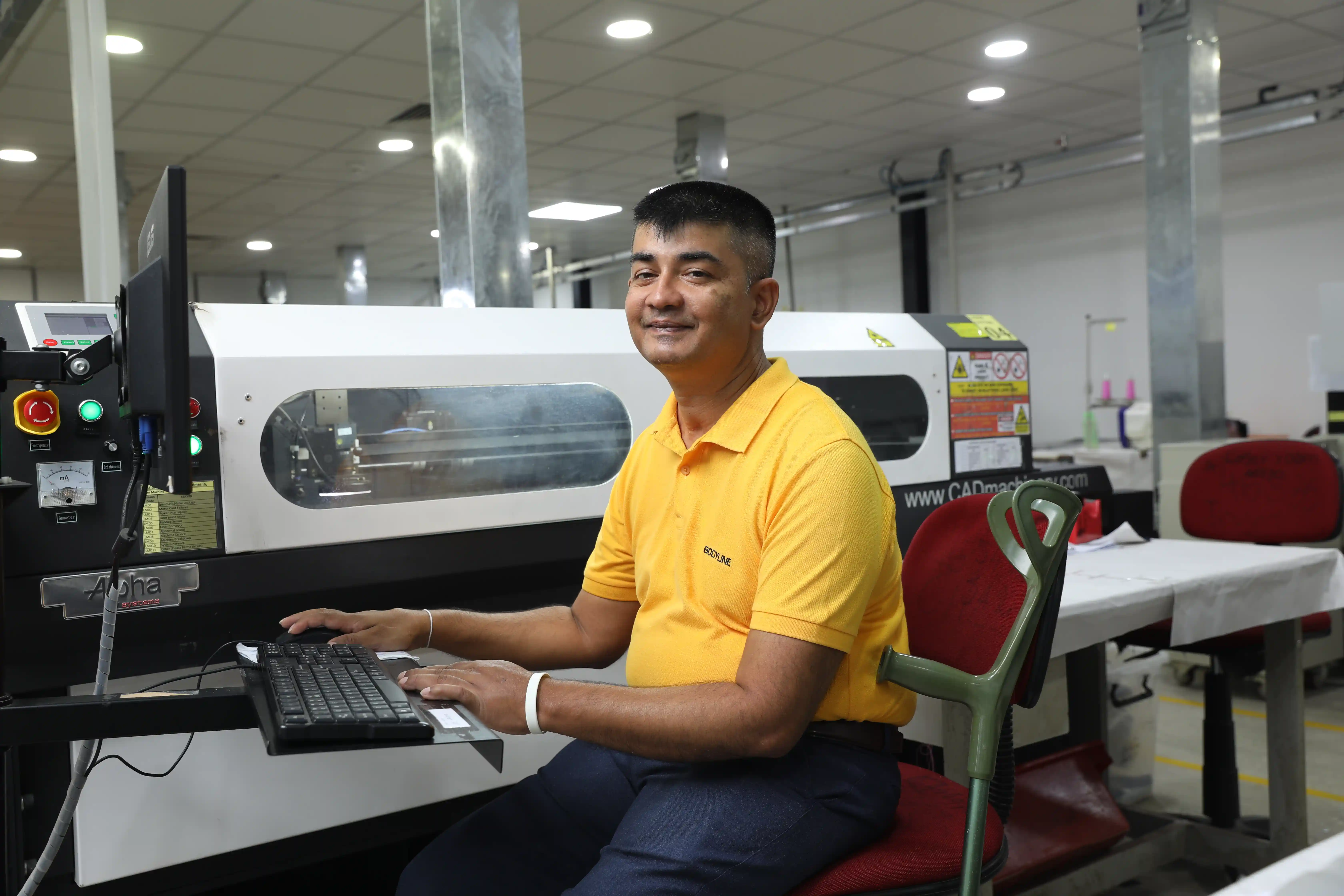
Meaningful employment in the apparel industry is a value-lever that considers the needs and motivations of the people behind the positions, as much as it considers their job-roles, skillsets, and experience. This section details our commitment to fostering meaningful employment for the thousands of employees who call MAS home.
Read about the
Social compact
that governs our approach to meaningful employment and the
core values enshrined in our strategies for recruitment,
training, and more.
Attracting and Retaining Talent
GRI 401-1
We continued to build on the previous year’s momentum in 2024, by strategically amplifying MAS’ value proposition to employees and prospective candidates through targeted branding efforts.
As an equal opportunity employer, we continued to prioritise finding the best-qualified candidates for each role, irrespective of race, gender, age, sexual orientation, disability and religious beliefs. This is reflected in our job postings, flyers, and throughout the entire recruitment process and policy.
Our workforce numbers remained fairly stable in 2024 – at 96,488 average headcount; reflecting a marginal 4% downtick from 100,457 in 2023. Employee hires in 2024 amounted to 31,848 at a 33% hire-rate, against the employee turnover of 30,301 at 31% turnover rate. Closure of our Haiti Business Unit in mid-2024, corresponded with expansion and resultant increased hiring at other business units that resulted in no significant net change to our workforce.
Total number and rate of new employee hires, by grade, gender and region
Total new hires
31,848
Total average employees
96,488
Rate of new hires
33.01%
| Age category |
Total new hires |
Total average employees |
Rate of new hires |
| Under 30 years old | 24,960 | 48,289 | 52% |
| 30-50 years old | 6,849 | 46,220 | 15% |
| Over 50 years old | 39 | 1,979 | 2% |
| Total | 31,848 | 96,488 | 33% |
| Female | Male | |||||
| Age category |
Total new hire |
Total average employees |
Rate of new hires |
Total new hire |
Total average employees |
Rate of new hires |
| Under 30 years old | 19,919 | 34,432 | 58% | 5,041 | 13,857 | 36% |
| 30-50 years old | 5,707 | 31,944 | 18% | 1,142 | 14,276 | 8% |
| Over 50 years old | 19 | 1,252 | 2% | 20 | 728 | 3% |
| Total | 25,645 | 67,628 | 38% | 6,203 | 28,860 | 21% |
| Region (Country) |
Total new hires |
Total average employees |
Rate of new hires |
| Bangladesh | 2,997 | 5,555 | 54.0% |
| Dominican Republic | 3 | 226 | 1.3% |
| Haiti | 2 | 722 | 0.3% |
| India | 2,437 | 3,515 | 69.3% |
| Indonesia | 2,191 | 5,547 | 39.5% |
| Jordan | 659 | 3,936 | 16.7% |
| Kenya | 804 | 3,599 | 22.3% |
| Singapore | 2 | 5 | 40.0% |
| Sri Lanka | 22,371 | 72,104 | 31.0% |
| USA | 30 | 155 | 19.4% |
| Vietnam | 352 | 1,124 | 31.3% |
| Total | 31,848 | 96,488 | 33.0% |
NEW EMPLOYEE HIRES BY GRADE
NEW EMPLOYEE HIRES BY GENDER
The values for recruitment and turnover of employees has been taken from the systems in January, 2025.
Total number and rate of employee turnover, by grade, gender and region.
Total terminations
30,301
Total average employees
96,488
Rate of employee turnover
31.40%
| Age category |
Total Terminations |
Total average employees |
Rate of employee turnover |
| Under 30 years old | 19,945 | 48,289 | 41% |
| 30-50 years old | 9,979 | 46,220 | 22% |
| Over 50 years old | 377 | 1,979 | 19% |
| Total | 30,301 | 96,488 | 31% |
| Female | Male | |||||
| Age category |
Total terminations |
Total average employees |
Rate of employee turnover |
Total terminations |
Total average employees |
Rate of employee turnover |
| Under 30 years old | 16,257 | 34,432 | 47% | 3,688 | 13,857 | 27% |
| 30-50 years old | 7,686 | 31,944 | 24% | 2,293 | 14,276 | 16% |
| Over 50 years old | 257 | 1,252 | 21% | 120 | 728 | 16% |
| Total | 24,200 | 67,628 | 36% | 6,101 | 28,860 | 21% |
| Region (Country) |
Total terminations |
Total average employees |
Rate of employee turnover |
| Bangladesh | 1,624 | 5,555 | 29.2% |
| Dominican Republic | 75 | 226 | 33.2% |
| Haiti | 1,628 | 722 | 225.5%* |
| India | 2,034 | 3,515 | 57.9% |
| Indonesia | 1,784 | 5,547 | 32.2% |
| Jordan | 1,106 | 3,936 | 28.1% |
| Kenya | 606 | 3,599 | 16.8% |
| Singapore | – | 5 | 0.0% |
| Sri Lanka | 20,889 | 72,104 | 29.0% |
| USA | 46 | 155 | 29.7% |
| Vietnam | 509 | 1,124 | 45.3% |
| Total | 30,301 | 96,488 | 31.4% |
EMPLOYEE TURNOVER BY GRADE
EMPLOYEE TURNOVER BY GENDER
*With the closure of the Haiti Business Unit in mid-2024, the total average number of employees decreased significantly, making the total terminations for the year appear higher than the total average and resulting in more than 100% turnover rate.
Engaging the Brightest Young Minds
- 26 career fairs
- 59 guest lectures, workshops, and forums – attended by over 5,000 students
- 39 skills for work sessions
- 1,751 interns engaged
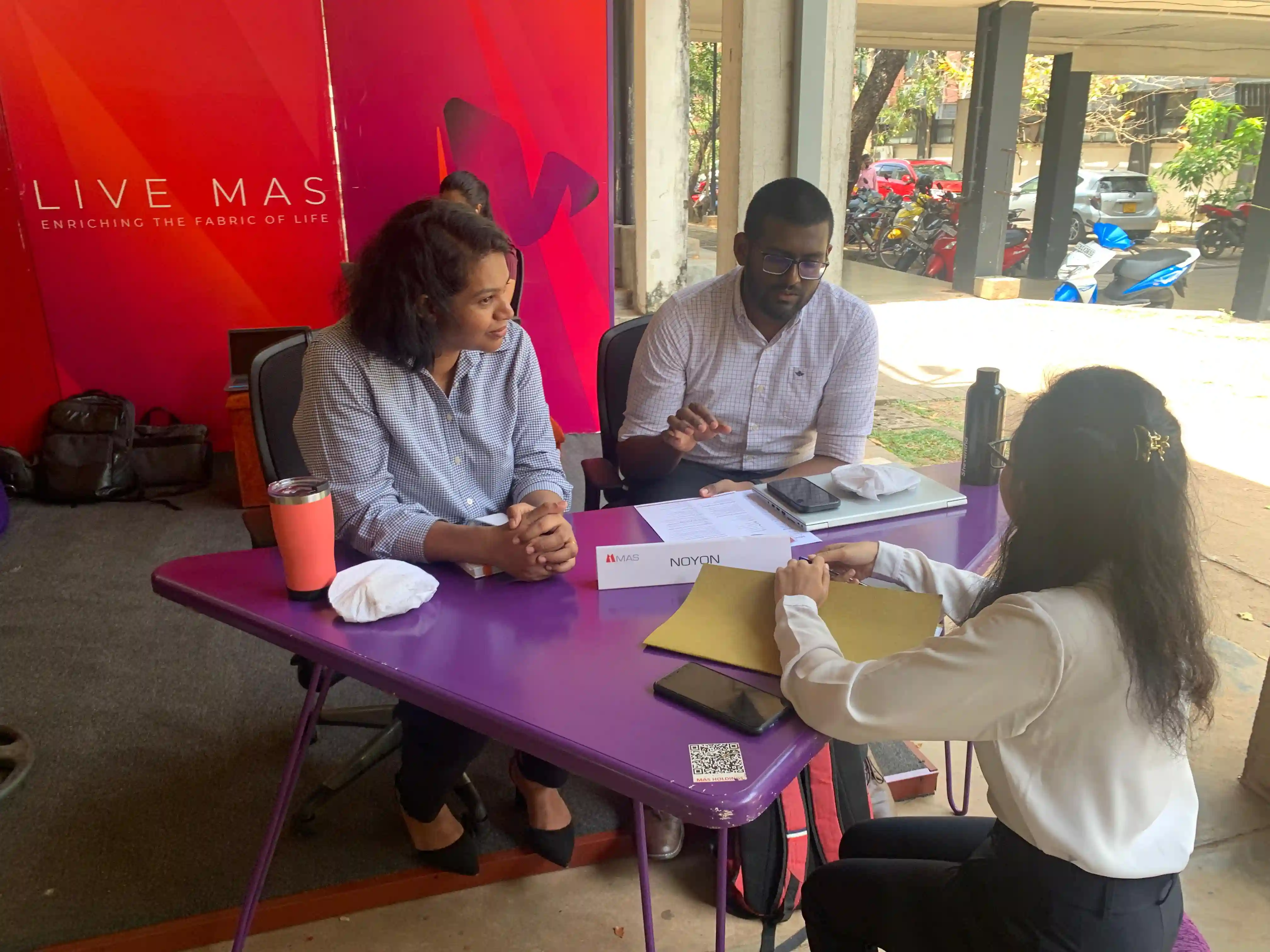
MAS took part in 26 career fairs during the year, including MAS Open Days at state and private universities. MAS Open Days is a recruitment drive organised solely for MAS, where we are able to provide one-on-one attention and advice to students on employment opportunities that align with their career goals.
Our engagement in career fairs and recruitment events goes beyond recruitment, intending to develop the Country’s future workforce by nurturing young graduates across various disciplines. Skill development programmes in the form of guest lectures, workshops, and forums are prime examples of how some of our internal subject matter experts share their knowledge, skills, and expertise on succeeding in the ever-evolving job market. In 2024, MAS worked to upskill more than 3,000 students by facilitating 59 guest lectures and conducted workshops attended by over 2,000 students.
MAS internship programmes provide immersive, hands-on experiences across various departments; offering mentorship, industry experience, and skill development opportunities for students and recent graduates. In addition to the signature internship initiatives detailed below, the Group’s ongoing internship programme runs year-round, and engaged 1,751 interns during 2024.
MAS, Dialog, and Hemas Summer Internship Programme
The Summer Internship Programme, in partnership with Dialog and Hemas, is a longstanding initiative established 19 years, providing a curated experience for Sri Lankan students studying in private universities locally and or global universities overseas. This collaboration between some of the Country’s largest conglomerates showcases the vast capabilities of Sri Lankan enterprises and opportunities in the job-market; with the intention of motivating young talent to remain in the Country or return to Sri Lanka once they have completed their studies.
Over the course of the 6-week internship programme, selected interns have the unique opportunity to engage in projects, meet leaders and subject matter experts, attend knowledge sharing sessions, and take part in various workshops across the three companies and industries. They gain a deeper understanding of each organisation’s operations, and build essential knowledge and experience that would smoothen their transition into the professional world.
MAS Global Internship Programme
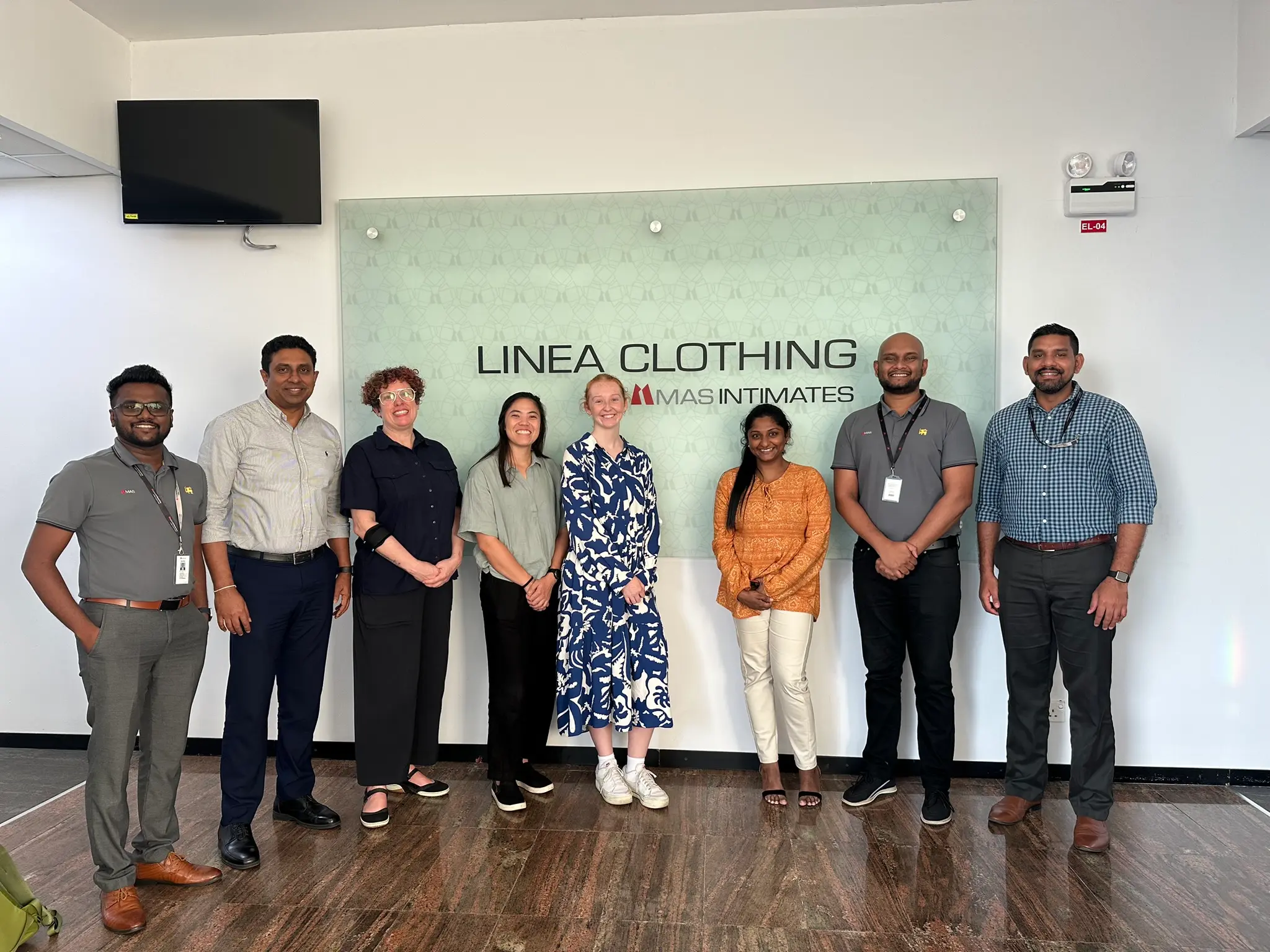
The MAS Global Internship Programme, in partnership with the University of Oregon, USA entered its second year in 2024. Tailored for postgraduate students, this year’s cohort included three interns from the Sports Product Management and Sports Product Design programmes. Throughout the internship, the interns were provided with an in-depth look at the Company’s capabilities, visiting eight MAS facilities to gain valuable insights. In addition, the interns were given the chance to travel and explore Sri Lanka’s best offerings, enriching their overall internship experience in the Country.
Together, these initiatives help maintain our position as a leading employer of choice for students, while also strengthening our brand presence and drawing exceptional young talent to the organisation.
MAS Alumni Network: Redefining the Employee Experience Beyond Exit
Over the course of the year, the MAS Alumni Network expanded to include 47 former Deputy General Manager and above individuals from across the Group. The network was formed with the goal of extending the employee experience beyond their point of exit, fostering ongoing relationships with former employees.
Learning and Development
GRI 404-1, 404-2
We adopted a well-rounded approach to training in 2024, blending a variety of methods and channels to best meet the needs of our employees.
For Team Members and Staff categories, we focused on hands-on instructor-led training and blended learning formats, while prioritising targeted self-paced training for our Executive and Senior Leadership teams. This approach ensured that employees had access to the most relevant learning opportunities tailored to their roles and career progression.
Many of our signature programmes and self-directed learning options, empower employees to take control of their own growth. Owing to the success of this approach, we were able to deliver an average of 25 hours of learnings per employee in 2024.
Group-wide talent reviews, conducted by our Centre of Excellence (CoE) assess localised and region-specific challenges to align talent development with regional and global business objectives. These reviews play a vital role in promoting local leadership development across global operations, by assessing and enhancing talent within specialised functions, building functional bench strength, identifying subject matter experts, and supporting talent rotation. In 2024, these reviews were held in manufacturing facilities across Jordan, Kenya, Indonesia, India, and Bangladesh.
Nurturing our Talent Pipeline
The majority of training programmes are designed for our Executive talent, particularly young professionals. These programmes aim to introduce our ways of working, enhance technical expertise, broaden operational and industry knowledge, and develop leadership capabilities.
In 2024, with the objective of further enhancing the knowledge base of the Executive to General Manager cadre, we introduced an in-house, quarterly, Compliance and Labour Knowledge Sharing Session. The new programme is designed to equip participants with the latest insights on local and international labour compliance landscapes, ensuring they remain well-informed of evolving regulations and industry best practices. Additionally, the sessions provide a structured platform to identify and address common group-wide labour compliance bottlenecks, fostering greater efficiency and regulatory adherence across our operations.
NUMBER OF HEADS BEEN TRAINED – (EXECUTIVE AND ABOVE GRADE) GRADE WISE
TRAINING METHOD (EXECUTIVE AND ABOVE GRADE) – NUMBER OF HEADS BEEN TRAINED
NUMBER OF HEADS BEEN TRAINED – (EXECUTIVE AND ABOVE GRADE) GENDER WISE
Average Training Hours by Gender and Employee Category
| Grade |
Number of employees trained |
Man hours |
Learning hours per employee |
| Male | 33,507 | 776,208 | 23.2 |
| Female | 81,570 | 2,076,591 | 25.5 |
| Total | 115,077 | 2,852,799 | 24.8 |
| Grade |
Number of employees trained |
Man hours |
Learning hours per employee |
| Team member and staff | 99,707 | 2,537,457 | 25.4 |
| Executive and above | 15,370 | 315,342 | 20.5 |
| Total | 115,077 | 2,852,799 | 24.8 |
Skill Development at the Shop Floor
In addition to career advancement and upskilling initiatives detailed under the Empowering Women section, the following skill development programmes express our broader commitment to growth and development of employees on the factory-floor.
The Shilpi Programme, piloted in 2022, is designed to certify Training School Instructors (TSIs) or Sewing Trainers, in order to enable them to better understand sewing techniques and support them to train team members in a more effective manner.
The first batch of 25 participants, selected from the Group’s five main divisions, completed their training in 2023. Following the pilot programme, we incorporated feedback, evaluated outcomes, and refined the curriculum before launching the second batch from January to December 2024. In addition, during the course of the year, we carried out a density mapping exercise to analyse the success and reach of our Shilpi certification programme. With completion of the second batch, the Programme has now successfully covered almost 40% of our TSIs.
| 2023 | 2024 | |
| TSIs completing the certification | 23 | 22 |
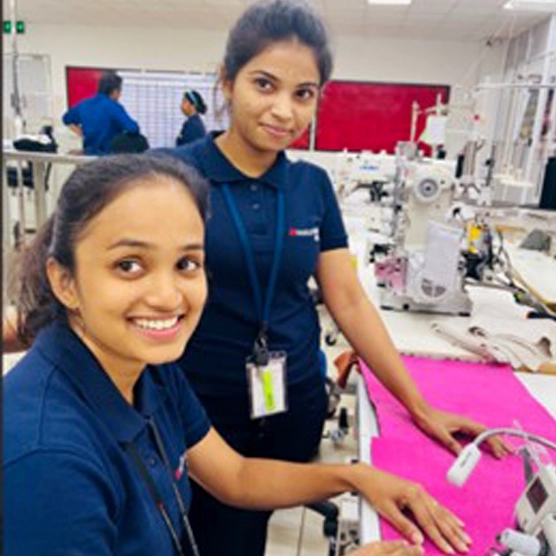
MAS also offers a Technical Skills Development programme specifically designed for Team Leaders (TL) and Group Leaders (GL). This programme equips participants with the technical expertise and essential soft-skills necessary to excel in their leadership roles. The programme offers a structured learning pathway leading to a Certificate or Diploma; catering to various learning needs and career aspirations. Programme content is regularly reviewed by Subject Matter Experts (SMEs), MAS Technical Leadership, external industry experts to ensure the curriculum alignment with up-to-date technical knowledge and industry requirements. As part of the program’s upliftment aspect, a corporate etiquette session, conducted by an external resource-person, was included and conducted for both Certificate and Diploma participants.
The Certificate Level programme concluded its sixth batch in June 2024 – with 42 participants successfully completing the programme (at an 89% completion rate). The Diploma level programme is currently underway for its second batch of 27 students participants representing 13 MAS SBUs.
Looking towards expanding the Technical Skills Development Programme, we are actively pursuing establishment of a Degree-offering module and are in collaboration with relevant institutions to develop an appropriate curriculum aligned with industry standards. This would be especially beneficial to talented and driven employees who have advanced through the ranks without a formal degree.
| Accredited equivalent NVQ standard | Course duration | 2023 | 2024 | |
| Certificate level graduates | Production supervisor (sewing) – NVQ level 4 | 6 months | 28 | 42 |
| Diploma level graduates | Textile and apparel manufacturing technology (apparel sector) – NVQ level 5 | 24 months | N/A | 27 (Ongoing) |
| Programme name | Programme duration | Batch size | Completed |
Retained – after completion |
Resigned – after completion |
Resigned – during the programme |
Quit the programme |
| Certificate batch 6 | November 2023 – July 2024 | 47 | 42 | 42 | – | 1 | 4 |
| Certificate batch 6 % | – | – | 89 | 100 | – | 2 | 9 |
| Diploma batch 2 – ongoing | November 2023 – December 2025 | 28 | – | – | – | 2 | – |
Global Talent Mobility
The MAS Global Mobility (GM) programme facilitates the movement of employees across countries and regions for work. Employees can typically be sent on short term assignment (ranging from 3 to 12 months) and long-term assignment (ranging from 1 to 5 years).
Talent movement in this form serves multiple purposes, including staffing new or expanded plants and operations, filling critical knowledge gaps by deploying experts, and providing essential oversight through experienced leaders. Furthermore, it significantly contributes to employee development by facilitating global networking, offering opportunities to adapt to diverse regional customs, regulations, working styles, and business environments, as well as handling critical projects and collaborating with multinational teams.
In 2024, MAS provided 127 employees with the opportunity to go on international assignments. From this, 40 were short term assignments and 87 were long term assignments. The top three divisions were Intimates (67), Kreeda (23) and Silueta (13). The top three countries we sent employees to were India (30), Kenya (25) and Bangladesh (22). The top three grades that went on international moves were Senior Executive (37), Manager (26) and Assistant Manager (20).
Employee Wellbeing and Work-Life Balance
We champion a comprehensive, four-pronged approach to employee wellbeing, encompassing mental, physical, emotional, and financial aspects. We implement tailored initiatives, guided by country-specific principles, to meet the unique needs of each of our divisions.
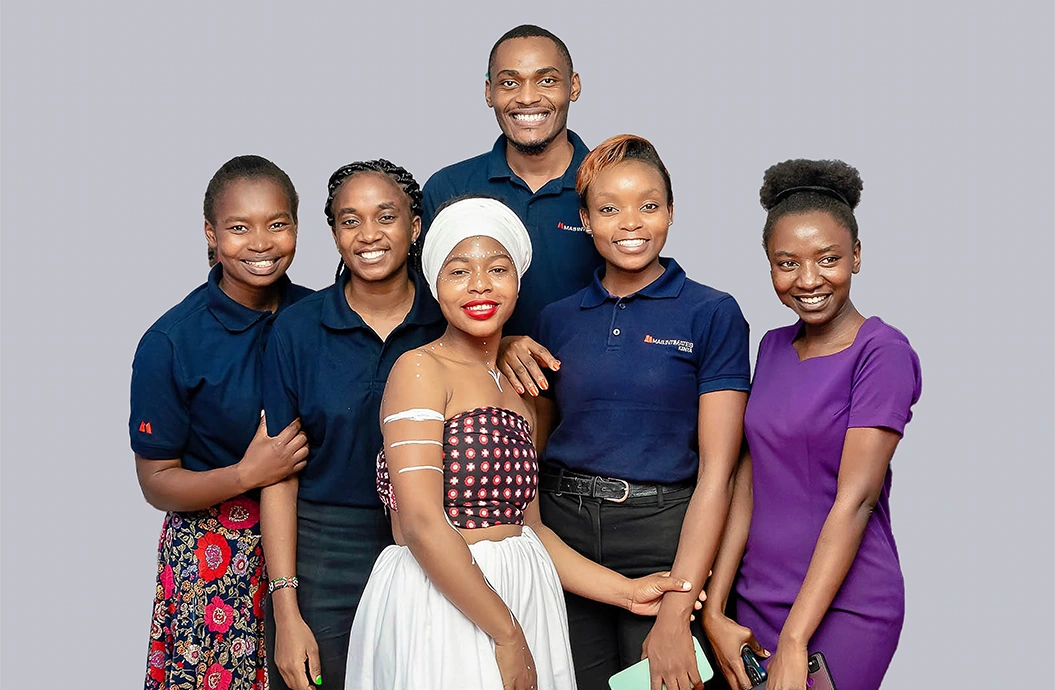
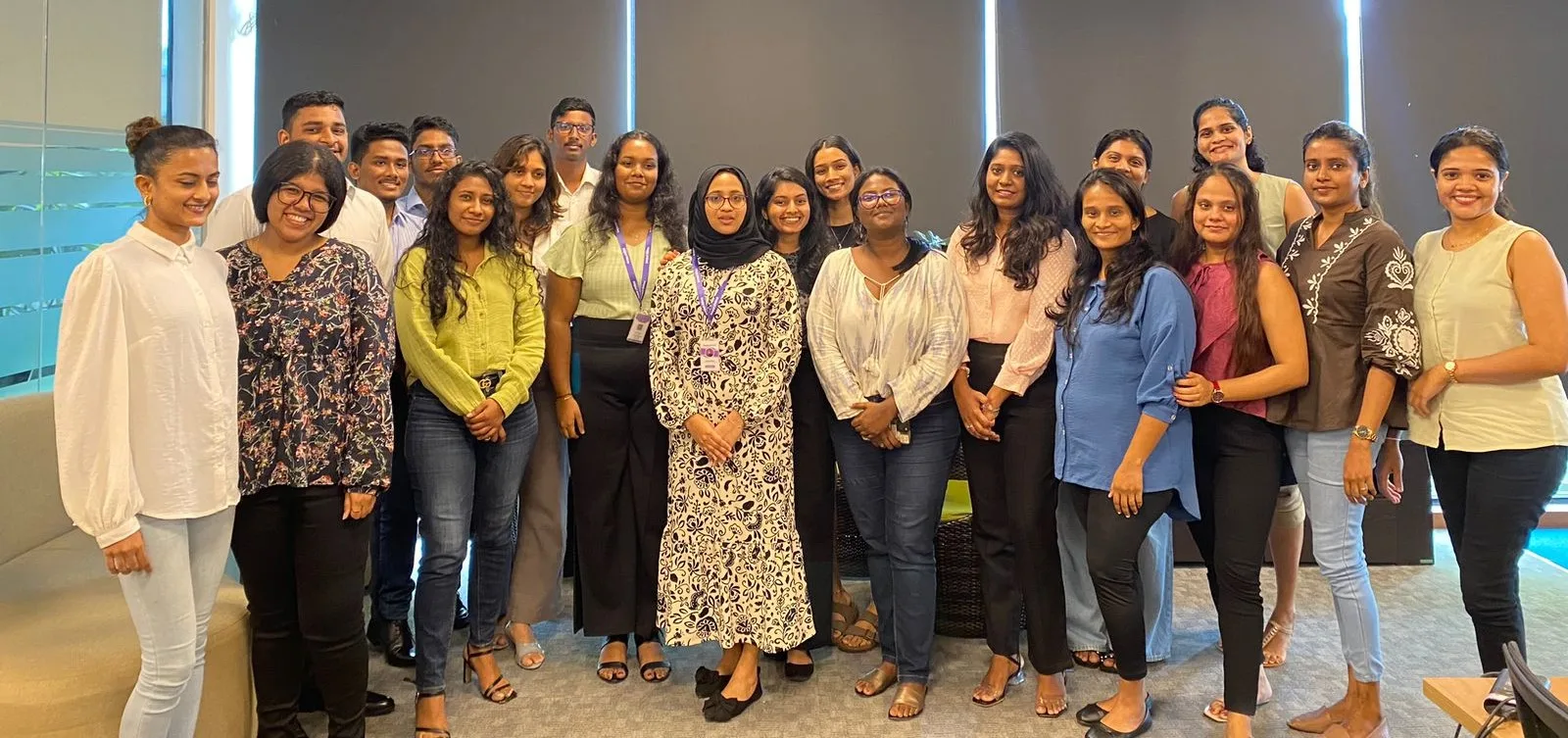
In 2024, we implemented over 1,000 knowledge-sharing sessions across our global footprint, positively impacting over 100,000 employees. Building on the success of our initiatives in fostering awareness, enhancing health practices, and cultivating a supportive culture; we are committed to expanding and refining our interventions, conducting regular needs assessments, fostering open dialogue, and rigorously measuring our impact through consistent feedback mechanisms.
Mental Wellbeing
In the context of Asia, mental health, drug prevention, domestic violence, and suicide prevention are essential elements of general wellbeing and workplace productivity. Our dedication to advancing mental health and nurturing an environment that fosters our values of inclusivity, compassion, and support for every employee, go beyond conventional commercial goals.
- BLOOM Project: A recurring programme that provides stress management workshops, counselling sessions, and resources to enhance mental resilience and overall wellbeing.
- Substance Abuse and Suicide Prevention Awareness Programme: Addresses the psychological impact of economic hardship by providing personnel with tools to identify warning signs, seek aid, and cultivate a supportive work environment.
- Sri Lanka Sumithrayo MAS Helpline: In 2024, MAS proudly marked the second successful year of implementing the Sri Lanka Sumithrayo MAS Hotline initiative. This dedicated mental health hotline serves over 70,000 Sri Lankan employees, operating from Monday to Saturday (10:00 am – 10:00 pm), and connects them with mental health professionals during and beyond office hours. Additionally, employees have access to face-to-face consultations at 10 centres across the island, ensuring comprehensive support.
- MindCare: The MindCare programme is an initiative designed to develop Counselling skills of middle managers. Rooted in the belief of fostering a supportive work environment, this programme aims to equip our middle managers with essential Counselling skills, transforming them into Barefoot Counsellors. While MAS is fortunate to have dedicated full-time qualified counsellors to address employee grievances, we recognise the pivotal role middle management plays in nurturing employee morale, managing stress, resolving conflicts, and ensuring overall wellbeing.
- Art Therapy Sessions: Art therapy is a powerful tool for supporting mental wellbeing in the workplace by providing employees with a creative outlet to express emotions, reduce stress, and improve overall mental health. Through activities like painting, drawing, or sculpture, individuals can explore their feelings in a non-verbal way, which can often be easier than talking about difficult emotions. Art therapy helps to foster a sense of mindfulness and relaxation, allowing employees to disconnect from work-related stress and rejuvenate their minds. It also promotes problem-solving skills, enhances emotional regulation, and improves self-awareness, which are all essential for managing the pressures of a busy work environment.
- Employee Assistance Programme: The initiative offers confidential counselling services to help employees cope with personal challenges such as stress, family issues, addiction, and mental health concerns. Employee Assistance Programmes typically provide access to professional counsellors, legal and financial advice, and referrals to other resources.
Physical Wellbeing
Ensuring the physical health and wellbeing of our workforce is paramount at MAS. Through various initiatives and programmes, we strive to promote healthy lifestyles and preventive healthcare practices, fostering a culture of wellbeing and vitality among our employees.
- Ergonomic Workplace Design: This process focuses on creating a work environment that promotes comfort, reduces physical strain, and enhances productivity. By incorporating ergonomic furniture and equipment, such as adjustable chairs, sit-stand desks, keyboard/mouse setups, and proper lighting, employees can maintain good posture and avoid musculoskeletal issues like back pain or eye strain. Ergonomic workspaces are tailored to fit individual needs, ensuring employees can work efficiently without discomfort.
- Medical Camps: Annual medical camps with expert medical personnel provide free check-ups for all employees, emphasising preventive health measures and early detection of potential health issues.
- Sexual and Reproductive Health Awareness Sessions: MAS conducts comprehensive sessions on sexual and reproductive health, covering key topics such as the reproductive system, menstruation, endometriosis, PCOS, menopause, safe sex, and contraceptive methods.
- Spiritual Bliss: An initiative that utilised Yoga sessions led by a professional Yoga instructor, to foster holistic wellbeing by promoting physical health, mental clarity and spiritual rejuvenation. Open to all, these sessions provide dedicated time for employees to prioritise self-care and relaxation. This initiative has been carried forward from 2023.
- Zumba Sessions: Fun and energetic activity-based sessions to promote physical fitness, reduce stress, and encourage team bonding.
Financial Wellbeing
As Sri Lanka’s economy continues its recovery post economic crisis, financial challenges persist for many. In response, the Company has rolled out a series of initiatives to strengthen employees’ personal finance management skills and help them navigate the rising cost of living.
Entrepreneurship Development Programme: This initiative is a comprehensive entrepreneurship programme aimed at equipping employees with the skills, knowledge, and mindset needed to successfully launch and manage their own businesses. Training in key areas such as business planning, financial management, marketing strategies, leadership, and innovation, ensure that participants are well-prepared to navigate the complexities of entrepreneurship projects, while also contributing to soft-skills such as building confidence, enhancing problem-solving abilities, and fostering resilience. Additionally, hands-on workshops cover practical skills in industries such as cake-baking and beauty culture, with plans to expand into other sectors based on participant interest and market demand. As further support, we provide mentorship, networking opportunities, and access to real-world case studies, creating an ecosystem where participants can learn from experienced professionals and gain valuable industry insights.
- Financial Literacy Programmes: Financial Literacy Awareness Programmes are aimed at enhancing the financial wellbeing of MAS employees. This comprehensive programme, conducted at national and regional levels, focuses on key areas such as personal financial planning, effective debt management, smart investing, and savings strategies. Additionally, it equips participants with the knowledge to identify and avoid financial scams, promoting responsible money management.
- Bank and Goods Promotions for Employees: This initiative was a special banking and retail promotion that offered exclusive discounts and financial benefits. By partnering with banks and retail vendors, employees gained access to low-interest loan schemes, installment plans, and special discounts on essential goods and services.
- Financial Counselling Services: These provide employees with access to professional guidance on managing their personal finances. These typically include one-on-one consultations with certified financial planners or advisors, who help individuals with budgeting, debt management, saving, and long-term financial planning. The goal is to assist employees in making informed decisions about their financial situation, while also providing support for specific issues like credit management or retirement planning.
Emotional Wellbeing
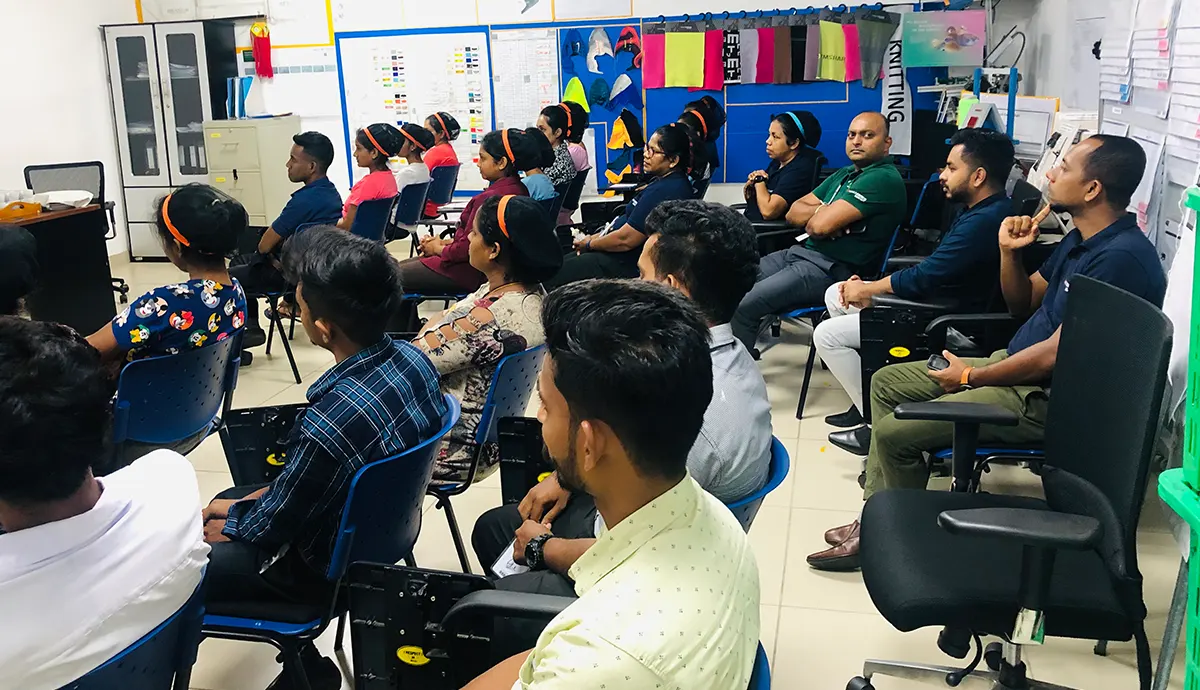
Emotional wellbeing is a cornerstone of a healthy and thriving workplace environment. At MAS, we prioritise the mental health and emotional resilience of our employees through targeted programmes and initiatives. By fostering open dialogue, providing support, and promoting self-care, we aim to create a work culture that prioritises emotional wellbeing and contributes to overall employee satisfaction and success. Fostering a respectful and supportive workplace is key.
- Renew and Restore: An innovative and tailored intervention designed to enhance mental health and emotional resilience across various departments. This initiative responds to the growing need for effective workplace support by offering targeted sessions that address specific challenges faced by employees. Every session is customised to ensure relevance and effectiveness, creating a supportive environment where employees can openly engage and develop essential coping mechanisms. These sessions are conducted in small groups to foster meaningful interactions and a personalised experience. Depending on the level of intervention required, sessions will range from 1.5 to 3 hours, allowing adequate time for discussion, skill-building, and reflection.
- Gender Based Violence and Cyber Harassment Prevention: This is an initiative to raise awareness and equip our members with essential knowledge on identifying, preventing, and reporting such issues. Among others, this aims to educate members about the impact of GBV and cyber harassment, provide guidance on safe online practices and inform members about the official channels to report such incidents.
- Bring your Child to Work Day: Is an initiative organised to give employees the opportunity to bring their children to the workplace, allowing them to emotionally connect with where their parents spend their work days. This initiative not only fostered a deeper understanding and bond between parents and children but also created a supportive and engaging environment for everyone involved.
- Music Therapy Sessions: As part of our commitment to employee wellbeing, these sessions are designed to provide a calming and rejuvenating experience, offering a dedicated space where employees can unwind, reconnect, and relieve stress through the power of music.
- Defensive Driving Training: This programme equipped drivers with the knowledge and skills to anticipate and avoid potential hazards on the road, through a combination of both practical and classroom instructions. Participants who enrolled in the programme learnt to identify risky driving behaviour, understand the principles of safe vehicle operation, and develop proactive strategies for preventing accidents. The training covered topics such as hazard perception, space management, proper following distances, and techniques for handling adverse driving conditions.
Ensuring Sustainable Compensation for Our People
GRI 2-19, 2-20
Our sustainable and competitive compensation packages go beyond the financial element alone, consistently exceeding minimum wage and complying with country-specific regulations and apparel industry standards. Our efforts extend to providing safe and conducive working conditions, fair and transparent pay practices that prioritise recognition and reward based on merit, and opportunities for skill development and career growth.
Benefits made available to employees range from insurance cover for medical needs, illness, and accidents; communication and transport allowance; and support for professional growth and wellbeing.
In 2024, we took a major step forward in employee welfare by extending Critical Illness Coverage (CIC) to Team Members, ensuring broader financial protection and access to essential healthcare for a larger segment of our workforce. In addition, we worked with our business partners and service providers to increase the value of Personal Accident Cover that is made available to employees. This benefit will be realised from 2025 onwards.
Performance Management at MAS: Driving Growth and Excellence
GRI 404-3
Performance Management (PM) is a continuous process of identifying, measuring, and developing individual and team performance while aligning efforts with organizational goals. In the fast-paced apparel industry, where efficiency, quality, and innovation are key to staying competitive, an effective Performance Management System is essential. At MAS, PM is designed to ensure employees are equipped to succeed and grow within the organisation. It encompasses goal setting to provide clear direction, mid-year reviews to track progress and make necessary adjustments, values assessments to reinforce the company’s core principles, and year-end reviews to evaluate overall performance and set future development plans.
Through targeted development opportunities, MAS enables employees to enhance their skills, advance in their careers, and contribute meaningfully to the Company’s success. All Executive and above employees undergo annual performance reviews, while Staff and Team Member evaluations are conducted based on specific requirements – such as Team Leader/Group Leader reviews, skill master evaluations, or skill matrices.
In the 2024 Performance Management Cycle, conducted in early 2025, a total of 9,417 employees were eligible for performance reviews.
Employees Eligible for Performance Reviews
| Employee category | Male | % | Female | % |
| Assistant manager | 891 | 72 | 349 | 28 |
| CEO | 18 | 86 | 3 | 14 |
| Chairman | 1 | 100 | – | – |
| Deputy chairman | 1 | 100 | – | – |
| Deputy general manager | 220 | 75 | 75 | 25 |
| Divisional/Functional director | 87 | 80 | 22 | 20 |
| Executive | 2,294 | 58 | 1,649 | 42 |
| General manager | 140 | 79 | 37 | 21 |
| Group director | 3 | 100 | – | – |
| Holdings board director | 2 | 100 | – | – |
| Manager | 634 | 78 | 174 | 22 |
| MAS/Apparel board director | 6 | 75 | 2 | 25 |
| Senior executive | 1,885 | 67 | 924 | 33 |
| Total | 6,182 | 66 | 3,235 | 34 |
Diversity of Governance bodies and Employees
GRI 405-1
PERCENTAGES OF INDIVIDUALS WITHIN THE ORGANIZATION’S GOVERNANCE BODIES BY GENDER
PERCENTAGE OF INDIVIDUALS – GENDER
PERCENTAGE OF INDIVIDUALS – AGE
Percentage of employees per employee category by gender
PERCENTAGE OF INDIVIDUALS – GENDER
PERCENTAGE OF INDIVIDUALS – AGE
Employee Category
| Gender |
Team member |
Staff | Executive | Manager |
| Male (%) | 59 | 19 | 15 | 7 |
| Female (%) | 89 | 6 | 4 | 1 |
| Age category |
Under 30 years old |
30-50 years old |
Over 50 years old |
| Male (%) | 14 | 15 | 1 |
| Female (%) | 36 | 33 | 1 |
GRI 2-21, 405-2
MAS ensures equal remuneration for men and women in similar job roles, with a strict policy against gender-based discrimination in all compensation and benefits practices. The remuneration packages for the staff and the annual compensation ratio are kept confidential in nature.
Diversity, Inclusion, and Freedom of Expression and Identity for All
Our value proposition to employees includes a commitment to create an equitable workplace free from discrimination and harassment where all decisions affecting individuals are made fairly, considering individual merit, job requirements, and business needs. We expect all employees to contribute to this by treating each other with dignity and respect.
Empowering Persons with Disabilities
In 2024, our comprehensive four-pronged approach to disability inclusion continued to guide our actions as we progressed in creating and improving an inclusive workplace where our colleagues with disabilities can thrive.
Recognition for Disability-Inclusive Employment
In 2024, MAS was recognised in driving disability-inclusive employment practices and awarded the prestigious Zero Project Award for 2025 for our Supported Employment Process.
The Zero Project, in partnership with the ILO Global Business and Disability Network (GBDN), is dedicated to eliminating barriers for persons with disabilities. By spotlighting exemplary practices, the Zero Project aims to foster a more inclusive world aligned with the United Nations Sustainable Development Goals (SDGs) and the UN Convention on the Rights of Persons with Disabilities (UN CRPD).
The Supported Employment Process at MAS was recognised for its innovation, impact, and scalability in an extensive multi-step awarding process that involved over 350 experts and more than 300 hours of review. MAS was one the awardees for 2024, selected from 522 nominated initiatives and institutions from around the world.
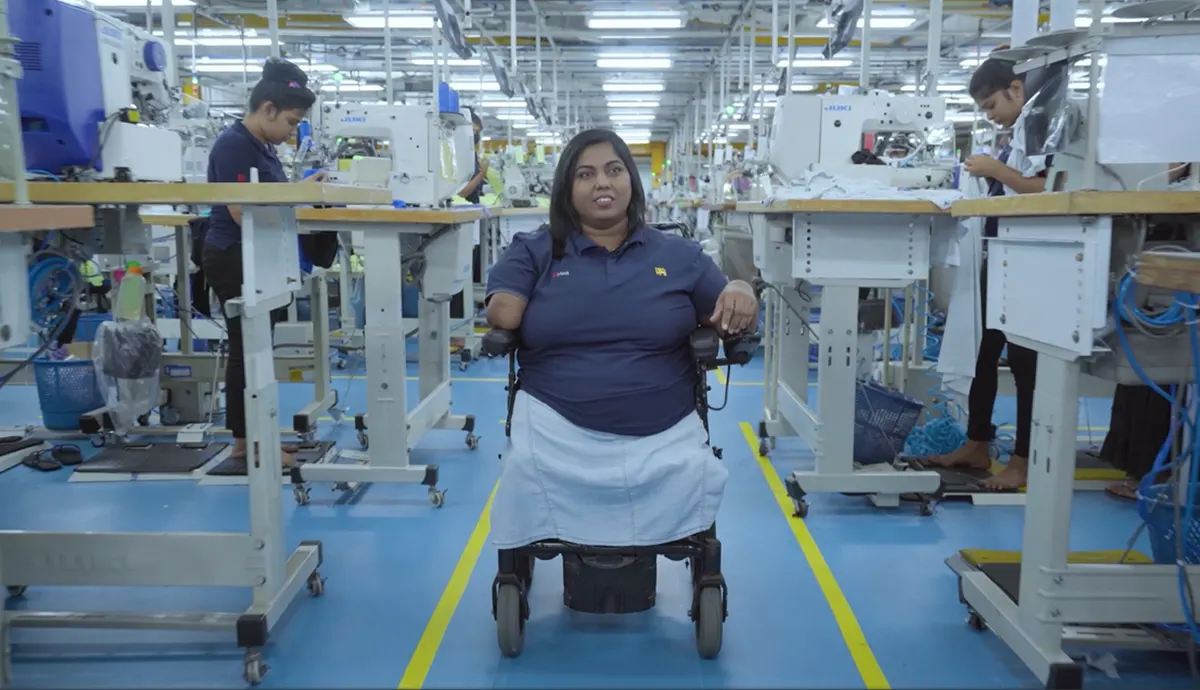
During 2024, our Employees with Disabilities continued to benefit from initiatives that create a supportive and enabling environment:
-
Buddy systems
38 -
Sign language training
32 -
Ensuring accessible workplace
30 -
Innovative, accessible tools and technology provided
for PWDs (e.g. vibrating bracelets/bands, hearing
aids, etc.)
10
-
Specialised counselling, mentoring or coaching
32 -
Leadership and soft-skill development
32 -
Providing new job opportunities and/or
cross-functional roles
31
-
Supported Employment process in place
41 -
Annual engagement events
41 -
Sign language and emergency training for buddies and
parents of PWDs
30 -
JCC minutes communicated to all PWDs in the SBU
23 -
Engagement with disability networks (such as the Deaf
and Blind Association, and Marks and Starts
Programme)
12
Lable by MAS
Launched in 2023, our
Homegrown solution
for adaptive clothing continued to deliver on its commitment
to creating innovative clothing that is inclusive and
accessible.
Participating in the Abilities Expo in Fort Lauderdale, we introduced new adaptive products to a wider audience, created direct connections with consumers, and expanded our product tester network.
Our partnership with Sri Lanka’s National Paralympic Committee reached new heights as Sri Lankan Para Athletes competed in the 2024 Paris Paralympics, wearing kits designed and manufactured by Lable. We also hosted an Felicitations to celebrate these athletes, upon their send-off and return.
Dialog-MAS Enabler Programme 2024
In collaboration with Dialog Axiata PLC, Sri Lanka’s leading connectivity provider, MAS Holdings successfully launched the second iteration of the Dialog MAS Enabler Programme in early July 2024. This initiative is designed to enhance employment opportunities for persons with disabilities (PWDs), offering them meaningful workplace exposure while simultaneously educating employers on the value of inclusive hiring practices.
The two-week pilot programme welcomed 14 undergraduates and graduates who had visual, hearing, or physical impairments from the University of Kelaniya, University of Colombo, and University of Sri Jayewardenepura. Participants engaged in immersive learning experiences across various departments within both companies.
At Dialog, students explored customer engagement through hands-on experiences at service centers. At MAS, they gained valuable insights into product development and the manufacturing process.
A highlight of the programme was the experience at the MAS Adaptive Centre of Excellence, which houses Lable by MAS, an innovative adaptive apparel brand designed for people with disabilities.
The programme concluded with participants sharing their reflections and key takeaways, underscoring the transformative impact of this exposure.
The Dialog MAS Enabler Programme represents a pivotal step towards creating more inclusive workplaces in Sri Lanka. Beyond empowering individuals with disabilities, it seeks to reframe the national narrative around disability inclusion advocating for equity, accessibility, and meaningful participation in the world of work.
Collaboration for Equity and Inclusivity
We continue to drive the agenda for gender equity and are
proud to be an initial signatory from Sri Lanka to the UNGC
Target Gender Equality programme. Additionally, partnerships
with the Grassrooted Trust, National Transgender Network Sri
Lanka,
EQUITE Sri Lanka
and our engagements with local and global organisations such
as UNFPA and the International Finance Corporation (IFC)
continue to bolster our efforts to create a more inclusive
environment for all marginalised groups.
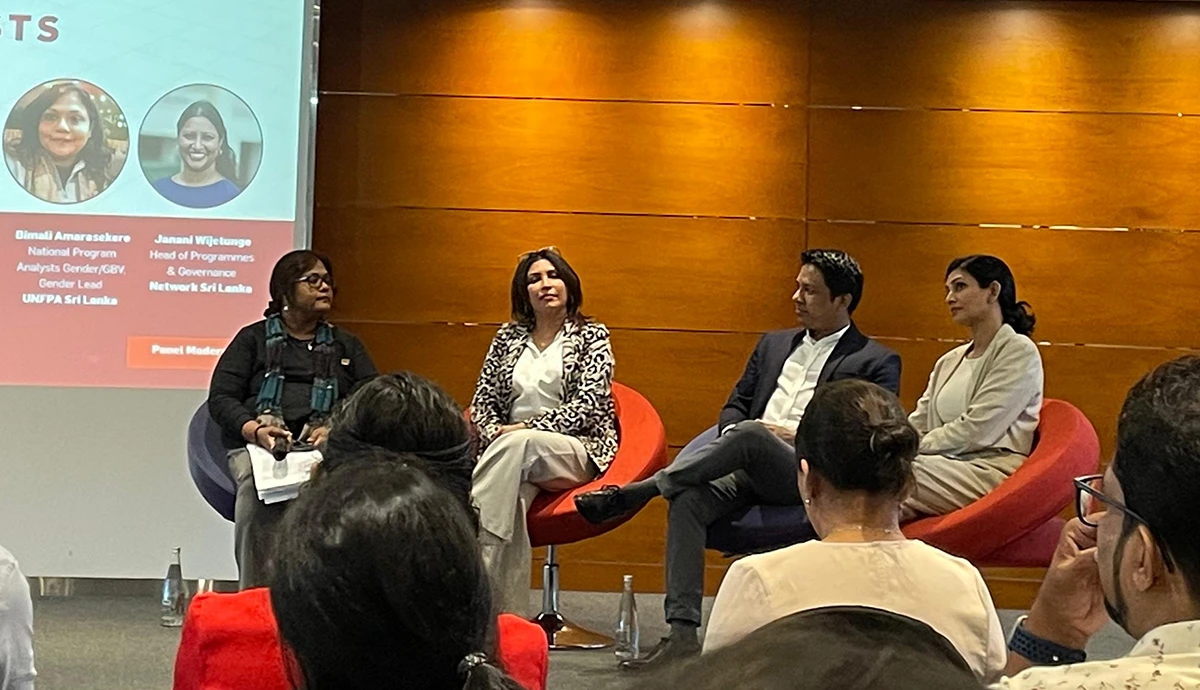
As a corporation headquartered in Sri Lanka, we maintain strong ties and close connections with other trailblasing Sri Lankan corporates that are on the same journey. Celebrating International Women’s Day 2024, MAS launched a new podcast series entitled Conversations that Count – bringing together other private sector parties like JKH, Unilever, Brandix, and Hirdaramani to share and discuss their work in this space. In 2024, we hosted the 20th UNGC Gender and Diversity Working Group Meeting in Sri Lanka where panelists from MAS, UNFPA, Diesel and Motor Engineering (DIMO), and Sandbox Consultancy shared their insights. The Working Group meeting created an opportunity for MAS to share the progress made toward “Diversity and Inclusion for Women at Work”. The meeting was attended by representatives from many Sri Lankan corporates including Brandix, Fortude, Aitken Spence, Hayleys, Deloitte, etc.
Empowering Inclusivity
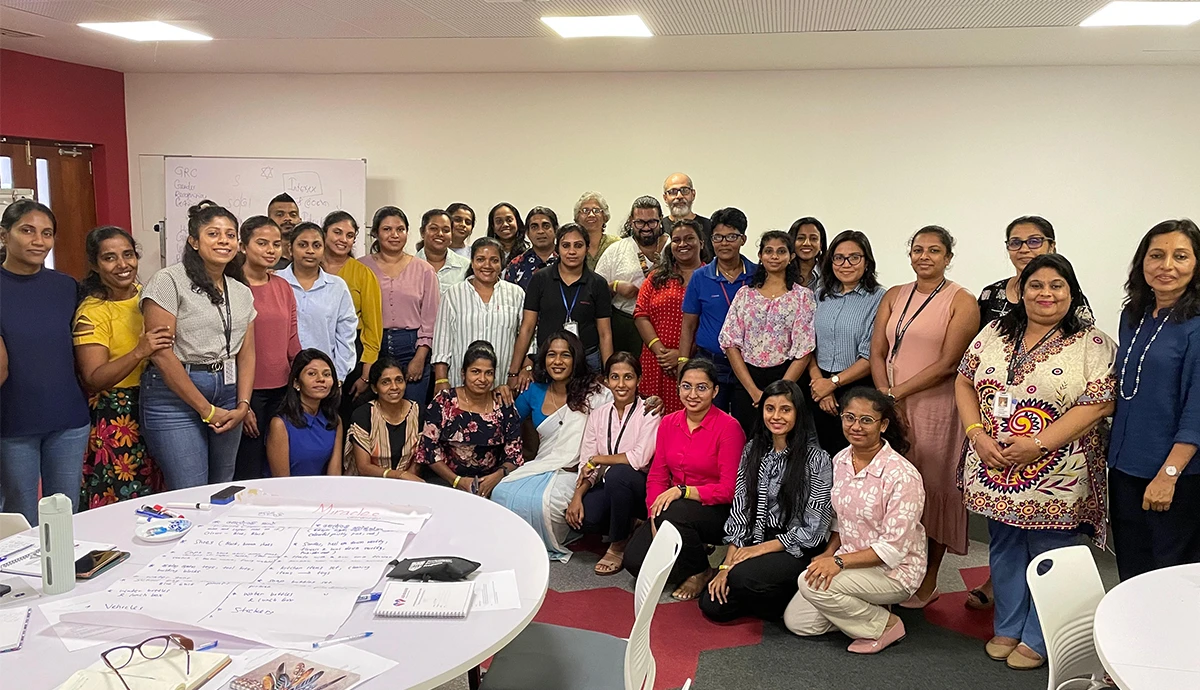
Throughout 2024, we continued to carry out sensitisation conversations on people of diverse Sexual Orientation, Gender Identity, Gender Expression, and Sex Characteristics (SOGIESCs); often collaborating with other organisations and institutions who are working toward similar objectives.
In celebration of PRIDE in 2024, MAS launched its homegrown
Empower Inclusivity
microsite – a public educational platform which can be
referred to anyone who wishes to learn more about this
space. This is our first public communication in the space
of people of diverse SOGIESCs and is being utilised in our
in-person training programmes as well.
In partnership with the Grassrooted Trust, National Transgender Network Sri Lanka, and EQUITE Sri Lanka, we conducted two comprehensive training-of-trainer programmes and sensitisation workshops for targeted employee categories; resulting in a pool of over 80 trainers who are taking this conversation forward in small groups.
With the support and guidance of these partners, MAS has also developed a set of guidelines to support and facilitate employees who seek assistance in going through a gender transition process in Sri Lanka.
World-Class Workplaces
Ensuring our operations are world-class is not an overnight achievement; it involves concerted action and a sustained commitment to continuous development. Our achievements during the year are the result of continuous engagement with our employees, celebration and reinforcement of our core values and purposeful culture, and enforcement and improvement of stringent standards for health and safety.
Ensuring Health and Safety
GRI 403-1, 403-2, 403-3, 403-4, 403-5, 403-6, 403-7, 403-8, 403-9, 403-10
The Company’s outstanding H&S performance during the year was recognised with the receipt of 10 gold awards and one silver award at the ROSPA Awards in 2024. In addition, one of our divisions received a proactive Gold-level business assurance certification from the Institute of Occupational Safety and Health – UK (IOSH).
Attaining International Benchmarks for our Workplace Safety
RoSPA Health and Safety Awards 2024 – 10 Gold and 1 Silver Award
Our commitment to a zero-accident, zero-incident, and
zero-disease workplace, driven by an interdependent safety
culture, has earned significant international recognition.
In 2024, we received 11 awards at the prestigious
RoSPA Health and Safety Awards
2024 – for our facilities in Sri Lanka, Jordan, and
Indonesia. This marks a major milestone in benchmarking our
world-class OHS standards.
The award programme pioneered by the Royal Society for the Prevention of Accidents (RoSPA), now in its 69th year, has grown to become the largest Occupational Health and Safety awards programme in the UK. The awards attract over 2,000 entries yearly, from more than 50 countries worldwide, representing H&S programmes covering over 7 million employees. These globally sought-after accolades recognise excellence in accident prevention, robust safety management systems, and the processes, leadership, culture, and workforce engagement that fosters a mature safety culture.
MAS KREEDA recognised with Gold from IOSH UK
MAS KREEDA achieved a prestigious Gold (Proactive) – Level 9 (90%) in Occupational Safety and Health (OSH) cultural maturity at the enterprise level, through Business Assurance Certification provided by the Institute of Occupational Safety and Health (IOSH), UK. IOSH is the leading global professional body for OSH, and their Business Assurance Certification provides independent assurance against global benchmarks for enterprise-level occupational safety and health management.
The internationally recognised
certifications and accreditations
we hold, such as ISO 45001 for Occupational Health and Safety,
serve as a powerful external validation of our commitment to
world-class workplace standards. These globally recognised
endorsements assess our compliance with a number of
industry-standard indicators that attest to the success of our
H&S efforts. During the year 2024, 21 of our SBUs achieved
or maintained ISO accreditation for world-class health and
safety practices.
Our Lost Time Accident Frequency Rate and Severity Rates reduced by 57% and 31% respectively, reflecting the hard-earned success of efforts to elevate H&S standards, improve risk management practices, and create an interdependent safety culture across the Organisation.
Incident Severity Rate (LTISR)
Incident Frequency Rate (LTIFR)
Hazard-Reporting
Employee consultation and participation has been a cornerstone of our OHS success in 2024. We conducted more than 500 H&S committee meetings and addressed approximately 2,390 OHS issues and suggestions during the year. This was made possible by the 4,400+ H&S Committee Members who acted as dedicated H&S changemakers across all our SBUs. Additional engagements by almost 2,350 H&S point-persons functioning as Workplace Safety Facilitators, as members in Chemical Management Committees, and as Emergency Response Teams led to convening of around 728 meetings for 2024. The 53% increase in hazard-reporting and OHS suggestions, is another testament to increased employee awareness, interest, and participation in Health and Safety initiatives. A Kaizen approach is consistently taken; 21,047 near misses recorded for 2024.
WORLD-CLASS WORKPLACES
61% of the reported near-misses and suggestions were actioned during the year and we have set ambitious SBU-level targets to increase action completion rates in the year ahead. We also maintained zero fatalities across our operations during the year.
Recognising the slight increase in the rates of road accidents with improved reporting, we have planned a number of SBU-level projects and initiatives to promote and strengthen commuter safety.
Improving our Fire Safety
In 2024, we completed implementation of a comprehensive Fire Detection Monitoring System that enhances fire safety at our operations – through real-time monitoring that enables rapid response. The system was developed entirely by our internal teams, originating as a Kaizen initiative.
The new fire safety system precisely identifies activated fire detectors or call-points on a factory map; feeding into a centralised display in the Engineering office and guard-room. Real-time alerts provide clear location details, and SMS notifications inform key personnel instantly.
| Category | Number |
| Total number of work-related non-fatal injuries due to accidents (lost time accidents) | 201 |
| Total number of lost man working days due to work-related non-fatal injuries | 1,400 |
| Total number of injuries due to road accidents that are work-related | 71 |
| Total number of lost man working days due to road accident-related injuries | 956 |
| Total number of non-fatal, non-work-related ill-health incidents recorded | 2,243 |
H&S PERFORMANCE SUMMARY
- – Lost time accident frequency rate (non-road accidents)
- – Lost time accident severity rate (non-road accidents)
- – Lost time accident frequency rate (road accidents)
- – Lost time accident severity rate (road accidents)
- – Total lost time accident frequency rate
- – Total lost time accident severity rate
Accident Catergorisation
Training and development to ensure health and safety
We conducted 904 specialised H&S trainings during the year, covering a wide range of areas including fire safety, electrical safety, chemical management, confined space entry, fall protection, laser and radiation safety, machine safety, lockout and tag-out procedures, ergonomics, and contractor safety. These trainings covered over 2,218 hours and engaged the participation of over 45,473 employees.
We also conducted over 266 general H&S trainings, including annual refreshers and induction programmes on general H&S standards. These trainings reached 89,527 employees and totaled over 317.18 training hours.
| 2023 | 2024 | ||
| Special H&S training (e.g. electrical safety, chemical management, and other hazard/ risk-based trainings) | Participants | 90,043 | 45,473 |
| Hours covered | 1,854.80 | 2,283 | |
| Training iterations | 487 | 904 | |
| General H&S training (e.g. annual refreshers and awareness programmes) | Participants | 93,130 | 89,527 |
| Hours covered | 613 | 317.18 | |
| Training iterations | 360* | 266 |
*2023 data restated, correcting discrepancy in previous disclosure.
Strengthening Employee Health and Vision
In 2024, MAS significantly amplified its commitment to employee health and wellbeing through two impactful health-focused initiatives. Our Health and Wellness Camp, generously supported by Lululemon through their Vendor Grant, provided free medical services to over 4,000 employees. The delivered over 3,461 medical tests, including blood tests, cholesterol checks, and ECGs, with participants also benefiting from eye examinations, cancer awareness programmes, women’s health and subfertility consultations, urology services, physical health awareness sessions, and skincare consultations.
Simultaneously, our Clear Vision Initiative, in partnership with VisionSpring, offered free eye screenings to over 2,000 employees. Those diagnosed with vision impairments were provided with personalised prescriptions; with more than 300 employees receiving free prescription glasses.
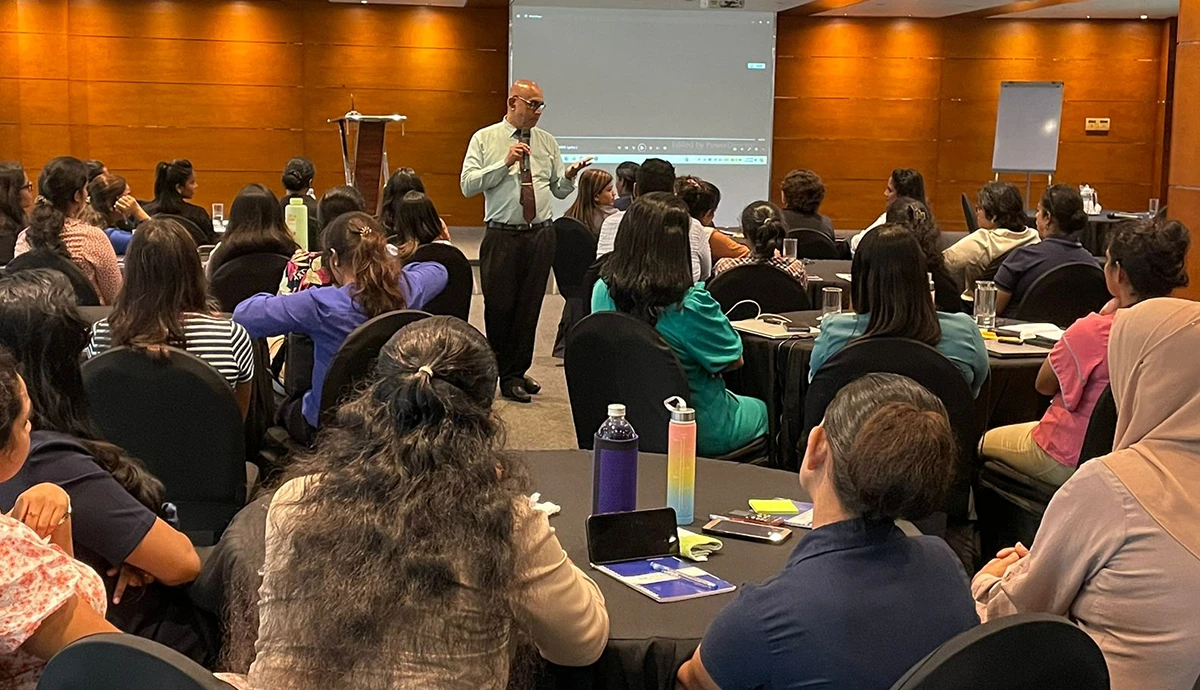
Operational Connect
A foundational element of our Human Capital management strategy involves maintaining a strong operational connect between employees, industry, and our communities; in order to ensure smooth and continuous functioning of the organisation. Our ongoing work within this function continued to serve as proactive problem-solving hub, collaborating closely with business units to address and resolve a wide range of operational challenges.
In 2024, these efforts included provision of assistance to 80+ employees impacted by heavy rains that persisted throughout the fourth quarter. In addition, we launched a new Compliance and Labour Knowledge Sharing Session; an in-house training programme, conducted quarterly, aimed at enhancing the expertise of our Executive and above cadre. The Programme equipped participants with the latest insights into local and international labour compliance landscapes, ensuring they remain well-informed of evolving regulations and industry best practices. Furthermore, these sessions provided a valuable forum for identifying and addressing common labour-compliance challenges across the Group, leading to improved efficiency and adherence. A tangible outcome of these discussions was the formulation of our comprehensive Freedom of Association Policy.
Culture and Ethics
In 2024, we made significant strides in solidifying our ethical foundation and cultivating a culture of transparency and purpose. The MAS DNA survey echoed the progress made – with nearly 90% of employees understanding and being aware of our unique organisational DNA.
Perhaps most significantly, over the past four years we have witnessed a sustained increase in employee confidence to speak up, alongside widespread awareness of the grievance reporting channels that empower employees to voice concerns freely. This is evidenced by a significant rise in reported cases from 2020 to 2024 – a positive outcome confirming our efforts to create a mature and transparent environment where accountability is valued.
Grievance Reporting System
GRI 2-25, 2-26
At MAS, we believe open communication is the cornerstone of a healthy work environment. We have implemented a robust reporting system that empowers employees to voice their concerns through multiple avenues, ensuring every voice is heard. Our ongoing awareness and education programmes actively encourage employees to voice their concerns whenever they experience discomfort or difficulty. Employees can choose the reporting method that best suits their comfort level. Trained Human Resources personnel are directly accessible for open and confidential conversations to address a wide range of concerns. Within groups, divisions, and SBUs, designated code officers act as trusted points of contact for discussions on ethical conduct or policy compliance.
For those who prefer anonymity, we offer several channels. Our anonymous hotline service and online platform managed by third party global service providers, allow employees to report concerns without revealing their identity. The DNA Helpdesk, accessible via the Company’s website, provides another avenue for guidance or reporting potential violations. We are also seeking to extend the hotline to third parties to broaden our safety net. To further encourage reporting, we have strategically placed grievance boxes across our facilities, providing another layer of anonymity. Additionally, trained Employee Relations (ER) representatives are available to listen, address concerns, and escalate grievances as needed.
Employee Engagement and Voice
At MAS, we believe a healthy organisation one capable of aligning to a shared vision, executing strategies effectively, and adapting to change directly translates to high performance and long-term success. This is achieved through a resilient culture, employee satisfaction, and talent retention, which foster an engaged and productive workforce.
In line with previous efforts in 2018 and 2021, we partnered with a reputed third-party this year as well to conduct an organisation-wide pulse check survey, aimed at continuously improving MAS’s organisational health and our ability to achieve strategic objectives. This comprehensive assessment analyses nine key areas:
- Motivation
- Capabilities
- Accountability
- Leadership
- Innovation and Learning
- Coordination and Control
- Direction
- Work Environment
- External Orientation
The survey also examines 43 management practices that contribute to these outcomes, pinpointing areas where MAS can excel and unlock the Organisation’s full potential. A central dashboard to consolidate the survey results has been introduced, with the support of the Group talent analytics team, to support data-driven decision-making.
In addition to the survey, MAS made significant progress in executing the 2024 OHI roadmaps. A final evaluation at the end of the year revealed a 95% completion rate for the Group Culture Roadmap.
Ongoing leadership development programmes, focused on equipping leaders across the organisation with the necessary capabilities and tools to foster a psychologically safe environment, have been instrumental in driving employee engagement and happiness. The existing Team Care training, previously limited to a specific cadre, is set to be adapted for broader accessibility, ensuring all leaders benefit from its principles. To support this, a Train the Trainer session was conducted this year, enabling trainers to deliver Team Care more effectively across the organisation. In 2024, the training primarily focused on Assistant Manager and Manager cadre, with almost 50% of this group completing the programme through these trainers and prior sessions.
2024 saw MAS continue the tradition of employee excellence in Annual Mercantile sports competitions. MAS employees achieving multiple championship wins across various disciplines including swimming, table tennis, tennis, athletics, and volleyball. This year was particularly impressive, with our teams achieving some remarkable feats; such as phenomenal 11th consecutive championship wins in swimming and table tennis.
Our participation in ten different sports, sporting over 1,000 employee-competitors, is a strong demonstrator of employee engagement and internalisation of the organisation’s culture of health and wellbeing through sport.
| Sport |
Participants in 2024 |
Championships in 2024 |
Achievement in 2024 | Remarks | |
| 1. | Swimming | 110 | Mercantile | Champions | 11th Consecutive Year as of 2024 |
| 2. | Table tennis | 35 | Mercantile | Champions | 11th Consecutive Year as of 2024 |
| 3. | Tennis | 45 | Mercantile | Champions | 9th Consecutive Year as of 2023 |
| 4. | Athletics | 623 | Mercantile | Champions | 6th Consecutive Year as of 2024 |
| 5. | Hockey | 21 | Mercantile | 2024 Runner up | – |
| 6. | Badminton | 36 | Mercantile | Division “A” runner up | – |
| 7. | Rugby | 31 | Mercantile | Participated | – |
| 8. | Basketball | 36 | Mercantile | Participated | – |
| 9. | Volleyball | 130 | Mercantile | Champions – Championship Men’s category Champions – Division A Women’s Category 2nd Runners Up – Super League Women Category 2nd Runners Up – Super League Men Category | Won in different divisions |
| 10. | Chess | 15 | Mercantile | Participated | – |
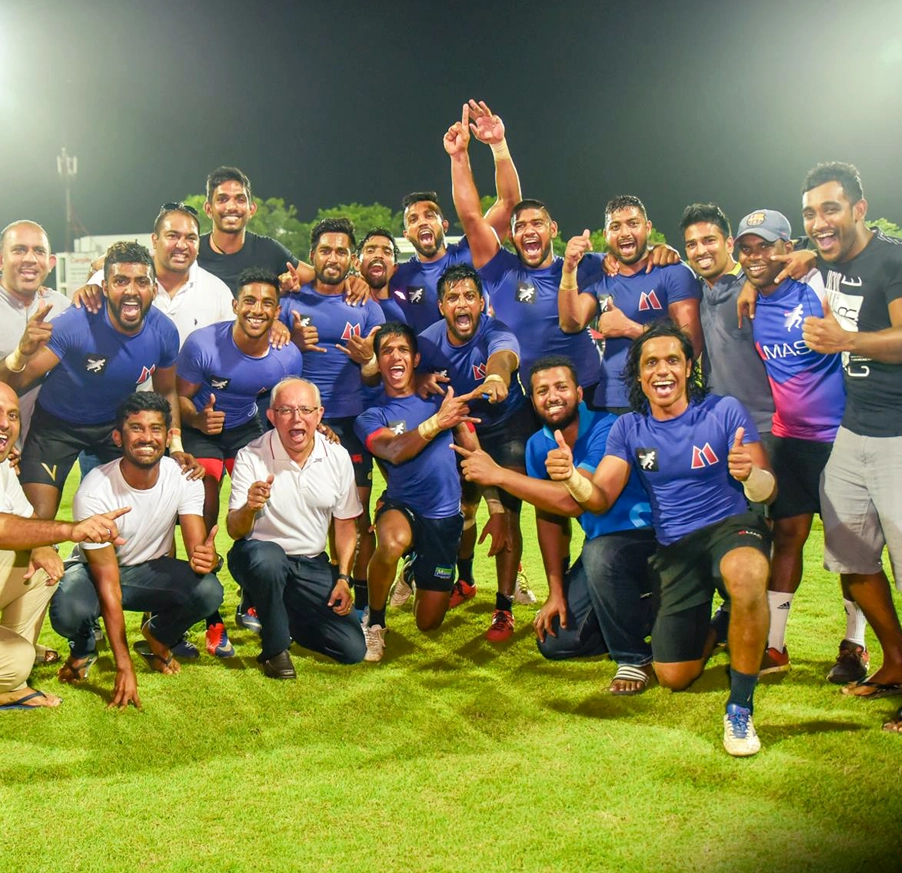
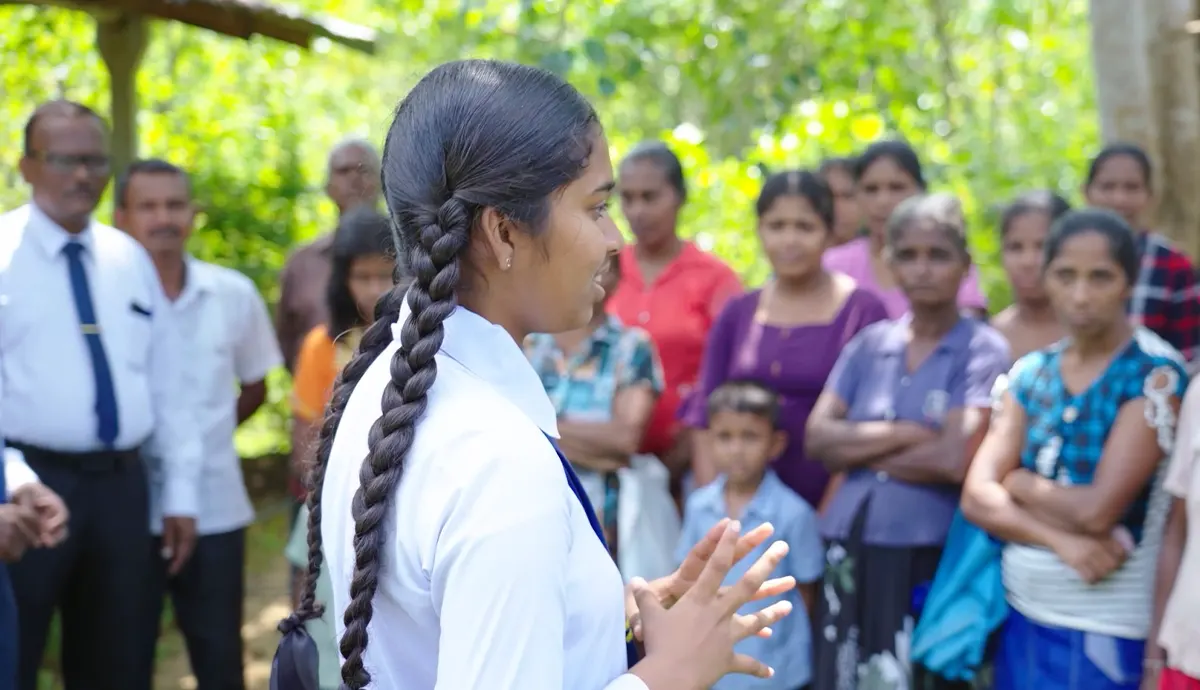
Thriving Communities
GRI 413-1
Our vision for a better tomorrow extends beyond the bounds of our organisation, ensuring the upliftment and empowerment of the communities in which we operate. We believe that initiatives implemented at grassroots level have the power to positively impact the entire community. As such, we strive to work together to create a world where everyone can thrive.
In 2024, MAS Holdings further strengthened corporate citizenship efforts, making significant strides in key impact areas. All operations (100%) within our reporting scope undertook community engagement initiatives in 2024. Despite a challenging business landscape, the number of initiatives increased by 2.69%, growing from 968 in 2023 to 994 in 2024. Volunteer engagement saw an impressive 32.82% growth, with 21,692 employees actively participating, reflecting a growing culture of collective responsibility and community involvement. While the number of beneficiaries reached 2 million ,Our community actions took a more focused approach during the year; prioritising high-impact transformative interventions with the potential to create lasting change.
Corporate Citisenship Activities
Sustainable Development Goals


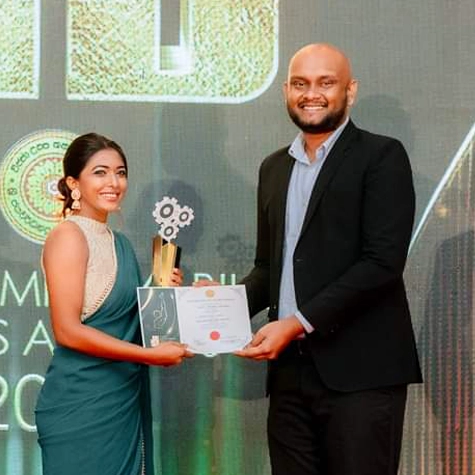
Our Community Engagement Model
The MAS Community Engagement Model (CEM) uses a dedicated Community Engagement Team to ensure all stakeholders are considered. By thoroughly analysing community needs, we tailor impactful initiatives and maintain transparency in their implementation and reporting. Of the total activities implemented in 2024, 450 (45%) were directly aligned with our community engagement model.
Number of activities by category of Intervention
Community Engagement Round-Up 2024
Meal Drive and Community Engagement Programme (MAS Intimates)
The year-long meal drive and other compassionate initiatives organised by MAS Intimates, in collaboration with schools and communities, continued into 2024. Focused on uplifting vulnerable groups, these projects provided nutritional support, health and hygiene awareness, and community engagement; particularly for schoolchildren and children with disabilities in underprivileged schools, orphanages, and elders’ homes. During the year 2024, the programmes ensured regular access to nutritious meals for over 5,273 children and 3,307 community members across 17 participating schools and community-based organisations, addressing critical gaps in food security.
Renovation of Seethagangula Ambalama at Adam’s Peak (MAS Bodyline)
MAS Bodyline (BPL II) spearheaded the renovation of the Seethagangula Ambalama at Adam’s Peak; with the Sri Lanka Army serving as the primary partner under the approval of the Army Commander. Sri Lanka’s Seethagangula Ambalama holds historical significance as a community rest-stop along the sacred Sri Pada pilgrimage route; offering shelter and respite to over 5 million devotees who undertake the annual journey to this revered site. Recognising its cultural and religious value, the renovation project was carried out with requisite approval from the Department of Archaeology, ensuring all work adhered to heritage preservation guidelines.
“matu parapurata husma podhak” – A Breath of Fresh Air for the Next Generation (Shadowline)
MAS Kreeda – Shadowline launched the initiative to promote a cleaner, plastic-free environment. The project organised a 12km clean-up drive covering key areas like Awariwaththa Bus Stand, 18th Mile Post, Malgas Junction, and Amandoluwa. Over 300 volunteers and 14 stakeholders participated, removing 30 garbage bags filled with plastic, polythene, glass, and rubber waste. Additionally, 80 fruit and flower trees were planted to improve the local ecosystem, enhance air quality, and foster long-term environmental benefits.
Renovation of the Minor OT Room at Karnophuli BEPZA (MAS Sumantra)
As part of MAS Sumantra’s ongoing efforts to improve healthcare infrastructure for patients at BEPZA Hospital, the project expansion in 2024 provided surgical lights and patient beds to improve the quality of care and improve patient outcomes. Proper lighting during surgeries is essential for precision and accuracy, while comfortable patient beds are key to supporting patient recovery and overall wellbeing.
Dignity of Motherhood Programme (MAS Intimates, Casualline)
Multiple MAS business units conducted the holistic Dignity of Motherhood Programme aimed at improving wellbeing of mothers and babies before and after delivery. In 2024, MAS Intimates conducted 87 such programmes, reaching 789 mothers with knowledge, practical tips, music and art therapy, and baby essentials. Additionally, the Hiyata cleaning team of Casualline worked with the Medical Officer from Alawwa General Hospital, the Ministry of Health – Kurunegala, doctors at Thalampitiya Hospital – Kurunegala, and the local Keells Super; to implement a similar programme at the Thalampitiya Hospital, Kurunegala. The initiative supported and empowered pregnant mothers through a range of educational and practical initiatives focused on enhancing the maternal experience and creating a supportive community for expectant mothers.
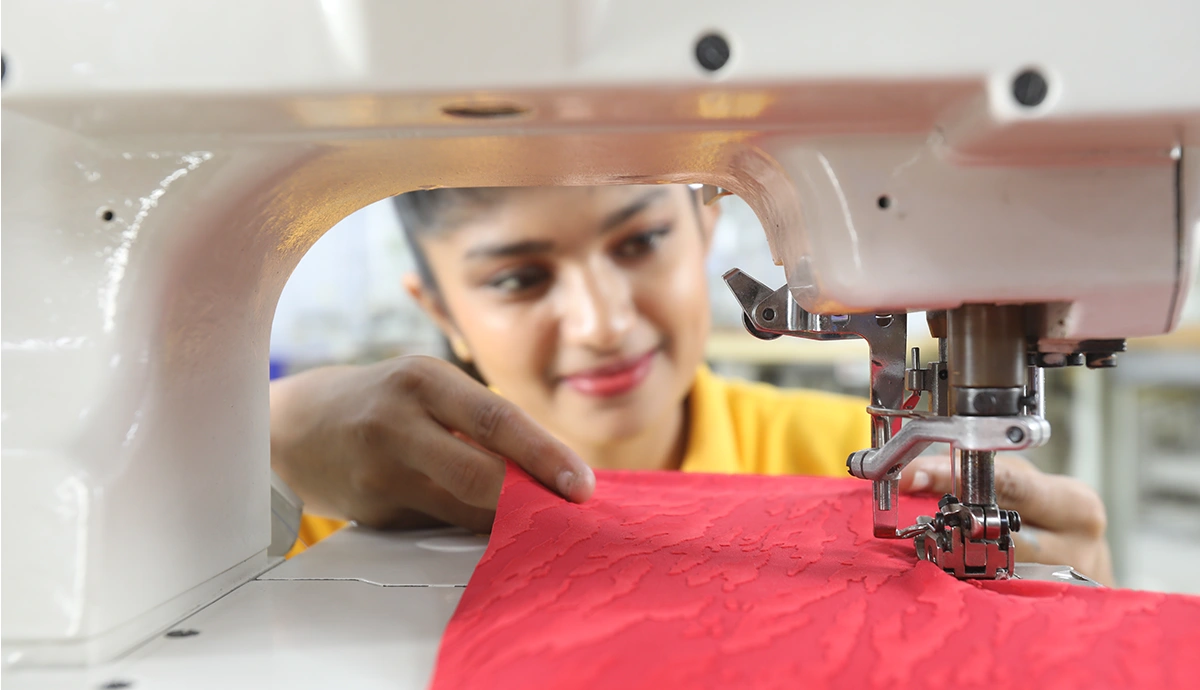
A Safer Tomorrow: Cultivating a National Safety Culture from the Ground Up
The challenge
As Sri Lanka’s economy evolves and returns to growth in the post-economic-crisis era, the manufacturing and industrial sectors will play a significant role in creating jobs, bolstering export competitiveness, and sustaining economic momentum. However, despite ongoing efforts, preventable workplace accidents and injuries are still common – leading to losses in productivity, increased healthcare costs, and diminished quality of life for workers and their families. Additionally, Sri Lanka has the worst road fatality rate in South Asia, indicating a pervasive lack of awareness that impacts the nation’s human capital and economic progress.
In this climate, there is a dire need to instill a strong safety culture in Sri Lanka’s younger generation; in order to empower them and create a ripple effect of positive safety practices within families and communities.
The initiative
In a pioneering collaboration, MAS Kreeda partnered with the National Institute of Occupational Safety and Health (NIOSH) Sri Lanka to launch “A Safer Tomorrow” – a long-term national-level school safety programme. This initiative aims to cultivate safety consciousness from an early age, empowering students to prioritise their wellbeing and advocate for safety within their schools, homes, communities, and future workplaces.
The programme adopts a structured five-level framework, progressively equipping students with safety knowledge, skills, and practical experience. A core element is the Safety Champion Development Programme, where committed students are formally inducted and empowered to take on leadership roles. These Safety Champions guide their peers, organise safety events, and receive ongoing advanced training in hazard identification, risk assessment, and emergency response. The programme also extends beyond the classroom; encouraging Safety Champions to involve their families and communities in safety initiatives.
Early success and expansion
Launched in 2024, the programme has been successfully implemented in six schools across Sri Lanka, with success of the project seeing the model replicated at three schools in Jordan. Apart from the immediate benefits – such as increased safety awareness, a more organised approach to accident-prevention, and creation of peer-to-peer safety networks within participating schools; the project aspires to develop a generation of safety-conscious leaders who will champion safety in all aspects of life. By inculcating a far-reaching safety culture, the project expects to improve safety outcomes for entire communities – and ultimately contribute to a lasting reduction in workplace incidents and public accidents.
MAS Eco Go Beyond
The MAS Eco Go Beyond continued for its 18th year, as part of the Company’s long-term commitment to uplift sustainability education in Sri Lanka. In 2024, MAS continued collaboration with 29 schools, for the second consecutive year, and saw implementation of 51 new student-driven projects.
| New trees planted | 640,469 |
| Green cover increased (sqm) | 14,709,833.40 |
| Compost generated (kg) | 31,140 |
| Plastic collected for recycling (kg) | 59,517 |
| Glass collected for recycling (kg) | 30,687 |
| Paper collected for recycling (kg) | 45,840 |
| Iron collected for reuse (kg) | 2,500 |
| Generated harvesting from nutritious cultivation (kg) | 11,476 |
| Number of awareness programme conducted | 3,478 |
| 5-S programmes implemented | 2,850 |
| Trees distributed | 92,551 |
| Awareness campaigns on Persons with Disabilities (PWDs) conducted | 13,613 |
| Awareness campaigns for households conducted | 314,626 |
| Student-led projects initiated | 51 |
| Students impacted | 320,643 |
| Schools involved | 29 |
MAS EGB encourages students to implement projects covering a range of topics, such as:
- Eco system restoration – Enhancement of Biodiversity (Conservation, Butterfly Gardens, Birds attraction) and Green Cover Enhancement/Tree Plantation/Afforestation
- Waste Management (Biodegradable Waste and Non-biodegradable Waste)
- Food systems – SMART Agriculture/Organic farming/Sustainable Cultivation
- Water Conservation and Management
- Energy Conservation and Management
- Sustainable Lifestyle (Environmental responsible tours and trips, environmentally friendly decoration, Responsible consumerism)
- Inclusivity – Multiculture promotion, disability inclusion – Adaptive solutions/process/practices, Gender Equity
Upon project completion, a comprehensive evaluation assesses impact, effectiveness, and long-term viability. A crucial element of EGB’s success is its continuous feedback loop, ensuring projects remain aligned with objectives and continuously improve. Outstanding students and projects are recognised, motivating participants and fostering a broader shift towards sustainability.
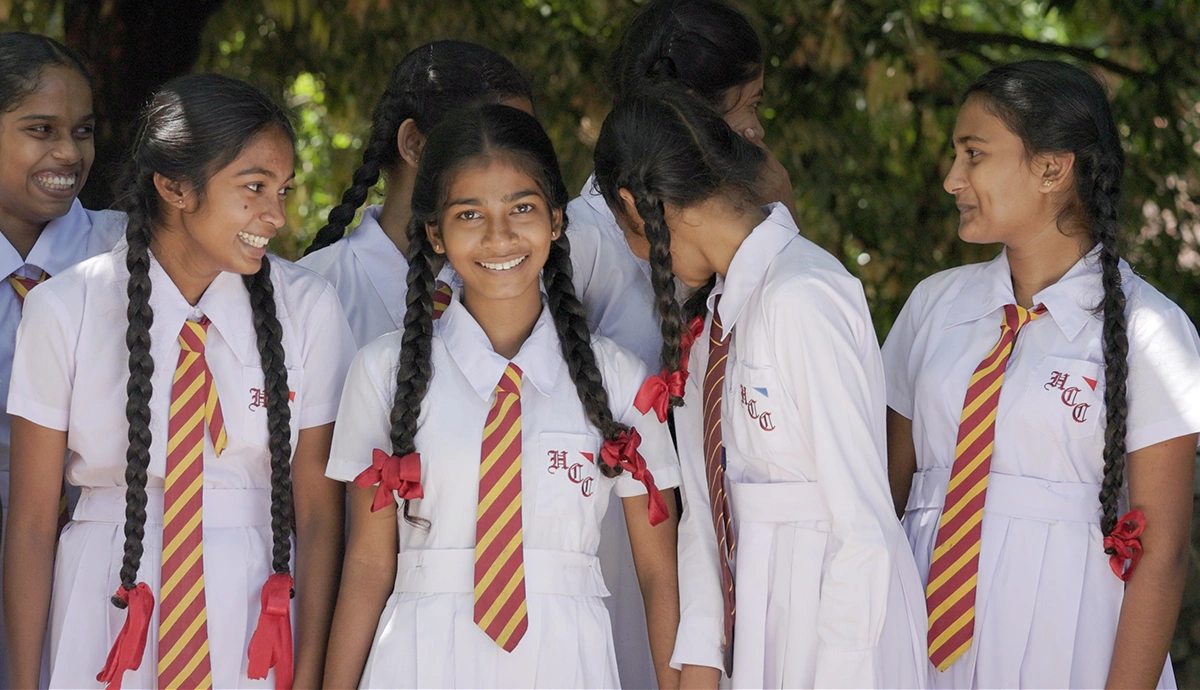
MAS EGB First Place Winner 2024
Ecosystem Restoration
Rashmila Lasangi
Uduwa Kanishta Vidyalaya, Horana
As the first-place winner of the MAS Eco Go Beyond Schools Programme, Rashmila Lasangi spearheaded an outstanding ecosystem restoration project with wide-reaching environmental and educational benefits. Her initiative began with the creation of a mini protected forest within her school, featuring 190 plants from 72 rare and endangered species identified through the IUCN Red List. To promote awareness and learning, she introduced informative name boards with QR codes, allowing students and visitors to access detailed information about each plant species. Beyond her school grounds, Rashmila extended her restoration work to the Dikhena forest patch, enriching its biodiversity by planting rare native species. This site now functions as a valuable green space that supports oxygen generation, soil conservation, and immersive learning opportunities for students. Tackling larger-scale environmental issues, Rashmila led a significant riverbank protection effort along the Kalu Ganga River, an area affected by flooding and erosion.
She planted over 10,000 Mee, Kumbuk, and Bamboo trees, helping to stabilise riverbanks and safeguard local riverine ecosystems. This initiative was carried out in collaboration with the Water Board. To date, Rashmila has contributed over 20,000 plants to the environment, building a strong community of young environmental stewards and setting a benchmark for youth-led sustainability action.
MAS EGB Second Place Winner 2024
Ecosystem Restoration
Hashin Lakshan
Bellana National College, Agalawatta
Hashin Lakshan implemented a high-impact ecosystem restoration project within the Kalutara District and beyond. His work addressed critical environmental challenges through practical, community-focused solutions. To mitigate landslide risk in the disaster-prone area of Pahiyangala, Hashin cultivated and planted over 8,000 saplings, enhancing soil stability and reinforcing slope integrity. Additionally, he restored a land area in Galgamuwa previously known for frequent train-elephant collisions transforming it into a suitable habitat for elephants.
He also took on the conservation of the critically endangered Wesak Flower (Dendrobium maccarthae), partnering with a tissue culture facility in Baduraliya. Through this collaboration, he successfully propagated 200,000 orchid saplings, supporting species recovery and biodiversity conservation. Recognising the importance of preserving water resources, Hashin initiated a riverbank restoration project along 33 km of the Maguru River. He planted 14,000 Kumbuk trees and 700 Betel Nut trees to combat erosion, enhance water quality, and restore the riparian ecosystem. In addition to environmental restoration, his project supported education infrastructure through the construction of an outdoor classroom, creating a nature-integrated learning space for students. Collectively, Hashin’s projects contributed to the restoration of over 45,000 plants and engaged multiple stakeholders, demonstrating measurable environmental impact with long-term community benefits.
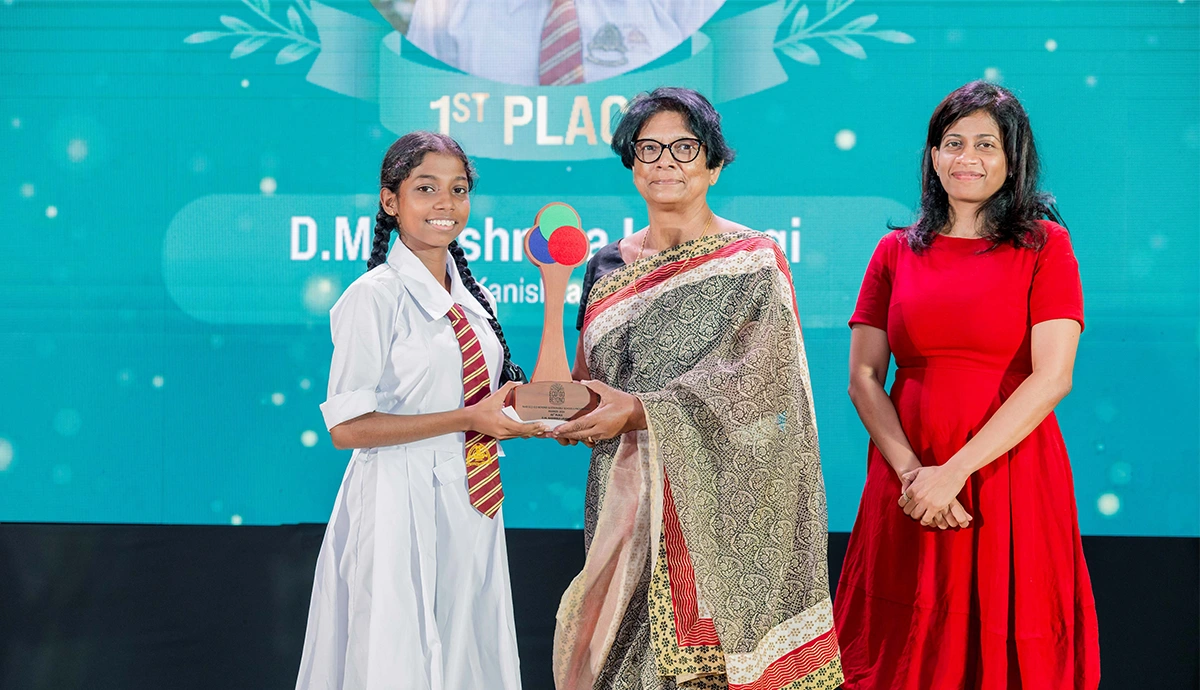
MAS EGB Third Place Winner 2024
Ecosystem Restoration
Asindu Navodya
Sri Gnanodaya Central College, Divulapitiya
Asindu led a transformative ecosystem restoration project through the support of Linea Aqua Naiwala. His work was grounded in reforestation, climate action, waste management, and food security; combining ecological impact with strong community engagement. Asindu planted over 22,000 tree saplings, including Kumbuk, Mee, and fruit trees, across multiple areas. He also collaborated with a Turtle Conservation Project to launch a 10,000-plant mangrove restoration initiative, reinforcing coastal ecosystems. Based on scientific projections, these trees are expected to absorb 80 metric tonnes of carbon dioxide over 20 years. His sub-project on waste management led to the recycling of over 1,156 kg of biodegradable and non-biodegradable waste, through a structured system based on 3R principles. This was paired with awareness campaigns that built lasting behavior-change within households and schools.
Under the theme of sustainable food systems, Asindu introduced hydroponics and vertical gardening, cultivating over 53,000 vegetable plants (chillies, tomatoes, and brinjals), while also enabling home-based livelihoods in nine Grama Niladhari divisions. With over 76,000 plants contributed and a student-led team in place to sustain his work, Asindu’s projects reflect deep impact, empowerment, and long-term sustainability.
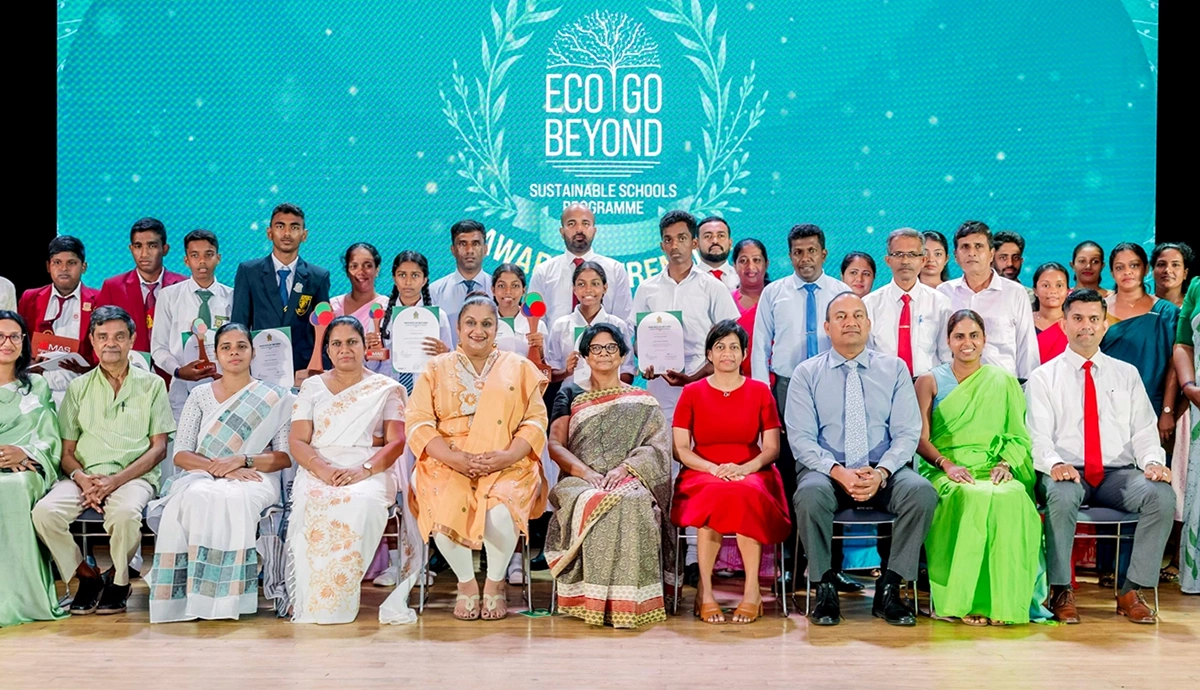
MAS Girls in STEM
The MAS Girls in STEM programme ignites a passion for Science, Technology, Engineering, and Mathematics (STEM) careers amongst young women.
To address the limited availability of advanced science, technology, engineering, and mathematics (STEM) education in Sri Lanka, where only 10% of schools offer it, and to expand scarce opportunities for women in these fields, MAS is taking action. Our goal is to empower girls to challenge stereotypes and thrive in these male-dominated arenas.
Launched in 2022, the MAS Girls in STEM programme aims to spark a passion for STEM careers among young women. This initiative empowers female students pursuing science at A-level by providing practical learning experiences, valuable networking opportunities, and exposure to inspiring female role models in STEM fields.
The programme explores cutting-edge topics such as FemTech, wearable technology, aeronautics, data analytics, biotechnology, and artificial intelligence. To make learning dynamic and interactive, we incorporate engaging activities like quizzes, presentations, and hands-on sessions. We also established a network of female role models, mentors, and like-minded peers to offer guidance and support.
In 2024, the MAS Girls in STEM initiative was recognised amongst the Best Sustainability Projects at the Best Corporate Citizen Sustainability Awards, organised by The Ceylon Chamber of Commerce.
In 2024, the programme completed its third year, engaging 100 aspiring students from 10 leading girls’ schools across Sri Lanka. Over a period of 10 months, students explored seven dynamic modules Wearable Technology, FemTech, GamerTech, WaveTech, Digital Product Creation, and Machine Build. While much of the learning took place through online modules, students also participated in an in-person experiential day, which offered them hands-on exposure to STEM subjects and the opportunity to develop innovative solutions to real-world FemTech challenges.
- Bishop’s College, Colombo 03
- Holy Family Convent, Bambalapitiya
- Ladies College, Colombo 07
- Methodist College, Colombo 03
- Musaeus College, Colombo 07
- Muslim Ladies’ College
- Saiva Mangaiyar Vidyalayam
- Sirimavo Bandaranaike Vidyalaya
- St. Bridget’s Convent
- Visakha Vidyalaya
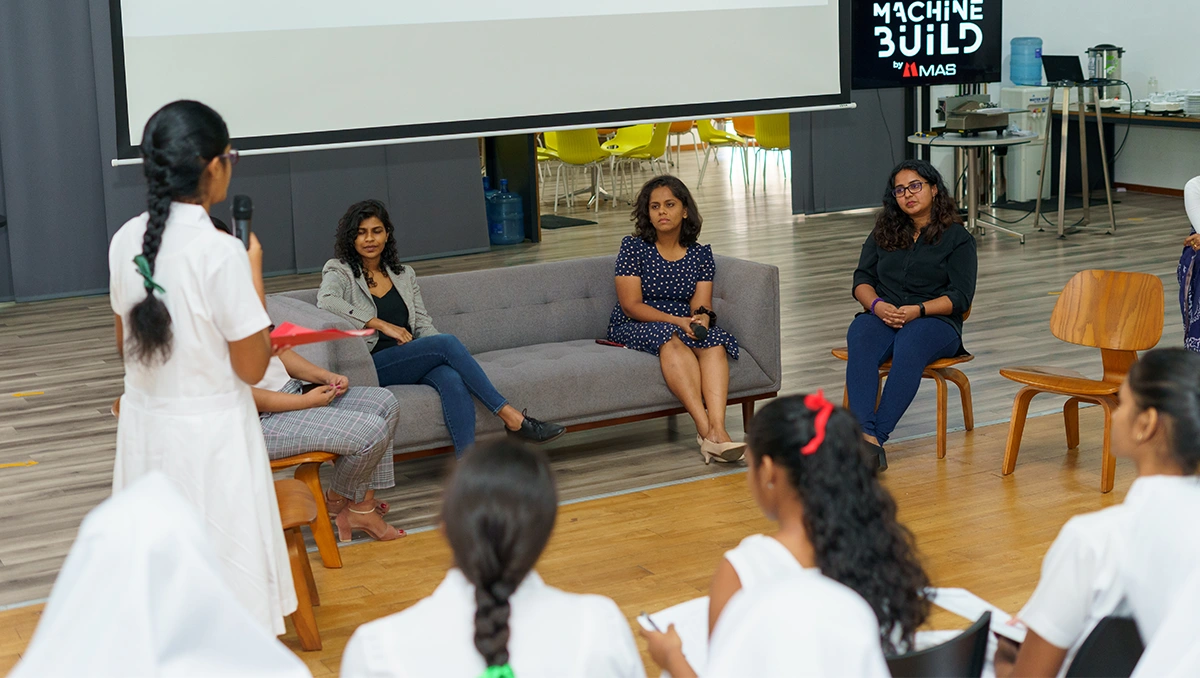
“I started my journey at MAS in 2020 as a staff member, and by 2024, I was promoted to Executive – Quality Assurance. Progress in my career has been made possible thanks to the continuous support and opportunities provided to me by MAS. I feel incredibly fortunate to have participated in various training programmes, including 8-Step Training, Power BI Training, Fabric Training, Lacoste Training, and important courses that polished my knowledge and practice of English, IT, Dress-Making, and Lean Six Sigma Green Belt.
These programmes and courses have equipped me with the skills and knowledge to become a qualified trainer in Quality Assurance for other team members at Asialine. I am deeply grateful for the growth these opportunities have provided, and I am committed to working hard and continuing to be a positive role model for others. I look forward to advancing further in my career and making a meaningful impact at MAS”.
Dinushika Hasarangi
Executive (Quality Assurance), Asialine – Active